What It Means to Build an App with Bubble
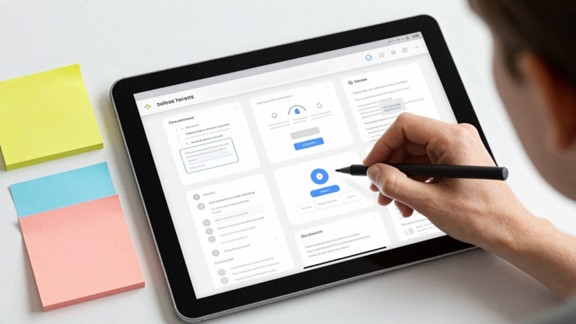
Building an app with Bubble is different from traditional coding. Instead of writing lines of code, you use a visual editor. This means you can create an app by dragging and dropping elements onto a page and defining how they behave. It’s about assembling the pieces of your app visually. Bubble allows individuals to build complex applications without needing to know how to code. This approach democratizes app creation, making it accessible to a wider range of people. The core idea is to translate your app idea into a functional product using a visual interface.
Think of it like building with digital LEGOs. You have different blocks (elements) and instructions (workflows) that tell them what to do. This makes the process more intuitive, especially for those new to app development. The platform handles the underlying code, so you can focus on the logic and design of your application. This is a significant shift from traditional development where coding is the primary skill.
Essentially, building an app in Bubble involves setting up a database to store information, designing a user interface for interaction, and creating workflows to make the app respond to user actions. It’s a holistic process where design and functionality are intertwined. The goal is to make your app useful and easy for people to use. This visual approach to app building is what sets Bubble apart.
The Fundamental Building Blocks: Data, Design, and Workflows
At its heart, any app, whether built with Bubble or traditional code, relies on three main components: data, design, and workflows. Understanding these is key to grasping how Bubble works. Data is the information your app will store and manage. Design is how your app looks and how users interact with it. Workflows are the actions that happen when a user interacts with your app.
Data in Bubble is managed through a system that’s similar to spreadsheets. You define different types of data (like ‘Users’ or ‘Products’) and then specify the information each type will hold (like ‘name’, ’email’, or ‘price’). This structured approach to data is crucial for organizing information effectively. Without well-organized data, your app won’t be able to function correctly.
Design involves placing elements like buttons, text fields, and images onto your app’s pages. Workflows connect these design elements to actions. For example, clicking a ‘Submit’ button (a design element) might trigger a workflow that saves the information from a form (data) into your database. This interplay between data, design, and workflows is the engine of your Bubble application.
Demystifying Bubble’s Core Terminology
Bubble uses specific terms that might seem new at first, but they quickly become familiar as you start building. Knowing these terms helps you understand tutorials and communicate with other Bubble users. Some common terms include ‘Elements’, ‘Workflows’, and ‘Things’. Elements are the visual components you see on your app’s screen, like buttons or input boxes. Workflows are the sequences of actions that make your app do things.
‘Things’ is Bubble’s term for data entries in your database. So, if you have a list of users, each user is a ‘thing’. Understanding this terminology is like learning the alphabet before you can read. It makes the entire process of learning and building much smoother. Don’t worry if it feels like a lot initially; the platform itself uses these terms consistently, helping you learn them naturally.
The Bubble platform is designed to make complex app development accessible. By using visual tools and intuitive terminology, it lowers the barrier to entry for aspiring app creators. The focus is on enabling users to bring their ideas to life through a structured, yet flexible, building process. This approach allows for rapid development and iteration.
Here’s a quick look at some key terms:
- Elements: Buttons, text, images, input fields – anything you see on the screen.
- Workflows: The step-by-step actions that happen when a user interacts with your app.
- Things: Individual data records in your app’s database (e.g., a specific user, a product).
- Database: Where all your app’s information is stored and organized.
Planning and Designing Your First Bubble Application
Defining Your App’s Core Functionalities
Before diving into the Bubble editor, it’s smart to map out what your app will actually do. Think about the main problems it solves for users. What are the absolute must-have features? Trying to build everything at once is a recipe for getting stuck. Focus on the core purpose. This means listing out the key actions a user will take. For example, if it’s a task management app, the core functionalities might be creating a task, marking it complete, and viewing a list of tasks. Keep this list short and focused for your first app. This initial planning is key to a successful Bubble app.
Visualizing User Journeys with Wireframes
Once you know what your app does, you need to think about how users will interact with it. This is where wireframes come in. Don’t worry about making them look pretty; simple sketches on paper or using a basic digital tool are fine. The goal is to map out the screens and how users move between them. Think about the flow: where does a user click to create a new item? What happens when they submit a form? Visualizing these user journeys helps catch potential issues early. This step is super important for planning your Bubble app effectively.
Prioritizing User Experience in Design
Building an app isn’t just about making it work; it’s about making it easy and pleasant to use. Consider your target audience. What are their expectations? A clean, intuitive design makes a big difference. Think about how information is presented. Is it easy to find what you’re looking for? Bubble’s drag-and-drop editor makes design accessible, but good design principles still apply. Simple layouts, clear calls to action, and consistent styling contribute to a positive user experience. Remember, a great user experience keeps people coming back to your app.
Navigating the Bubble Platform and Learning Resources
Getting started with Bubble can feel like stepping into a new workshop. The platform offers a structured way to learn its tools, making the process less daunting for first-time builders. Bubble’s interactive lessons are designed to guide users through the core functionalities.
Getting Started with Bubble’s Interactive Lessons
When you first sign up, Bubble presents a quick questionnaire. This helps tailor the initial learning path, pointing you toward the most relevant video tutorials. These lessons are short, usually between two and seven minutes, and cover essential aspects of the Bubble app builder. They aim to get you building quickly. Some lessons even include a “hard mode” challenge, pushing you to apply what you’ve learned without direct guidance. Completing these lessons can set you up to start building your first app in under an hour.
Utilizing Templates and Plugins for Faster Development
Bubble provides a marketplace filled with ready-made templates. These can give your app a head start, offering pre-built designs and basic structures. Think of them as starting points rather than finished products. Beyond templates, there’s a vast library of plugins. Plugins extend Bubble’s capabilities, allowing you to add features like payment processing, social media integrations, or advanced search functions without needing to build them from scratch. Using templates and plugins can significantly speed up your development time, especially when you’re just starting out.
Leveraging the Bubble Community for Support
Building an app can bring up questions, and that’s where the Bubble community shines. The platform has a large, active forum where users help each other out. You can find answers to common problems, get feedback on your designs, and even connect with other builders. This network is a great resource, especially when you encounter a roadblock. Many experienced users are willing to share their knowledge, making the learning curve feel less steep. The Bubble community is a key part of the platform’s appeal.
Remember that the Bubble platform is constantly evolving. Staying updated with new features and best practices through the community and official resources is a good habit to develop.
Estimating Development Time: How Long Does It Take to Build an App in Bubble?
Factors Influencing Development Duration
Building an app in Bubble isn’t a one-size-fits-all timeline. Several things play a big role. The complexity of your app is a major factor. A simple directory app will take less time than a social network with user profiles and real-time chat. Also, how familiar you are with Bubble itself matters a lot. If you’re new, expect a steeper learning curve.
Think about the features you absolutely need. Are you building a minimum viable product (MVP) or a fully-featured application from day one? The more features, the more time it takes. Integrations with other services, like payment gateways or email providers, also add to the development time.
The more defined your app’s requirements are upfront, the more accurate your time estimate will be. This includes understanding your data structure and user flows before you even start building. Creator Concepts works with founders and businesses on Bubble app launches, fixes, and security improvements, so the answer to How long does it take to build an app in Bubble? often depends on how clearly the project scope, data structure, and user flows are mapped before development begins.
Time Investment for Simple vs. Complex Applications
For a simple application, like a basic landing page or a small internal tool, you might be looking at a few days to a couple of weeks. This assumes you have a clear idea and are comfortable with Bubble’s basics. These apps often involve straightforward data structures and limited user interactions.
Complex applications, such as marketplaces, SaaS platforms, or apps with intricate logic and multiple user roles, can take anywhere from several weeks to several months. This includes time for detailed planning, building out the database, creating sophisticated workflows, and thorough testing.
Here’s a rough idea:
| App Complexity | Estimated Timeframe | |
| Simple (e.g., landing page, basic directory) | 1-3 Weeks | |
| Medium (e.g., simple e-commerce, booking app) | 4-8 Weeks | |
| Complex (e.g., social network, SaaS platform) | 2-6+ Months |
The Role of Learning Curve in Project Timelines
Bubble is designed to be accessible, but there’s still a learning curve, especially for complex projects. If you’re starting from scratch, dedicating time to Bubble’s tutorials and community resources is key. This initial learning phase can add weeks to your project timeline.
However, the platform’s visual editor and drag-and-drop interface speed things up considerably compared to traditional coding. For those who invest time in learning, the development process becomes much faster.
The time spent learning Bubble upfront pays dividends later in faster development cycles and easier iteration. Don’t skip this step if you want to build efficiently.
Key Features and Capabilities of the Bubble Platform
The Power of the Visual Editor and Drag-and-Drop Interface
Bubble’s visual editor is a game-changer for app development. It lets you build your app’s look and feel without touching a single line of code. Think of it like digital building blocks. You drag elements onto the screen – buttons, text boxes, images – and arrange them exactly how you want. This drag-and-drop approach makes designing an app feel more like creating a presentation than writing complex code. It’s incredibly intuitive, allowing for rapid prototyping and design iteration. The visual editor is central to how Bubble works, making it accessible even for those with no prior coding experience.
Database Management and Workflow Automation Without Code
Beyond just looks, Bubble lets you manage your app’s data and logic without code. You can set up databases to store user information, product details, or anything else your app needs. Then, you define workflows – the actions your app takes. For example, when a user clicks a button, what happens next? Does it save data? Does it send an email? Bubble handles this through a visual workflow editor. This means you can build complex functionalities, like user sign-ups or processing orders, all through a series of connected steps. This ability to automate processes without coding is a core strength of the Bubble platform.
Integrating External Services and APIs
Your app doesn’t have to live in a vacuum. Bubble makes it easy to connect to other services you might already use or need. Want to process payments? Connect to Stripe. Need to show a map? Integrate with Google Maps. Bubble supports integrations with a vast array of external services and APIs. This means you can add advanced features to your application without building them from scratch. This extensibility is key to creating powerful, real-world applications. Whether it’s pulling data from another service or sending information out, Bubble’s integration capabilities are robust and straightforward to implement.
Scaling and Advanced Considerations for Bubble Apps
Handling Complex Operations with Server-Side Workflows
When an app grows, some tasks just can’t be done on the user’s browser anymore. That’s where server-side workflows come in. These run on Bubble’s servers, meaning they can handle more heavy lifting, like processing large amounts of data or performing actions that need to be secure. Think of it as having a dedicated assistant working behind the scenes. This is key for scaling your application effectively.
Server-side workflows are great for tasks that might take a while or involve sensitive information. They don’t freeze up the user’s screen, making the app feel much smoother. For example, sending out a bulk email or running a complex report can all be managed here. It’s a smart way to keep your app responsive even when it’s doing a lot.
It’s important to use server-side workflows judiciously. Overusing them for simple tasks can add unnecessary complexity. However, for anything that requires significant processing power or security, they are an indispensable tool for building robust Bubble applications.
Strategies for Performance Tuning and Scalability
Making your Bubble app fast and able to handle lots of users is a big deal. It’s not just about adding more features; it’s about making sure the app doesn’t slow down as it gets popular. This involves looking at how your data is set up and how your workflows are built. Good scalability means your app can grow without breaking.
Here are a few ways to keep things running smoothly:
- Optimize Database Queries: Make sure you’re only pulling the data you need. Avoid loading entire lists when you only need a few items.
- Use Caching Wisely: Bubble uses a content delivery network (CDN) for images and files, which helps a lot. For data, think about how often it needs to be updated.
- Break Down Large Workflows: If a workflow is doing too much, split it into smaller, more manageable steps, possibly using server-side workflows.
Performance tuning isn’t a one-time fix. It’s an ongoing process. Regularly checking your app’s speed and making adjustments will pay off as your user base grows.
When to Consider Working with an Experienced Bubble Developer
While Bubble makes app building accessible, some projects reach a point where outside help makes sense. If your app is becoming very complex, or if you’re hitting performance limits, an experienced Bubble developer can be a game-changer. They’ve seen a lot and know the common pitfalls.
An expert can help with things like setting up advanced integrations, optimizing your database structure for massive amounts of data, or even building custom plugins if needed. They can also help you plan for future growth, making sure your app is built on a solid foundation from the start. This is especially true when you’re looking at serious scalability.
Ultimately, bringing in an experienced Bubble developer can save you time, money, and a lot of headaches. They can help you avoid costly mistakes and ensure your application is built to last, allowing you to focus on growing your business rather than getting bogged down in technical details.
Wrapping Up Your Bubble App Building Journey
So, you’ve explored what goes into building your first app with Bubble. It’s clear that while the platform removes the need for traditional coding, it still requires a thoughtful approach. You’ll need to plan your database, design a user-friendly interface, and set up workflows to make things happen. Remember, most apps start simple and grow over time. Don’t get discouraged if your first attempt isn’t perfect. Bubble offers plenty of resources, from short video lessons to a helpful community, to guide you. For more complex projects, consider that working with an experienced Bubble developer can save time and prevent common mistakes. Ultimately, Bubble provides a powerful way to bring your app ideas to life without the massive costs of traditional development, but it does demand your time and effort to get it right.