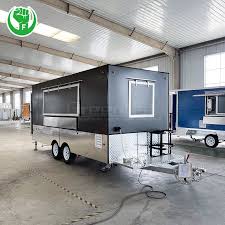
Vending trailers are a great choice if you’re looking to sell food, drinks, or merchandise directly to customers and want to be able to set up quickly and without the commitment and cost of signing a long-term lease. Here’s what makes them so effective for small businesses.
Vending Trailers and the Modern Small Business
The greatest strength of mobile vending is the way it gives owners flexibility that no brick-and-mortar store can ever match. You can follow crowds to events, test out new locations, and adjust your working hours based on customer demand or your preferences. Many operators start part-time this way and grow into full businesses once they get steady sales. Some even transition to brick-and-mortar once they’ve got the brand recognition.
Choosing Your Trailer
Keep it practical, and make a list of what you’ll need before you go shopping. A well-built unit can include built-in refrigeration, generators, hand-washing sinks, and storage of all kinds. Trailers usually cost less to buy and insure than a full truck, and they are easier to store when not in use. Most are of a size that you’ll just need a regular pickup or SUV to pull them rather than a commercial vehicle. This simplifies things, since lots of states will make you get a special driver’s license if you’re driving a full-on food truck.
Regulations and Permits You Will Need
Every state, and most cities, requires you to get specific approvals before you can sell food or goods from a trailer. You will almost always need a business license, a health department permit for the unit itself, and proof that anyone handling food has completed a food safety course. Some places require a plan review of your trailer layout before they’ll issue a permit, while others will inspect the finished unit at your commissary or storage yard.
The U.S. Food and Drug Administration offers basic information on mobile food safety, and this is a good starting point because many local health departments follow FDA guidance. The other big issue will be parking or operating permits. Many cities will limit the number of mobile vendors allowed to set up in popular districts, so even if you haven’t gotten your trailer yet, if you’re in the process, it’s likely worth getting that permit now.
Choosing the Right Size and Layout
Trailers come in lots of different lengths, so consider your needs. Shorter units are great if you have a simple menu or are doing limited merchandise sales. Longer ones obviously give you more room for griddles, fryers, refrigerators, and multiple staff. If you’re going to need a smoker or a hood system for grease, you must include proper ventilation and fire-suppression equipment. Generators, water tanks, and waste tanks will all determine how long you can operate away from hookups, so you’ll need a baseline estimate of how much power, water, and waste space you’ll need based on the menu you’ll be serving. For detailed information on building a trailer that matches your exact menu and branding needs, click here to learn more.
Vending trailers give entrepreneurs a practical, lower-cost way to test and grow a sales business. With the right planning, permits, and equipment, many people have successfully turned a weekend side hustle into a stable, rewarding business, and you could be next!