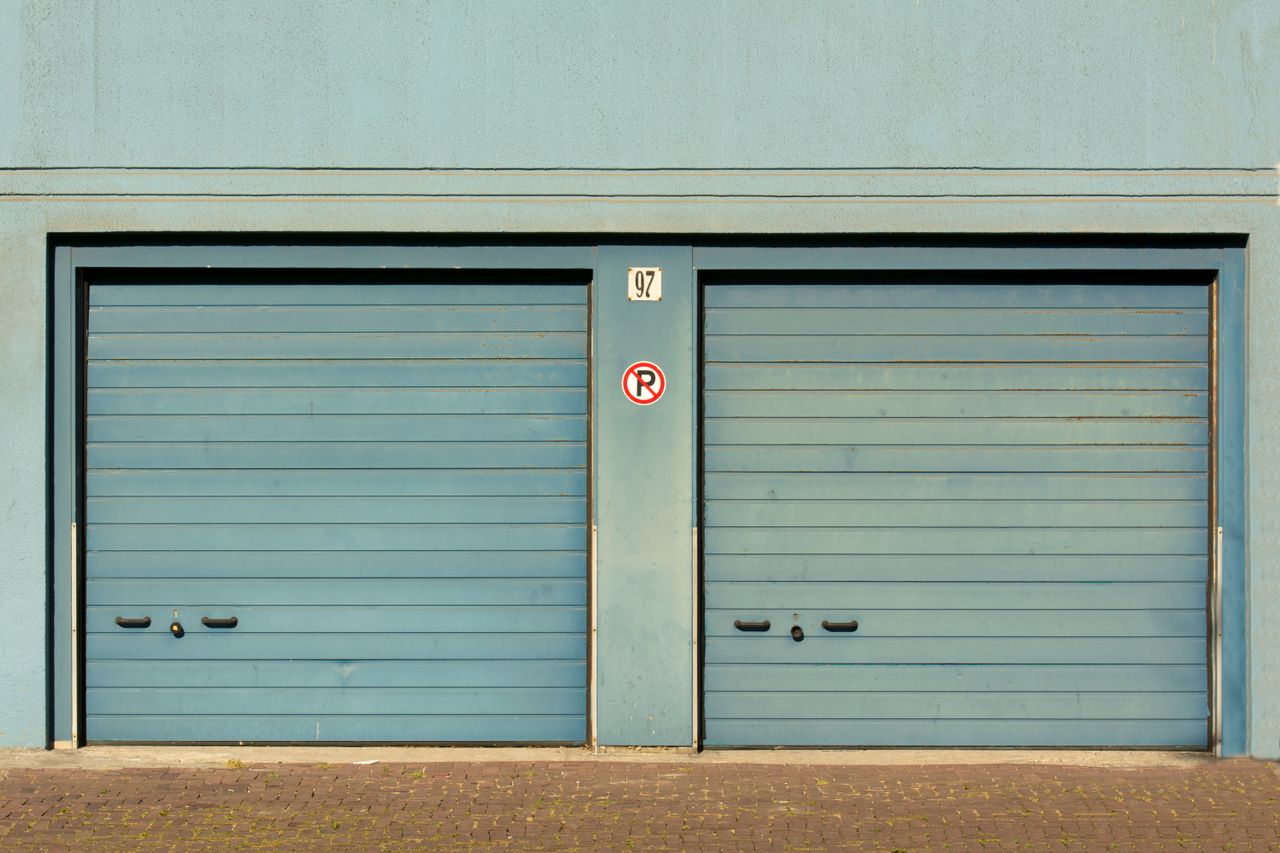
A garage door rarely stops working without giving a few warnings first. The challenge is recognizing those early signals before a minor inconvenience turns into a complete breakdown. When the door becomes noisy, uneven, slow, or difficult to control, it may be time to contact El Paso Garage Door Repair for a professional assessment rather than hoping the issue disappears on its own. A timely response can help protect the door, the opener, the surrounding hardware, and the people who use the garage every day.
Most homeowners use their garage door more often than they realize. It opens during busy mornings, closes after long days, and protects vehicles, tools, storage, and access to the home. Because the system usually works quietly in the background, small changes can be easy to overlook. Paying attention to how the door sounds, moves, and responds is one of the simplest ways to catch trouble early.
The Door Feels Heavier Than It Should
A properly balanced garage door should move with controlled, steady motion. When it suddenly feels unusually heavy or seems to struggle during operation, the lifting system may no longer be doing its job correctly.
Why Extra Weight Is a Warning
The door itself has not suddenly gained weight. Instead, a spring, cable, roller, or related component may be worn, loose, or damaged. The opener can sometimes keep forcing the door to move, which may hide the real problem for a while. That extra strain can place unnecessary pressure on the motor and other moving parts.
Avoid trying to lift or adjust a heavy door without the right training. Garage door systems operate under significant tension, and a repair that looks simple from the outside can involve serious risk. A professional can inspect the balance of the door, identify the failing component, and recommend the safest next step.
Strange Sounds Are More Than Background Noise
Garage doors are not completely silent, but they should not produce sudden grinding, scraping, banging, popping, or squealing sounds. A new noise is often the system’s way of showing that something has changed.
Listen for Changes in the Usual Rhythm
Grinding may point to worn rollers or metal components rubbing where they should not. Squealing can appear when moving parts need attention, while banging may signal loose hardware or a problem with the lifting system. Even a soft rattling sound can matter if it becomes louder over time.
Not every noise means the entire door needs replacement. In many cases, an inspection and focused repair can restore smoother operation. The important part is not waiting until the sound becomes impossible to ignore.
Slow Movement Can Signal Growing Strain
A door that pauses, hesitates, or moves more slowly than usual may still complete its cycle, but that does not mean everything is working properly. Reduced speed often develops gradually, making it easy to accept as normal.
Watch the Full Opening and Closing Cycle
Stand at a safe distance and observe the door from start to finish. Notice whether it moves smoothly, jerks in certain spots, or pauses before responding. A delay between pressing the control and seeing movement may involve the opener, the controls, or the door mechanism itself.
Reliable service information can also help homeowners understand the difference between a minor adjustment and a more involved repair. One useful reference is http://www.mammothdoor.com/, especially when comparing general garage door options and professional service considerations.
If the door continues to slow down, stop using it repeatedly to test the problem. Repeated operation can increase wear when a component is already struggling.
The Opener Is Not Always the Real Problem
When a garage door refuses to move, many people immediately blame the opener. Sometimes that is correct, but the opener is only one part of a larger system.
Check the Simple Possibilities First
A dead remote battery, interrupted power supply, blocked sensor, or disconnected control can prevent normal operation. These quick checks may solve a basic problem without further work. However, if the opener runs while the door barely moves, the issue may be mechanical rather than electrical.
A professional assessment can separate opener trouble from spring, track, cable, or balance problems. This matters because replacing an opener will not fix a door that cannot move safely on its own.
Uneven Movement Should Never Be Ignored
A garage door should remain level as it travels along the tracks. If one side rises faster, hangs lower, or appears tilted, stop and take the change seriously.
A Crooked Door Can Become Unstable
Uneven movement may be connected to a cable problem, damaged track, worn roller, or imbalance in the lifting system. Continuing to operate the door can cause it to bind, leave the tracks, or place additional stress on connected parts.
Do not attempt to push the door back into place while it is under tension. Keep people, pets, and vehicles away from the opening until the system can be inspected. A controlled repair is far safer than trying to force a misaligned door through another cycle.
Safety Features Need Regular Attention
Modern garage doors rely on safety features designed to reduce the chance of the door closing on a person, pet, vehicle, or object. These features deserve attention even when the door seems to be operating normally.
Sensors Must Stay Clear and Aligned
Photo-eye sensors are usually positioned near the bottom of the tracks. Dirt, stored items, accidental bumps, or alignment issues can interrupt their signal. When this happens, the door may refuse to close or may reverse unexpectedly.
Keep the area around the sensors clear and gently remove visible dust. If the problem continues, avoid bypassing the safety system. A technician can determine whether the sensors need adjustment, wiring work, or replacement.
Repair or Replacement Depends on the Whole System
One damaged part does not automatically mean a new door is necessary. At the same time, repeatedly repairing an aging system may not always be the most practical choice.
Look Beyond the Immediate Problem
The decision should consider the door’s condition, repair history, safety, appearance, energy performance, and compatibility with the opener. A newer door with one worn component may be an excellent repair candidate. A heavily damaged door with recurring problems may justify discussing replacement.
A trustworthy recommendation should explain the available options without pressure. Homeowners should understand what failed, why it failed, what the repair involves, and whether additional problems are likely to appear soon.
Give Small Problems a Short Life
Garage door trouble becomes more disruptive when it is ignored. A strange sound can become a stuck door. A slight tilt can turn into a serious alignment issue. A slow response can eventually leave a vehicle trapped inside or the garage unsecured.
The best approach is simple: notice changes, avoid risky do-it-yourself adjustments, and arrange professional help before the system fails completely. A well-maintained garage door should feel dependable, controlled, and easy to use. Giving it attention at the first sign of trouble can help restore that confidence and keep one of the home’s hardest-working systems moving safely.