Furniture shopping usually starts with style, but the better decisions come from thinking about how a room actually gets used. Comfort, durability, size, and budget matter just as much as color or design, especially for furniture that has to handle everyday life.
In Tennessee, those choices affect a large housing market. The state had about 3.29 million housing units in 2025, and 66.9% of occupied homes were owner-occupied during 2020–2024. The average household had 2.45 people, according to the U.S. Census Bureau. U.S. households also spent an average of $2,414 on household furnishings and equipment in 2024, based on Bureau of Labor Statistics data.
That makes it worth looking beyond appearance alone. A good living room setup should fit the space, suit your routine, and hold up through guests, pets, movie nights, and the occasional snack disaster.
Start With How You Actually Use Your Living Room
Before you look at fabric swatches or sectional layouts, take a hard look at how your living room functions day to day. Some people use it as a formal sitting area twice a year. You probably don’t. For most homes, it’s a TV zone, nap station, homework spot, and catch-all for daily life.
Make a quick list of what happens there most often:
– Watching shows or sports
– Hosting friends or family
– Reading or gaming
– Letting kids spread out
– Giving pets their unofficial throne
That list helps you choose pieces with purpose. A deep sofa may be perfect for lounging but awkward for a room built around conversation. A sleek accent chair can look great online and still feel like punishment after ten minutes. Comfort has receipts.
Match Furniture Style to the Home You Have
You don’t need to force one design trend across every room. A better move is choosing furniture that fits the architecture and mood of your home. In Tennessee, that might mean anything from modern loft pieces to warm, rustic wood finishes that feel right at home in mountain settings.
A few style directions to consider:
– Clean-lined modern for open layouts
– Traditional silhouettes for classic homes
– Rustic and farmhouse looks for cozy spaces
– Transitional pieces if you want flexibility
– Leather accents for texture and longevity
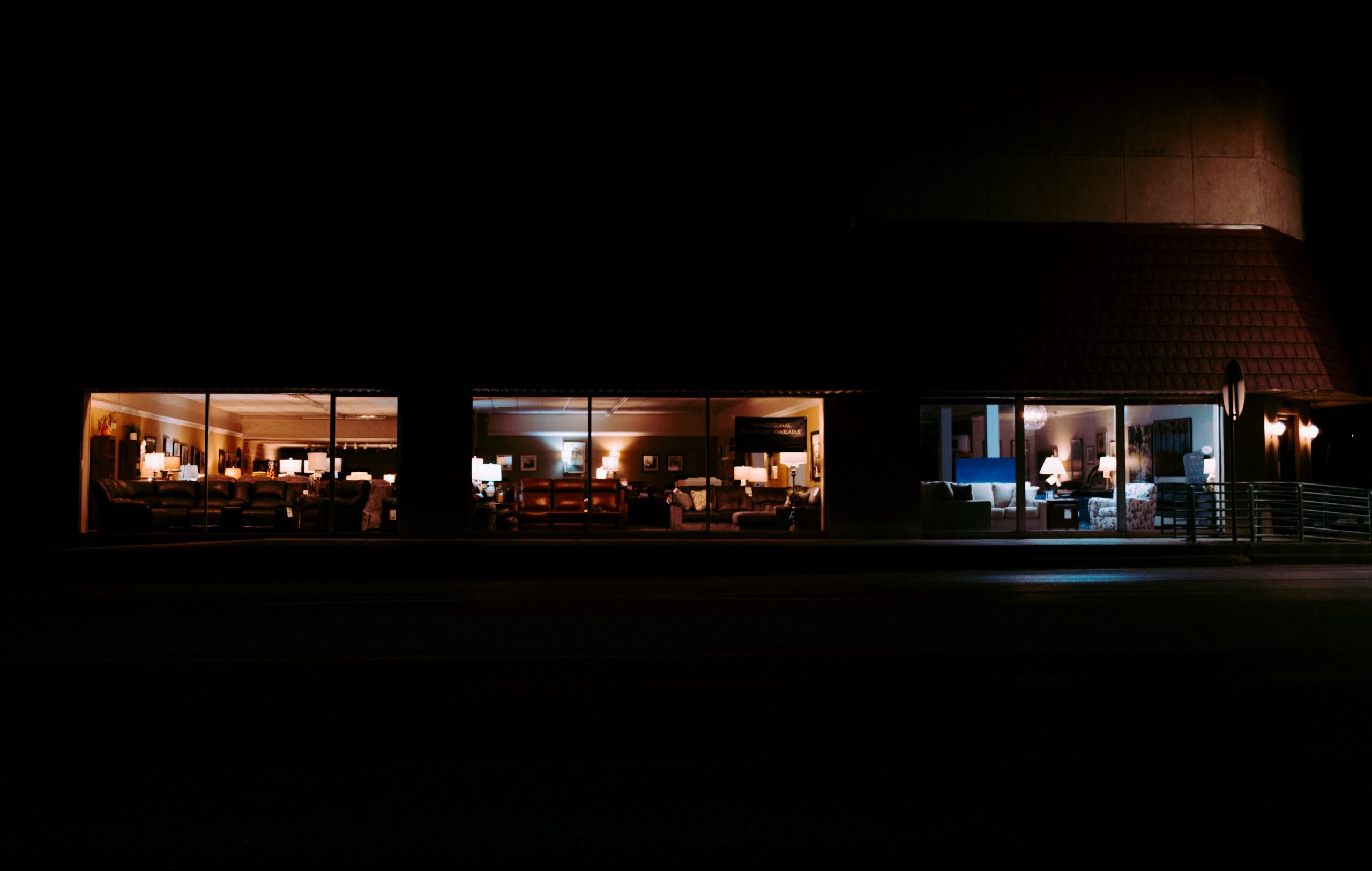
If you’re browsing living room furniture in Tennessee, Smoky’s Furniture is one company worth looking at for pieces that fit a comfortable, practical home. Its selection leans toward sofas, sectionals, recliners, and other everyday living room furniture designed to feel usable rather than overly formal, which can work well if you want your space to feel lived in instead of staged.
Measure First, Then Shop
Furniture shopping gets expensive fast when you skip measurements. A sofa that looks balanced in a showroom can swallow your room whole once it’s inside. Grab a tape measure, note your wall lengths, and map out where major pieces will go.
Focus on these dimensions:
– Room length and width
– Doorway and hallway clearance
– Window placement
– Distance between seating and the TV
– Walkways around tables and sofas
Try marking furniture footprints on the floor with painter’s tape. It sounds a little extra, but it works. You’ll catch scale problems early and avoid the classic mistake of buying a coffee table that turns every trip across the room into an obstacle course.
Pick the Right Sofa for Your Lifestyle
The sofa usually sets the tone for the whole room. It’s the anchor piece, and it takes the most abuse. If you have kids, pets, or frequent visitors, durability matters just as much as style.
When comparing sofas, pay attention to:
– Frame construction, preferably hardwood or sturdy engineered wood
– Cushion fill and firmness
– Performance fabrics for easier cleaning
– Seat depth based on how you sit
– Arm height and back support
If your living room sees heavy use, neutral upholstery can give you more flexibility over time. You can always bring in color through pillows or throws. Bold velvet may look amazing, but if your dog sheds like it’s a side hustle, practicality deserves a vote too.
Think Beyond the Sofa and Coffee Table
A living room that feels complete usually has layers. Once the main seating is in place, the supporting pieces do the real work of making the room functional. End tables hold drinks and lamps. Consoles manage media gear. Accent chairs add flexibility when more people show up.
Look for pieces that solve practical problems:
– Storage ottomans for blankets or games
– Narrow side tables for small rooms
– Console tables behind sofas for added surface space
– TV stands with cable management
– Bookcases that double as display and storage
This is also where you can balance the room visually. If your sofa is large and heavy-looking, lighter wood or metal accent pieces can keep the space from feeling too dense.
Choose Materials That Can Handle Real Life
Looks matter, but maintenance matters more once the furniture moves in. Some materials age beautifully. Others show every spill, scratch, and crumb like they’re filing a report. You want surfaces and fabrics that fit your household without creating extra stress.
Good choices often include:
– Performance fabric for stain resistance
– Leather for durability and easier cleanup
– Solid wood veneers or hardwoods for long-term use
– Metal frames for a lighter visual footprint
– Medium-tone finishes that hide dust better than very dark ones
If your room gets lots of sunlight, ask about fading. If you entertain often, think about wipeable surfaces. If your household is busy, low-maintenance materials can save you time and preserve your sanity, which is a decent bonus for a coffee table.
Work With Your Budget Without Buying Cheap Twice
Budget shopping doesn’t mean grabbing the lowest sticker price and hoping for the best. A smarter approach is deciding where to invest and where to save. The pieces you use every day should usually get the bigger share of the budget.
A useful spending strategy looks like this:
– Invest more in the sofa and primary seating
– Spend moderately on tables and storage pieces
– Save on decor accents that are easier to swap later
– Watch for package deals when furnishing a full room
– Ask about financing if you’re buying several key pieces at once
Pay attention to warranties, delivery costs, and assembly details too. A bargain stops being a bargain when it arrives damaged, feels flimsy after six months, or costs extra to get through your front door.
Make the Room Feel Finished and Personal
Once the furniture is in place, the final layer is what makes the room feel like yours instead of a catalog page. Lighting, texture, and spacing matter as much as the big pieces. Even strong furniture choices can fall flat if the room feels bare or awkwardly arranged.
Use finishing touches with intention:
- Add lamps at different heights for softer lighting
- Use rugs large enough to ground the seating area
- Mix textures through pillows, throws, and baskets
- Hang art that fits the scale of the wall
- Leave enough breathing room between pieces
If you want help with layout and scale, the National Association of Home Builders has useful homeowner resources on planning functional living spaces. For lighting ideas, the American Lighting Association offers guidance on layering ambient, task, and accent lighting in residential rooms.
Try to avoid overstuffing the room. You want comfort, not traffic congestion. The best living rooms feel easy to move through, easy to relax in, and ready for real life. If your setup does all that and still looks good, you’ve nailed it.