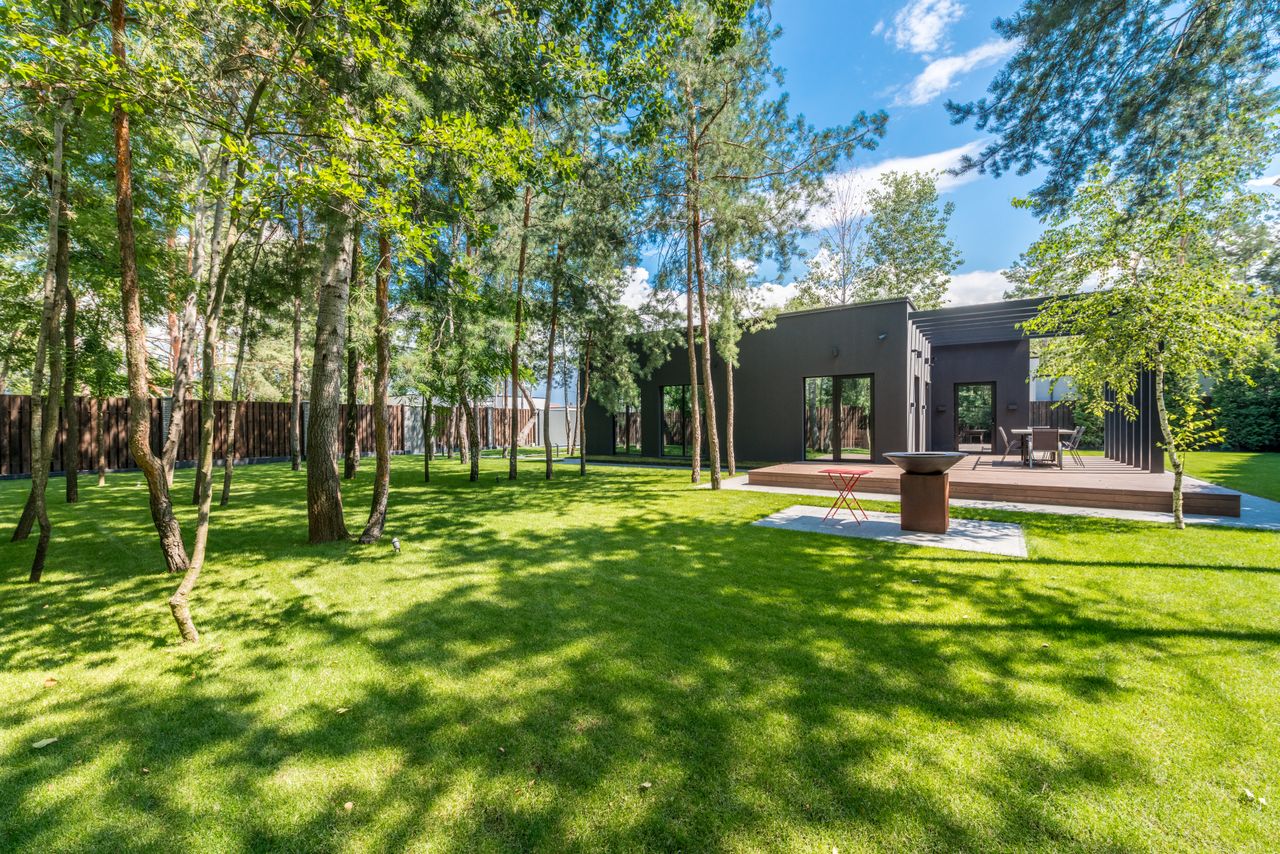
A memorable outdoor space is not defined by the number of flowers planted or the size of the lawn. It comes from thoughtful choices that make the property attractive, comfortable, and easy to maintain. Inspiration from https://www.classygrass.pro/ can help homeowners see landscaping as more than occasional mowing or adding a few plants near the front door. When every feature has a purpose, the yard becomes a natural extension of the home rather than another area demanding constant attention.
Start With the Way You Want to Live Outside
Before choosing plants or materials, think about what you would actually enjoy doing in the space.
Some homeowners want a quiet place to read with a cup of coffee. Others need an open lawn where children can play, a welcoming area for weekend gatherings, or a practical path between the driveway and back entrance. These goals should shape the design from the beginning.
A beautiful patio will not add much value to your daily life if it sits in an uncomfortable location. Likewise, a large garden bed may become frustrating when the household has little time for regular upkeep. Begin with function, then build the appearance around it.
Let the Property Guide the Plan
Every yard has characteristics that should influence how it is arranged.
Watch how sunlight moves across the property throughout the day. Notice where rainwater gathers, which areas dry quickly, and where the ground feels uneven. Existing trees, slopes, walkways, and utility features may also affect what can be planted or built.
Working with these conditions is often more successful than trying to force the property into a design that does not suit it. A shaded corner may become a peaceful seating area or a home for plants that prefer limited sunlight. A sunny section could support colorful beds, herbs, or an open gathering space.
Understanding the land first can prevent expensive changes later.
Build a Strong Foundation Before Decorating
The most visible features may attract attention, but successful landscaping begins beneath the surface.
Soil condition, grading, drainage, and edging can determine how well the finished space performs. If water regularly collects near a walkway or planting bed, adding decorative plants will not solve the underlying problem. The area may need improved drainage, adjusted grading, or a different layout.
The same principle applies to uneven ground. Small surface irregularities may sometimes be addressed during a landscape refresh, while deeper ruts or major slopes require a more complete solution. Taking care of structural concerns first creates a better foundation for everything that follows.
Use Plants to Create Rhythm and Personality
Plants bring movement, texture, and seasonal character to an outdoor space.
Instead of purchasing individual plants simply because they look appealing at the store, think about how they will relate to one another. Repeating a few varieties can make the design feel coordinated, while combining different heights prevents beds from looking flat.
Place taller shrubs or ornamental grasses toward the back of a border and lower plants near paths or edges. Consider leaf shape and color as well as flowers. Blooms may last for only part of the year, but foliage can provide interest for a much longer period.
Leaving enough room for mature growth is equally important. Crowding may create an instantly full appearance, but it can lead to difficult maintenance as plants expand.
Visit a Plant Nursery With a Real Plan
A plant nursery can offer far more than rows of colorful flowers. Looking through the selection at http://thevillagegarden.com/ can provide inspiration for trees, shrubs, perennials, annuals, herbs, vegetables, and other plants that fit your landscape goals. Before making any purchases, measure the intended planting area, take photographs, and note the amount of sunlight it receives so you can select plants that will thrive in the space.
It is also helpful to think about how each plant will contribute to the landscape over time. Some varieties provide year-round structure, while others add seasonal color, fragrance, or texture. Consider mature size, watering requirements, and how different plants will look together as they grow. Choosing species that match the local climate and soil conditions can reduce maintenance while improving long-term success. A well-planned visit often leads to better decisions than buying whatever happens to catch your eye, helping create a landscape that remains attractive and balanced for years to come.
Balance Living Features With Hard Surfaces
Plants soften a landscape, while hard surfaces give it shape and structure.
Paths can guide movement through the yard and prevent people from repeatedly walking across grass or planting areas. Patios create defined spaces for furniture, dining, or conversation. Retaining walls may help organize sloped sections, while decorative stone can add contrast around beds.
The best results usually come from balance. Too many hard surfaces can make a yard feel harsh, while an abundance of plants without clear borders may appear untidy. Connecting the two creates an outdoor setting that feels intentional.
Materials should also relate to the home. The colors, textures, and proportions do not need to match perfectly, but they should feel as though they belong on the same property.
Make Maintenance Part of the Design
A landscape can look impressive on installation day and still become difficult to manage within a year.
Think honestly about how much time you want to spend watering, pruning, weeding, and replacing seasonal plants. A lower-maintenance design may rely on defined beds, dependable plant varieties, practical edging, and enough spacing to make routine work easier.
Mulch can help create a finished appearance while reducing exposed soil around plants. Clear borders can keep grass from spreading into beds. Accessible paths make it easier to reach areas that need trimming or watering.
Maintenance should not be treated as an afterthought. It is part of the design itself.
Plan for More Than One Season
A yard designed around a single burst of spring color may feel empty during the rest of the year.
Choose plants with different flowering periods so the landscape changes gradually rather than peaking all at once. Trees and shrubs can provide lasting structure, while ornamental grasses, seed heads, bark, and evergreen foliage may add interest when flowers are no longer present.
Seasonal planning also applies to practical maintenance. Spring may be the right time for cleanup and refreshing beds, while warmer months require mowing, watering, and weed management. Autumn often brings leaf removal and preparation for colder weather.
Thinking ahead creates a landscape that remains appealing rather than requiring a complete reinvention every few months.
Add Character Without Creating Clutter
Outdoor personality often comes from a few carefully chosen details.
A bench beneath a tree, an attractive planter near the entrance, or a simple water feature can become a natural focal point. Lighting may highlight paths and make gathering areas more inviting after sunset. Decorative rock, pottery, or garden art can introduce color without requiring additional planting.
The key is restraint. Too many competing elements can make even a large yard feel crowded. Choose features that support the overall mood and give each one enough space to be noticed.
A strong focal point is usually more effective than several unrelated decorations scattered across the property.
Create an Outdoor Space That Grows With You
Landscaping does not need to be completed in one major project.
A long-term plan allows homeowners to address the most important areas first and add new elements as time and budget permit. Drainage, grading, paths, and primary gathering spaces may come before decorative beds. Trees and larger shrubs can be planted early so they have time to mature, while finishing details can follow later.
This phased approach prevents rushed decisions and helps each improvement connect with what is already in place. It also gives you time to observe how the property is used before committing to permanent features.
A well-planned yard should become more enjoyable as it develops. When design, function, and maintenance are considered together, the result is an outdoor environment that feels polished without feeling overly formal, supports everyday life, and continues to reward the care invested in it.