Fashion has always been about more than simply deciding what to wear. Across different generations, clothing and accessories have helped people communicate their interests, find like-minded communities, and create identities that feel separate from everyday life.
That relationship between fashion and identity has become even more interesting in the age of social media. Online communities can now form around shared interests almost instantly, with visual trends spreading across platforms and inspiring people to experiment with their appearance.
From alternative fashion and cosplay to festival culture and niche internet communities, accessories have become an important part of this process. A distinctive piece can turn an ordinary outfit into something recognisable, expressive, and personal.
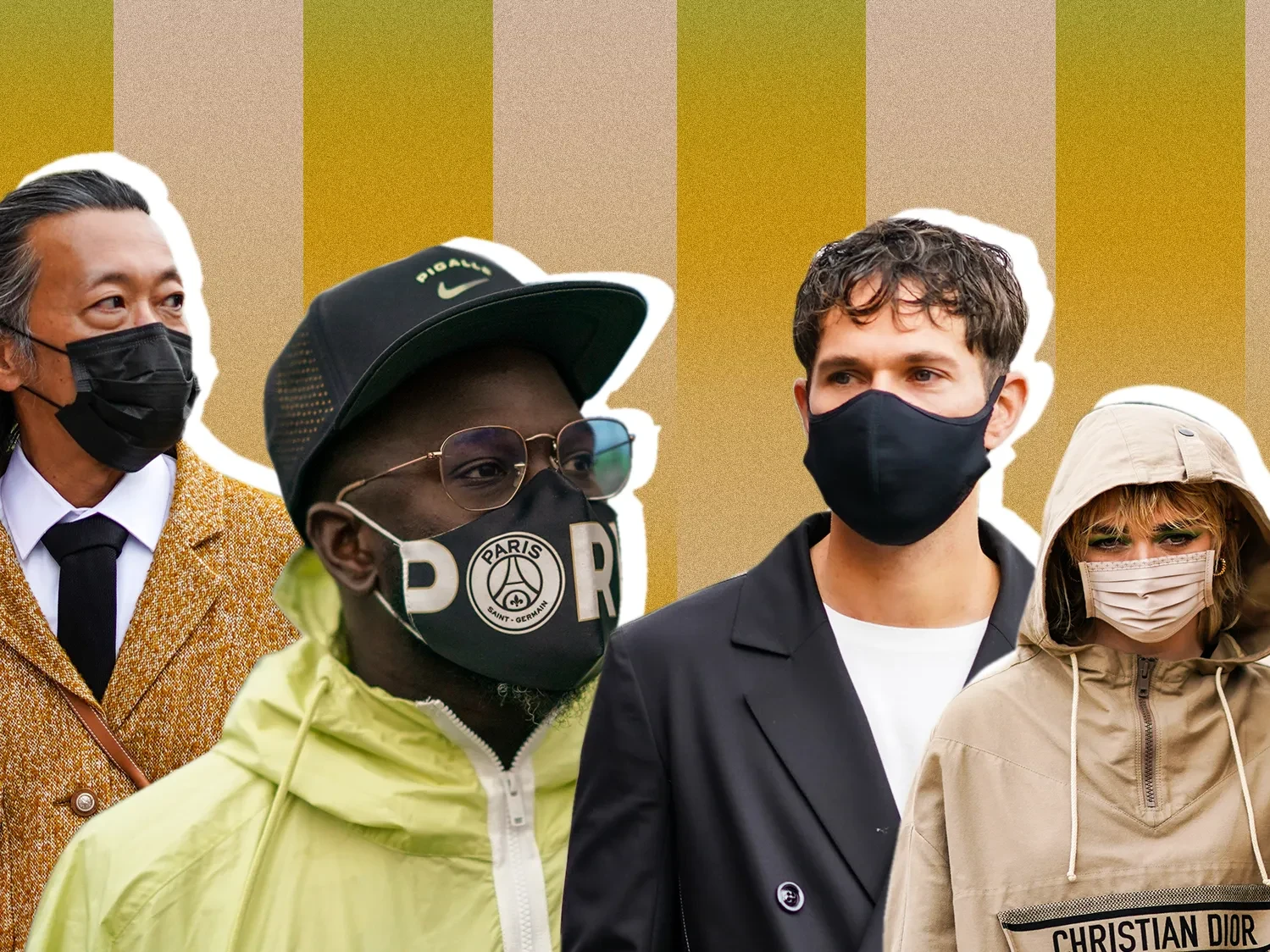
Masks are particularly fascinating in this context. They can conceal the face, transform someone’s appearance, and create an entirely different visual identity. For some communities, that makes them more than a costume accessory.
They become a form of creative expression.
Why Subcultures Have Always Used Fashion to Stand Out
Long before social media existed, alternative communities used clothing to establish a sense of belonging.
Punk, goth, metal, rave, and other subcultures developed distinctive visual languages through clothing, hairstyles, jewellery, makeup, and accessories. These styles often allowed people to communicate their interests without having to explain themselves.
Music has played a particularly important role in this history.
A person wearing a certain band T-shirt, hairstyle, or accessory might immediately be recognised as part of a particular scene. Going to a concert or festival could therefore feel like entering a community where people already shared something in common.
Today, the internet has expanded this idea considerably.
People no longer have to live in the same city or attend the same venues to discover others with similar interests. Online communities allow niche aesthetics to develop and evolve across geographical boundaries.
The result is a much broader landscape of personal style.
The Internet Has Changed How Trends Develop
Traditional fashion trends often moved from designers and magazines to mainstream consumers. Today, the process can happen in almost any direction.
A trend can begin with a small online community, become popular on TikTok or Instagram, appear in music videos, and eventually influence mainstream fashion.
This makes modern subculture style much less predictable.
Something that begins as a niche interest can suddenly attract thousands of people. At the same time, members of smaller communities can continue developing their own aesthetics without needing mainstream approval.
This freedom is one of the most interesting aspects of internet culture.
People can experiment with different identities, discover new creative influences, and build outfits around interests that might never have been represented in traditional fashion magazines.
Where Masks Fit Into Alternative Fashion
Masks have a unique position within this environment because they change the relationship between the wearer and their appearance.
Unlike a necklace or pair of shoes, a mask can dramatically alter the face. It can introduce an animal-inspired appearance, create a fantasy character, or simply make an outfit feel more mysterious.
That makes masks particularly useful for people who enjoy visual storytelling.
A person doesn’t necessarily have to be attending a traditional costume event to appreciate this type of accessory. Masks can appear in photography, performance, conventions, festivals, themed parties, creative videos, and alternative fashion shoots.
They can also become part of a carefully constructed aesthetic.
For people exploring animal-inspired online identities and creative subcultures, therian masks have become one example of how physical accessories can connect online interests with offline self-expression.
The important point is that the meaning of the accessory depends on the individual wearing it. Not everyone who wears an animal-inspired mask is participating in the same community or expressing the same idea.
Understanding the Appeal of Animal-Inspired Aesthetics
Humans have been fascinated by animals throughout history.
Animals appear in mythology, folklore, art, literature, music, fashion, and popular culture. They can represent strength, freedom, intelligence, mystery, independence, or playfulness.
Modern fashion continues this tradition in countless ways.
Animal prints are common in clothing. Designers use feathers, ears, tails, claws, and other animal-inspired elements in costumes and accessories. Musicians and performers have also used animal imagery to create memorable stage identities.
Masks simply take this idea further.
An animal-inspired mask can allow someone to explore a character, mood, or visual concept without completely changing their everyday appearance.
That temporary transformation can be part of the fun.
Self-Expression Doesn’t Always Have to Be Serious
One misconception about alternative fashion is that every style choice must have a deep explanation.
Sometimes people simply enjoy looking different.
Fashion can be playful, experimental, theatrical, or deliberately unusual. Wearing something unexpected can be a way to break away from routine and enjoy an experience that feels completely different from ordinary daily life.
This is especially true at events where creativity is encouraged.
Festivals, conventions, themed parties, Halloween celebrations, music events, and photography sessions all provide opportunities for people to experiment with visual identity.
A mask can be particularly effective because it immediately changes the atmosphere of an outfit.
A simple black outfit, for example, can become dramatically different when paired with an elaborate mask and carefully chosen accessories.
Music and Fashion Continue to Influence Each Other
For a publication with deep roots in music culture, the relationship between sound and visual identity is particularly relevant.
Musicians have always understood the power of appearance.
From theatrical stage costumes to distinctive hairstyles and makeup, artists frequently use fashion to create an identity that audiences can recognise immediately. Sometimes the visual identity becomes almost as memorable as the music itself.
Masks can play a similar role.
Artists have used masks and face coverings for mystery, branding, storytelling, performance, or simply because they wanted to create an unconventional stage presence.
The visual element can encourage audiences to become curious about the person behind the image.
In the age of social media, that relationship has become even stronger. A memorable visual can travel rapidly across platforms, helping an artist or creative project become recognisable within seconds.
The Rise of Identity-Based Communities Online
One of the most significant changes brought by the internet is the ability to find communities built around extremely specific interests.
Someone interested in alternative fashion can find creators from different countries. A person fascinated by costume design can join specialist forums. Someone exploring an unusual aesthetic can find thousands of examples within minutes.
This can be incredibly empowering.
Instead of feeling like an interest is too unusual or niche, people can discover others who enjoy the same things.
Fashion becomes one of the easiest ways to participate in these communities because it provides a visible form of expression.
An outfit, accessory, mask, or hairstyle can communicate an interest before a conversation even begins.
Why Personal Style Matters More Than Following Every Trend
The problem with constantly following trends is that personal style can quickly disappear underneath them.
A better approach is to treat trends as inspiration rather than rules.
Someone might discover an alternative aesthetic online and incorporate only the elements they genuinely enjoy. Another person might combine traditional clothing with unusual accessories to create something completely individual.
There is no requirement to fit perfectly into one category.
In fact, some of the most interesting styles come from mixing different influences.
A vintage jacket can be paired with futuristic accessories. Streetwear can be combined with theatrical elements. Music-inspired clothing can sit alongside fantasy-inspired details.
The possibilities are practically endless.
Masks as Tools for Creative Photography
Photography is another area where distinctive accessories can have a major impact.
A mask immediately introduces a visual story, giving photographers and models something to build a concept around.
The setting, lighting, clothing, and pose can all be designed to complement it.
This is particularly useful for creators producing content for social media. A visually striking photograph has the potential to attract attention quickly, while a consistent aesthetic can help creators establish a recognisable identity.
The mask doesn’t necessarily need to dominate the photograph.
Sometimes a subtle appearance in the background or a close-up detail can be enough to create curiosity.
The Difference Between Costume and Personal Style
There is an important distinction between dressing for a costume event and incorporating unusual elements into everyday creative style.
Costumes are usually designed around a particular character, theme, or occasion. Personal style is more flexible.
Someone might wear an animal-inspired accessory for a photography session but choose a completely different aesthetic for everyday life. Another person might incorporate elements of that style into their regular wardrobe.
Neither approach is more valid than the other.
Fashion is ultimately about experimentation and individual preference.
What matters is that people have the freedom to decide what an item means to them.
A More Creative Future for Fashion
The boundary between fashion, entertainment, music, and online culture continues to become less defined.
A musician can influence fashion. A TikTok creator can influence music discovery. A costume designer can inspire streetwear. A niche internet community can introduce an aesthetic that eventually reaches mainstream audiences.
This constant exchange makes contemporary style particularly exciting.
There are fewer fixed rules about what belongs together, and people have more opportunities to discover influences outside their immediate surroundings.
Masks, unusual accessories, and alternative aesthetics are part of that broader movement toward more individual forms of expression.
Final Thoughts
Fashion has never been only about looking good. It has always provided people with a way to communicate, experiment, belong, and sometimes simply have fun.
The internet has expanded those possibilities by connecting people with communities and aesthetics that might once have been difficult to discover. Music, entertainment, fashion, and online culture now influence each other constantly, creating new forms of visual expression.
Masks are a particularly interesting part of this evolution because they can completely transform someone’s appearance while leaving room for creativity and interpretation.
Whether used for photography, performance, festivals, conventions, themed events, or personal exploration, they demonstrate an important truth about modern style: there is no single definition of what fashion has to be.
The most interesting looks are often created when people stop worrying about fitting into a category and start experimenting with what genuinely inspires them.
And in a culture where individuality is increasingly celebrated, that freedom to experiment may be one of the most exciting trends of all.