Fashion has increasingly become more than a way to dress. Modern streetwear can represent identity, creativity, culture, and even social ideas. Two phrases that reflect different but interesting sides of contemporary culture are cold culture and peace in war. While Cold Culture is connected with modern fashion and youth expression, Peace in War carries a deeper message about finding hope, unity, and humanity during difficult times.
What Is Cold Culture?
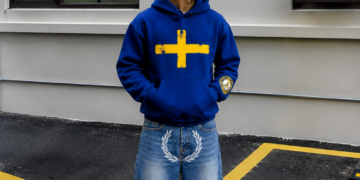
Cold Culture is a modern fashion concept associated with contemporary streetwear, expressive graphics, relaxed silhouettes, and a strong connection to youth culture. Its aesthetic often combines everyday comfort with distinctive visual details, creating clothing that can be worn casually while still making a statement.
Streetwear has become a global language, allowing people from different backgrounds to communicate their personalities through clothing. Cold Culture fits into this movement by focusing on pieces that feel current, recognizable, and connected to modern urban style.
The appeal of Cold Culture is not limited to one type of customer. Hoodies, sweatshirts, trousers, and other casual pieces can be incorporated into everyday wardrobes, making the overall aesthetic flexible and easy to personalize.
Cold Culture Spain and Modern Streetwear
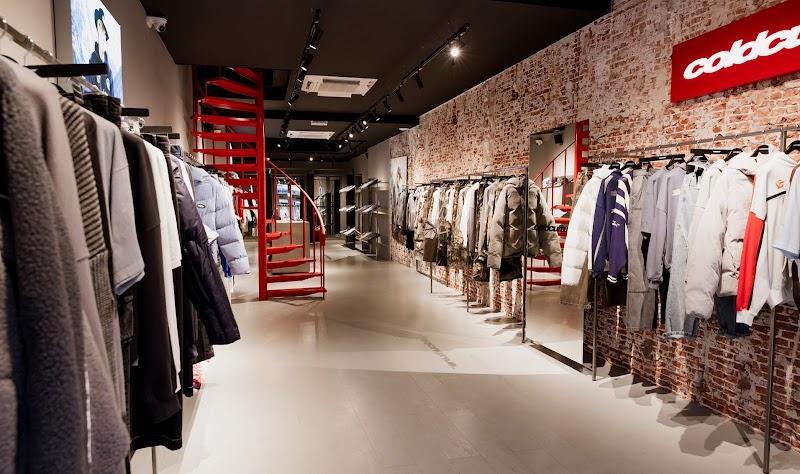
The influence of cold culture Spain is particularly interesting because Spain has developed a strong contemporary fashion and streetwear scene. Cities such as Madrid and Barcelona have become important spaces for young creatives, musicians, designers, and fashion enthusiasts.
Spanish street style often combines international trends with local personality. This creates an environment where brands and fashion movements can develop their own visual identities while remaining connected to the wider global streetwear community.
Cold Culture’s appeal within this environment can be understood through its emphasis on individuality and contemporary design. Younger consumers increasingly look for clothing that feels connected to their lifestyle rather than simply following traditional fashion rules.
Social media has also played an important role in spreading streetwear aesthetics. A look created in Spain can quickly influence audiences across Europe and beyond, while international trends can equally become part of Spanish youth culture.
Understanding the Meaning of Peace in War
Unlike a fashion term, peace in war represents an idea. At its core, it describes the human desire for compassion and understanding even when societies experience conflict.
War often creates division, uncertainty, and suffering. The idea of peace in war reminds people that humanity should remain important even during periods of disagreement. It can symbolize hope, resilience, dialogue, and the belief that peaceful solutions are possible.
This message has relevance far beyond politics. Artists, designers, musicians, and writers have frequently used creative expression to encourage conversations about peace. Fashion can also contribute to these conversations because clothing is highly visible and can communicate ideas without requiring lengthy explanations.
When Fashion Meets Social Expression
Modern streetwear has a long history of connecting fashion with cultural expression. People may choose particular graphics, colors, or slogans because they represent something meaningful to them.
This is where the concept of peace in war can complement a contemporary fashion aesthetic. A garment can be visually appealing while also carrying an idea about unity or hope. For younger audiences, this combination of style and meaning can make clothing feel more personal.
Cold Culture represents the fashion side of this conversation, while peace in war represents the broader human message. Together, they demonstrate how modern culture can connect appearance with ideas.
Building an Individual Style
One reason streetwear remains popular is its versatility. A relaxed hoodie can be paired with denim and sneakers for a simple everyday outfit, while a sweatshirt can be layered with a jacket for a more structured appearance.
The key is personal interpretation. Fashion does not have to follow a strict formula. People can combine contemporary streetwear with vintage pieces, athletic footwear, accessories, or minimal basics to create a look that feels authentic.
The Cold Culture aesthetic works particularly well for people who appreciate comfortable clothing but still want their outfits to have character.
A Global Cultural Conversation
The relationship between Cold Culture, Spain, and the idea of peace in war also reflects something larger about modern culture. Fashion and ideas now travel across borders faster than ever.
A creative movement can begin in one city and gain attention internationally through social platforms. At the same time, important social messages can reach audiences through music, art, fashion, and digital communities.
This global exchange allows people to discover different perspectives while developing their own identities. Spain’s growing streetwear culture is one example of how local creativity can participate in an international fashion conversation.
Final Thoughts
Cold Culture represents contemporary streetwear, individuality, and youth-focused fashion, while cold culture Spain highlights how modern streetwear can connect with Spain’s creative communities. Peace in war, meanwhile, represents a universal desire for hope, understanding, and humanity during challenging periods.
Together, these ideas show that modern culture is not only about what people wear. It is also about what they value, how they express themselves, and the messages they choose to share. Fashion can provide the visual language, while meaningful ideas can give that language greater purpose.