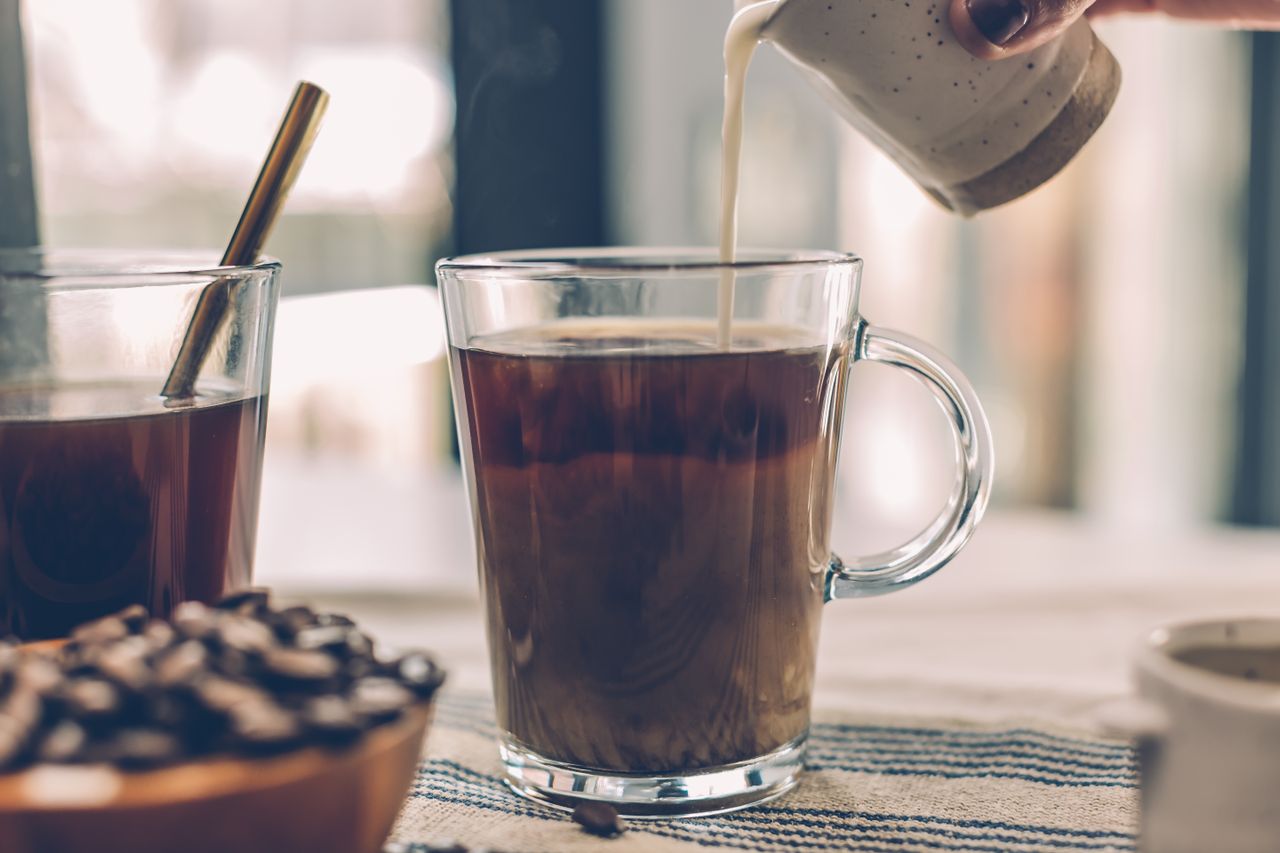
What if the difference between mediocre morning coffee and an exceptional cup comes down to just a few simple adjustments in your routine? Many people assume that great coffee requires expensive equipment or specialty barista skills, but the reality is far more accessible. By understanding the fundamentals of coffee preparation and making intentional choices about your beans, water, and brewing method, you can dramatically improve the flavor of your daily cup without overhauling your entire setup.
1. Start with High-Quality, Fresh Beans
The foundation of flavorful coffee begins long before water touches the grounds. Coffee beans are at their flavor peak within two to four weeks of roasting, so purchasing fresh beans is non-negotiable. Look for bags that display a roast date rather than a vague “best by” label, and buy from local roasters or specialty coffee suppliers when possible. These sources typically roast in smaller batches and have faster inventory turnover than mass-market retailers.
Different roast levels offer distinct flavor profiles, and understanding this range helps you select beans that match your preferences. Light roasts preserve more of the bean’s origin flavors and tend to have higher acidity and brightness, while medium roasts strike a balance between origin characteristics and caramelized sweetness. Dark roasts emphasize bold, smoky notes and lower acidity. Roasters who source carefully from fresh green coffee bean suppliers with strong relationships to specific farms often provide detailed origin information that allows you to experiment meaningfully. Trying beans from different origins, roasters, and roast levels is a reliable way to discover which profiles you genuinely enjoy.
2. Invest in a Burr Grinder
Pre-ground coffee loses flavor compounds rapidly once exposed to air, making the grind stage critical for flavor preservation. A burr grinder, which crushes beans between two abrasive surfaces, produces uniform particle sizes far superior to blade grinders that chop erratically. Consistency in grind size ensures even extraction, meaning water reaches all the grounds at roughly the same rate rather than over-extracting finer pieces and under-extracting larger chunks.
Burr grinders come in two varieties: conical and flat burr designs. Conical burrs produce a slightly wider range of particle sizes but require less energy to operate, while flat burrs deliver more uniform consistency at the cost of more motor power. For home use, either type performs well, so the most important factor is grinding immediately before brewing. Whole beans stored in an airtight container at room temperature maintain their flavor far longer than pre-ground coffee, which begins deteriorating within minutes of grinding due to oxidation.
3. Use Filtered Water at the Right Temperature
Water quality directly impacts your final cup because coffee is roughly 98 percent water by volume. Tap water containing high levels of minerals, chlorine, or other contaminants can mask the nuanced flavors you worked to extract from quality beans. A simple filtered pitcher or inline faucet filter removes most problematic elements without adding significant cost or complexity to your routine. Filtered water also prevents mineral buildup inside your brewing equipment, which extends equipment lifespan and maintains consistent flavor over time.
Water temperature affects extraction speed and the types of compounds that dissolve from the grounds. Coffee extracts optimally between 195 and 205 degrees Fahrenheit, a range hot enough to dissolve desirable flavors but not so hot that it over-extracts bitter compounds. If your kettle does not display temperature, a practical rule of thumb is to wait thirty seconds after water reaches a rolling boil before pouring. Too-hot water pulls excessive bitterness, while water that is too cool fails to extract sufficient flavor, leaving your coffee tasting weak or sour.
4. Master Your Brewing Ratio and Technique
The ratio of coffee to water dramatically influences flavor strength and balance. A common starting point is one part coffee to sixteen parts water by weight, but personal preference may lead you to adjust this ratio slightly stronger or weaker. Using a simple kitchen scale removes guesswork and produces consistent, repeatable results across brewing sessions. Once you find a ratio you enjoy, maintaining it helps you identify when equipment changes or bean choices are making a genuine difference in flavor.
Brewing technique varies based on your chosen method, but the core principle remains consistent: allow hot water adequate contact time with ground coffee to extract flavors fully. French press brewing typically takes four minutes, while pour-over methods work faster through controlled pouring techniques. Regardless of method, avoid the temptation to rush the process. A few extra seconds of contact time can mean the difference between a flat, under-extracted cup and one with clarity and complexity.
5. Store Beans and Equipment Properly
Proper storage preserves the flavor investment you have already made in selecting quality beans. Keep whole beans in an airtight container away from direct sunlight, heat, and moisture. A pantry or cupboard provides ideal storage conditions, far better than refrigerators or freezers, which expose beans to humidity and temperature fluctuations that degrade flavor compounds. Most beans remain at peak flavor for approximately one month after roasting when stored this way, so buying smaller quantities more frequently yields better results than stockpiling large amounts.
Your brewing equipment also requires maintenance to support consistent flavor. Residual oils and mineral deposits accumulate inside your brewer over time, creating rancid flavors that taint fresh coffee. Regular cleaning using hot water, and occasional deep cleaning with appropriate solutions, keeps equipment functioning properly. French presses should be thoroughly rinsed after each use, while automatic drip machines benefit from monthly vinegar cycles to dissolve mineral buildup. Well-maintained equipment produces cleaner, brighter flavors compared to neglected brewers that develop off-tastes from accumulated residue.
Conclusion
Achieving exceptional coffee at home requires attention to several interconnected factors rather than relying on a single magic solution. Starting with fresh, quality beans and grinding them immediately before brewing establishes a strong foundation. Combining filtered water at the correct temperature with a consistent brewing ratio and technique ensures your equipment extracts maximum flavor from those beans. Proper storage of both beans and equipment preserves the quality built throughout the process. These practices represent accessible improvements that anyone can implement regardless of their current setup, transforming daily coffee from an afterthought into something genuinely worth savoring.