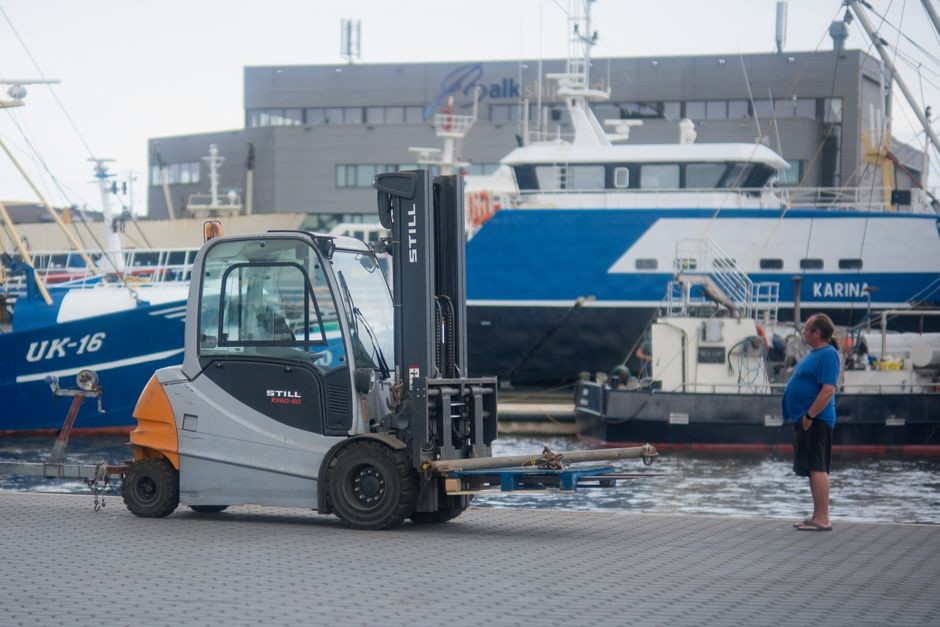
Ports look chaotic from the outside: containers stacked high, forklifts weaving through tight lanes, crews working against the clock, and ships waiting for their turn. Under that pressure, small mechanical issues turn into expensive delays fast. If you’re trying to understand what keeps port operations moving, the answer often comes down to something less glamorous than giant cranes or massive vessels. It’s the condition, availability, and fit of the equipment parts behind the scenes. Once you see how much depends on them, the whole system makes a lot more sense.
Why parts matter more than most people realize
When you think about port efficiency, your mind probably jumps to cargo volume, labor, or shipping schedules. Fair enough. Yet none of that works smoothly if the machines on the ground are unreliable. Forklifts, terminal tractors, handlers, and other workhorses need consistent upkeep, and that starts with the right parts.
A failed hydraulic seal or worn brake component can sideline equipment for hours. In a port environment, hours feel like a luxury nobody has. Operators often work in narrow time windows, especially when vessel unloading and yard movement are tightly scheduled.
That makes reliability a business issue, not just a maintenance concern. One missing component can create a domino effect: delayed loads, backed-up traffic, irritated carriers, and mounting labor costs. It’s a little like losing one gear in a machine that insists on running at full speed anyway. Spoiler: it doesn’t go well.
The practical takeaway is simple. If you’re managing or supporting any operation tied to freight movement, you need to treat part quality and availability as essential infrastructure.
Choosing parts that fit port conditions
Not every industrial setting is as punishing as a port. Equipment there faces intense cycles, heavy attachments, weather exposure, and strict operational expectations. That means selecting replacement parts is not only about matching a serial number. You need to think about how the machine actually works in the field.
A lift truck operating near docks may need components that can handle corrosion risk and high-frequency use. A machine moving oversized cargo may require especially dependable steering, mast, and hydraulic systems. Buying the cheapest option often looks smart for about five minutes, right up until the next breakdown.
When evaluating suppliers for port equipment parts, pay attention to a few things:
– Fit with your specific make and model
– Availability of common wear components
– Product quality and consistency
– Support for heavy-duty industrial applications
– Shipping speed when downtime is already active
Good sourcing decisions reduce uncertainty. In port logistics, uncertainty is expensive, annoying, and strangely contagious.
The real cost of waiting on a repair
Downtime has a habit of hiding its true price. A repair invoice may look manageable, but the surrounding damage usually costs more. When a lift truck goes down in a port, the issue reaches beyond one machine parked in a service bay.
You may need to reshuffle labor, delay container handling, or push another unit harder than planned. That creates a chain of wear and scheduling pressure. It also increases the chance of safety issues, especially when operators are forced to improvise around broken equipment.
Ports are not forgiving workplaces for patchwork solutions. Salt air, constant use, heavy loads, and uneven surfaces already push machinery hard. If replacement parts are low-grade, incorrect, or delayed, you’re giving stress a running start.
This is where planning separates smooth operations from recurring headaches. Strong teams track failure patterns, keep critical components in stock, and source parts from suppliers that understand industrial equipment rather than treating every order like a generic catalog sale.
If you’ve ever seen a “temporary fix” stay in place for six months, you already know maintenance shortcuts have a dark sense of humor.
Maintenance teams need strategy, not just tools
You can’t solve every mechanical issue by reacting faster. At some point, maintenance has to become more strategic. The best port operations don’t only repair equipment after failure. They build systems that reduce failure frequency in the first place.
That often includes preventive maintenance schedules, digital service logs, operator inspection checklists, and clear reorder points for critical parts. If one type of hose, bearing, or brake assembly tends to fail after a known usage period, that data should shape purchasing decisions.
Communication matters too. Operators usually notice odd vibration, slower lift response, or steering problems before a full breakdown happens. If those warnings aren’t reported clearly or acted on quickly, you lose a chance to fix a small issue while it’s still small.
A solid maintenance strategy also protects your budget. Emergency repairs, rushed shipping, and last-minute sourcing can blow through operating costs fast. Predictable maintenance spending may not sound exciting, but finance teams tend to love anything that avoids chaos with a line item attached.
In short, better systems make technicians more effective and equipment more dependable.
What smart operations leaders pay attention to
If you’re responsible for uptime, your job goes beyond ordering replacements when something breaks. You need visibility into how assets perform, where bottlenecks happen, and which failures repeat. The best operations leaders think in patterns.
They review maintenance records, compare vendor performance, and identify whether certain machines are consuming more parts than expected. Sometimes the issue is part quality. Other times it’s operator habits, environmental stress, or a deeper mechanical problem that keeps getting treated like a one-off event.
It also helps to build supplier relationships before emergencies hit. When you already know where to get dependable parts for heavy equipment, decisions become faster and less risky. That’s a major advantage when a mission-critical machine is down and every hour matters.
You should also keep a realistic inventory of high-failure items. Overstocking everything ties up cash, but understocking essentials creates preventable delays. The sweet spot comes from knowing your equipment, your workload, and your failure history.
Ports run on timing, coordination, and mechanical trust. When the right parts are available and the maintenance plan actually works, cargo keeps moving, crews stay productive, and expensive disruptions lose their favorite opening.