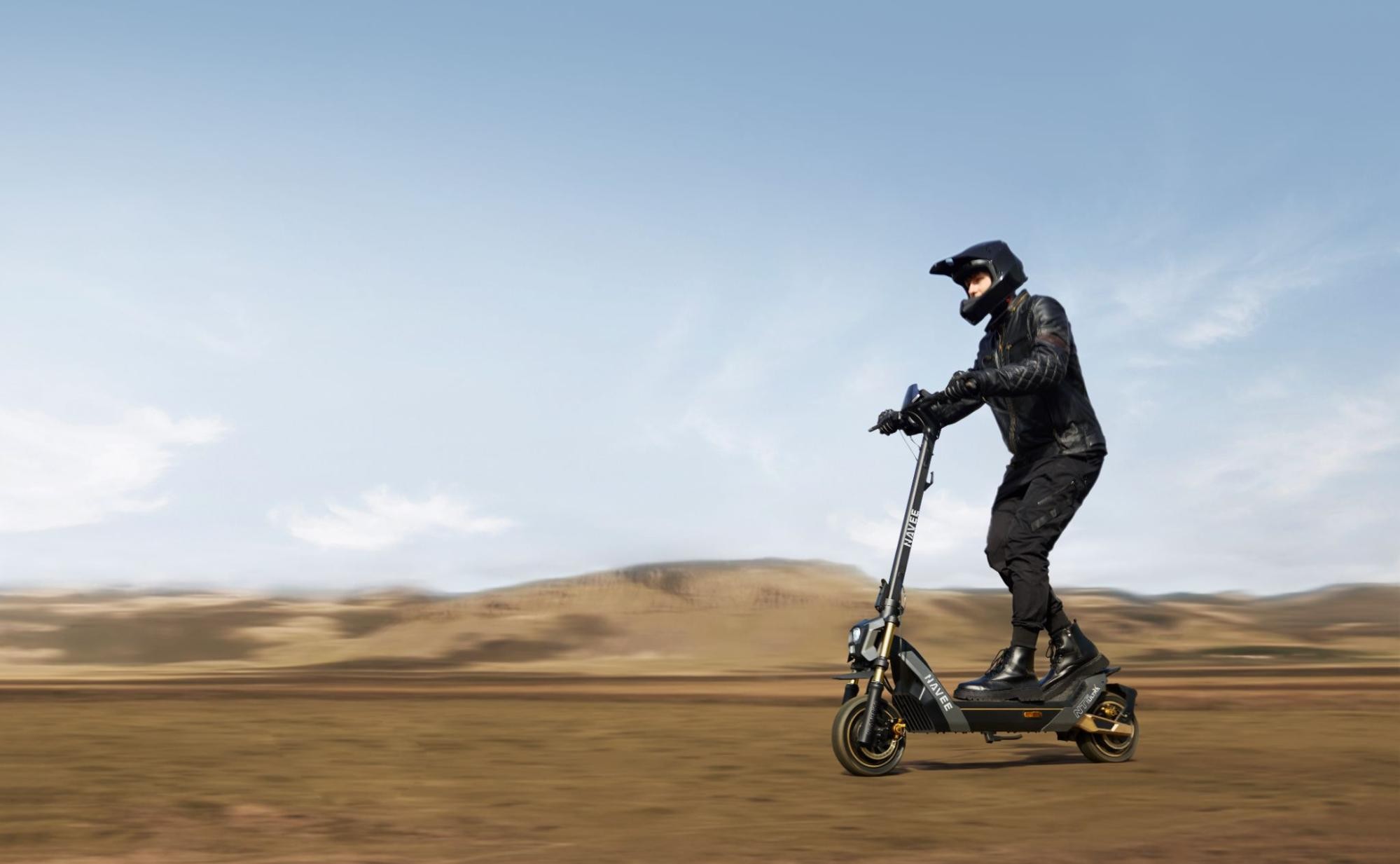
A scooter that feels quick on a flat street can behave very differently halfway up a long incline. Add a heavier rider, a loaded backpack, repeated stops, or a longer route, and motor power begins to matter in ways that top speed alone cannot show.
For riders considering a higher-powered electric scooter, the motor is only one part of the decision. Hill performance depends on how power is delivered under load, while longer rides bring battery capacity into the picture. Strong acceleration also puts more responsibility on the brakes, tires, and suspension. Those parts need to work together if the extra power is going to be useful in everyday riding.
When Extra Motor Power Is Actually Useful
There are plenty of rides where a basic commuter scooter does the job. Flat streets, short distances, and light loads do not always justify the extra weight and battery size that often come with a more powerful machine.
Hills change that calculation. So do heavier riders, regular cargo, frequent uphill starts, and routes where the scooter has to regain speed repeatedly. A rider carrying a backpack and climbing several slopes on the way home is asking much more from the motor than someone covering the same mileage on flat pavement.
Scooter ranges from companies such as NAVEE cover both everyday commuting and more performance-focused riding. That variety is useful because motor size makes more sense when it is matched to a specific route rather than treated as a simple measure of how good a scooter is.
Motor Watts Only Tell Part of the Story
Motor specifications often include rated power and peak power. Peak output describes what the system can deliver for shorter bursts, while rated power gives a better sense of sustained operation. Neither number tells the whole story on its own.
A large peak figure may look impressive on a product page, but it does not tell you how the scooter will feel several minutes into a climb. Rider weight, slope length, traction, battery condition, and the way power reaches the wheels all affect the result.
Motor layout matters as well. The NAVEE NT5 Ultra X, for example, uses a dual-motor configuration, which is particularly relevant for riders looking for stronger acceleration and hill performance rather than simply a larger single-motor figure.
For buyers, that makes motor configuration worth checking alongside the headline wattage number.
Hills Change the Power Equation
Two riders can take the same scooter up the same road and get noticeably different results.
Body weight is part of it, but total riding load is more useful. A 200-pound rider carrying a backpack, lock, groceries, and other gear may be putting considerably more load on the scooter than the rider weight alone suggests.
The hill itself matters too. A short incline is different from a long climb that keeps the motor working hard for several minutes. Repeated hills during one trip can also affect battery use and performance differently from a single slope.
This is why climbing specifications are best treated as reference points rather than guarantees. Surface condition, load, battery charge, and the length of the climb can all change what happens on the road.
If hills are a regular part of your route, think about the steepest ones you actually ride and the weight you normally carry. Those two details are more useful than choosing a motor based on the largest wattage number available.
Range Can Shrink When You Use the Power
High power and long range can exist in the same scooter, but using more of that power usually consumes energy faster.
A long, steady ride at moderate speed is very different from a route filled with steep climbs and hard acceleration. Higher cruising speeds also draw more from the battery. That is one reason the same scooter can show very different range figures at different test speeds; NAVEE’s current NT Series specifications, for example, publish separate range figures based on riding speed rather than presenting one number without context.
When comparing scooters for longer trips, check the conditions behind the advertised range. Consider your normal speed, route elevation, rider load, and how often you expect to use stronger acceleration.
For weekend rides in particular, some unused battery capacity is useful. A detour or an extra hill should not turn the return trip into a range calculation.
Strong Acceleration Needs Strong Control
More motor output changes more than how quickly a scooter accelerates. It also makes tire grip, chassis stability, and braking performance more noticeable.
A high-powered scooter used on hills should have brakes that feel predictable when speed builds on the other side of the climb. Tires need enough contact and grip for acceleration as well as braking, particularly on imperfect pavement. Suspension can help keep the scooter settled when the route mixes speed with rougher surfaces.
For riders regularly dealing with steep streets, heavier loads, longer routes, or more demanding road conditions, comparing purpose-built high-power electric scooters gives a clearer picture than comparing motors in isolation. The NT Series, for instance, pairs its higher-output options with front and rear suspension, tubeless tires, and disc braking with EABS rather than treating motor output as a standalone feature.
That broader setup is what makes the available power easier to use when road conditions are less forgiving.
Buy for the Ride You Have
A rider facing two steep climbs every day has a different reason to pay for extra power than someone traveling five flat miles to work. The same is true for a lighter solo rider and someone carrying a loaded backpack on longer weekend trips.
Before choosing a high-power scooter, get four things clear: the hills on your regular route, your normal riding load, the distance you realistically need to cover, and how much scooter weight you are comfortable handling.
Once those details are known, the motor specification becomes much easier to judge. Extra power is most worthwhile when it helps the scooter handle the hills, load, and distance already present in your rides—and when the brakes, tires, suspension, and battery are ready to support it.