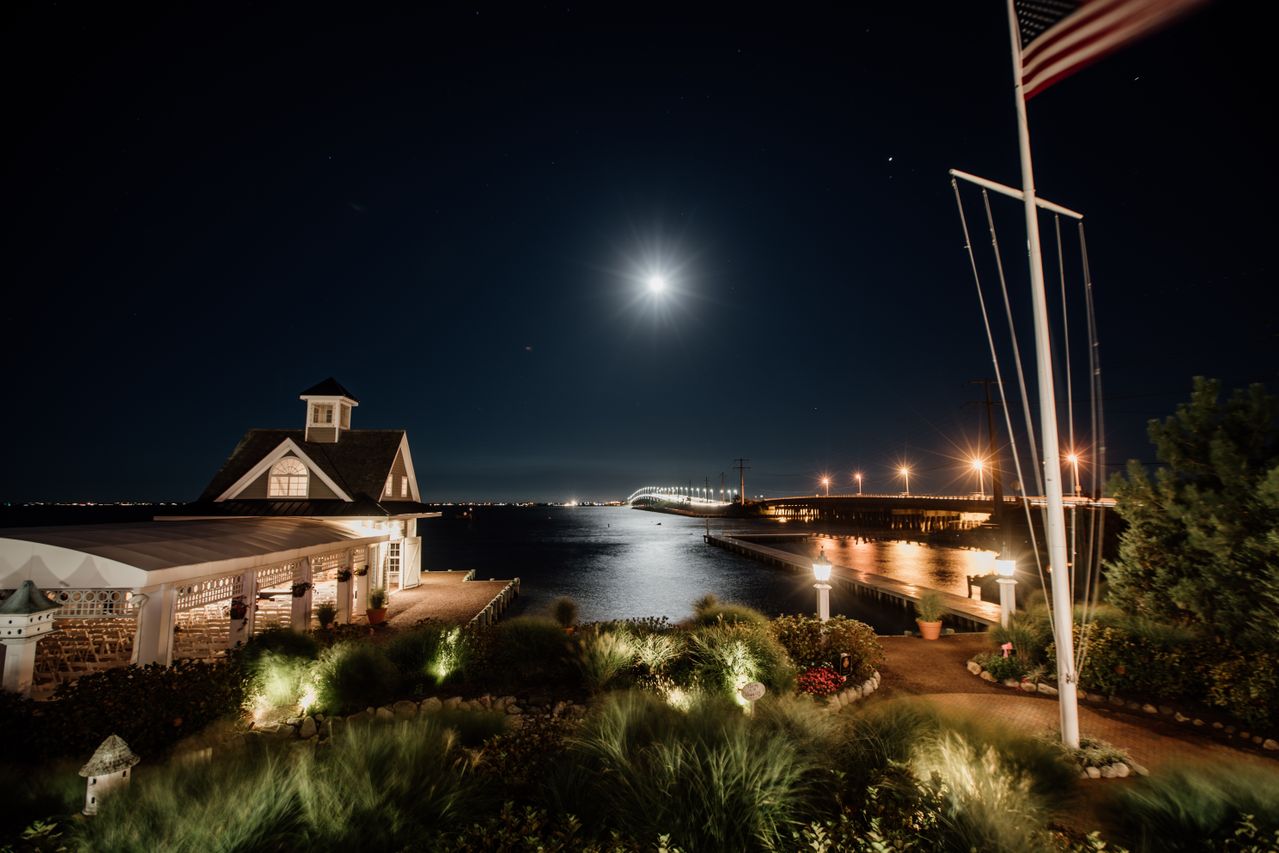
Building Your Perfect Waterside Wedding
Imagine exchanging vows as the sun dips below the horizon, with water reflecting golden light across your gathering of loved ones. Waterside weddings offer a naturally stunning backdrop and create memories that feel distinctly different from traditional venue experiences. The combination of serene water views, natural lighting, and a sense of peaceful separation from everyday life makes waterside settings deeply appealing to couples planning their special day. However, creating a flawless waterside wedding requires careful attention to logistics, environmental factors, and design choices that differ significantly from indoor celebrations. Understanding these unique considerations will help you design a ceremony and reception that feels both beautiful and well-executed.
1. Selecting the Right Waterside Location
Choosing your waterside venue is the foundation of your entire wedding plan. Consider whether you prefer a lakeside setting with calm, reflective water, an ocean beach with dramatic waves, a riverside garden, or a waterfront estate with manicured grounds. Each setting brings its own character and practical requirements. A secluded beach cove offers romance and privacy but may require permits and have limited guest capacity. Established waterside venues typically provide existing infrastructure like parking, restrooms, and weather protection options, which can simplify planning considerably.
When evaluating potential locations, visit at the time of day you plan to host your ceremony or reception. Water reflects light differently throughout the day, and the angle of sunlight will dramatically affect photography and the overall atmosphere. Ask venue managers about tide schedules if applicable, wind patterns during your chosen season, and any environmental concerns like algae blooms or seasonal wildlife activity. Couples seeking a lakeside setting with built-in amenities and scenic mountain surroundings often rely on a California wedding venue to provide the infrastructure and natural beauty that makes waterside celebrations feel effortless. Understand what amenities the venue provides and what you will need to rent, including tables, chairs, lighting, and heating or cooling systems.
2. Managing Weather and Water Conditions
Weather represents the primary challenge of waterside celebrations, and planning for multiple scenarios is essential. Even if your wedding falls during typically favorable months, unexpected storms or unseasonable conditions can arise. A quality tent or covered pavilion provides insurance against rain while maintaining visibility of the water. Some couples choose transparent tent coverings that allow guests to see the sky and surroundings while staying dry.
Water conditions demand equal attention alongside weather patterns. Wind can create rough water, reduce visibility, and make outdoor activities uncomfortable for guests in formal attire. High humidity near water may require adjustments to hair and makeup plans. If your ceremony or reception includes water activities like boat arrivals or lakeside swimming, check conditions well in advance and have backup plans ready. Establishing a clear weather protocol with your planner and venue ensures everyone knows decision deadlines and alternative arrangements if conditions deteriorate.
3. Designing for Water Views While Maintaining Function
The water itself is your most dramatic design element, yet you must balance aesthetics with practical functionality. Position your ceremony altar or reception stage so guests have clear views of both the water and key moments. Avoid placing guest seating in ways that force people to face away from the water or the couple. Lighting becomes crucial for waterside events, particularly if your celebration extends into evening hours. Strands of lights, lanterns, or uplighting can transform the water into a glowing backdrop while providing necessary illumination for safety and visibility.
Consider how water reflections interact with your color scheme and décor choices. Blues, silvers, and whites often harmonize beautifully with water settings, while darker colors may feel heavy against bright water backgrounds. Floral arrangements and centerpieces can echo natural surroundings with water plants, driftwood, or coastal flowers. Be mindful of decorative elements that could blow away or be damaged by moisture. Secure tablecloths, napkins, and lightweight items effectively, and choose flowers and linens that withstand humidity without wilting or discoloring.
4. Addressing Practical Logistics and Guest Comfort
Waterside venues often present transportation and accessibility challenges that require advance planning. Ensure adequate parking and clearly marked pathways from parking areas to ceremony and reception spaces. Consider shuttle services if your venue is far from parking or difficult to reach on foot. Provide clearly marked restroom facilities, and account for increased usage during events near water, as heat and sun exposure increase bathroom needs.
Guest comfort directly impacts how much people enjoy your celebration. Supply shade structures for daytime events, insect repellent if mosquitoes are a concern in your area, and extra seating areas for guests who may find standing uncomfortable. Provide water stations with chilled beverages, as waterside settings tend to be warmer and sunnier than indoor venues. If your ceremony involves a long processional or standing time, consider providing parasols for guests in the sun. Thoughtful amenities like these transform a beautiful location into a genuinely comfortable experience for everyone attending.
5. Planning Photography and Videography for Water Settings
Water creates exceptional photographic opportunities, but it also presents unique technical challenges for cameras and equipment. Direct sunlight reflecting off water can create harsh shadows and exposure problems in photographs. Work with your photographer to identify the best angles for capturing both couple portraits and group shots with water as a backdrop. Golden hour light, shortly before sunset, typically produces the most flattering and dramatic waterside photography.
Protect camera equipment from moisture, salt spray, and humidity by ensuring your photographer has appropriate gear and protective cases. Discuss specific shot lists and locations before your wedding day to maximize efficiency during limited photography windows. If your venue includes water activities like a sunset boat cruise or lakeside swimming, coordinate timing carefully with photography schedules. Consider hiring a videographer experienced with waterside events, as they can capture the dynamic quality of water movement and reflections that photographs alone cannot convey.
Conclusion
Building your perfect waterside wedding involves thoughtful coordination across location selection, weather planning, design choices, guest logistics, and photography strategies. The natural beauty of water creates an unforgettable backdrop for your celebration, but success depends on addressing the practical considerations that this setting introduces. By selecting a suitable venue, preparing for variable weather, designing with water views in mind, prioritizing guest comfort, and working with experienced vendors, you create a wedding day that delivers both stunning aesthetics and genuine enjoyment for everyone present. Your waterside wedding becomes not just a beautiful setting, but a well-orchestrated celebration where every element contributes to an exceptional experience.