Introduction
Safety is one of the top concerns for anyone staying in a hotel. Guests want peace of mind, knowing that their personal belongings and their own safety are protected. At the same time, hotel staff also need a safe and secure work environment to perform their duties efficiently.
In this guide, you’ll learn comprehensive hotel security best practices that are easy to understand, practical, and designed to protect both guests and employees. These practices also help hotels build trust, reduce risks, and improve overall reputation.
What is Hotel Security?
Hotel security is the combination of systems, policies, and practices designed to protect people, property, and information inside a hotel.
It includes:
- Physical safety measures like locks, alarms, and cameras
- Digital security for guest information and hotel systems
- Staff training for emergency response and risk management
In simple words, hotel security is about creating a controlled, safe environment so everyone can feel protected and comfortable.
How Does Hotel Security Work?
Hotel security works best when multiple layers of protection are used. Each layer complements the others to create a comprehensive safety net.
1. Access Control
Hotels use key cards, digital locks, or mobile access apps to control who can enter rooms and restricted areas. Only authorized personnel or guests can access these spaces.
2. Surveillance Systems
Cameras are strategically placed in entrances, hallways, elevators, and parking areas. This constant monitoring helps prevent suspicious activity and supports staff in responding quickly to incidents.
3. Alarm and Monitoring Systems
Modern hotels rely on advanced tools such as Commercial security systems to detect unusual activity, break-ins, or emergencies. These systems can alert staff immediately and allow for fast, coordinated responses.
4. Staff Training
Properly trained employees are critical to hotel security. Staff should know how to respond to emergencies, spot potential risks, and guide guests safely during incidents.
5. Emergency Preparedness
Hotels implement detailed emergency plans covering fires, medical situations, and evacuations. Clear communication ensures that everyone knows what to do in critical situations.
Simple Example
Think of hotel security like layers of protection around a bank vault.
- The vault door = hotel room locks and key cards
- Security cameras = monitoring hallways and entrances
- Guards and staff = trained hotel employees
- Emergency alarms = fire and security alerts
Even if one layer fails, the others provide backup protection, ensuring overall safety.
Key Benefits
Strong hotel security provides numerous advantages:
- Guest confidence – Visitors feel relaxed and safe during their stay
- Employee safety – Staff can perform their duties without fear
- Crime prevention – Reduced risk of theft, vandalism, or property damage
- Better reputation – Guests trust the hotel and leave positive reviews
- Faster incident response – Quick action during emergencies saves lives and property
- Operational efficiency – Systems and procedures streamline security management
Challenges or Limitations
Even the best security systems face challenges:
- High installation and maintenance costs – Setting up cameras, alarms, and monitoring systems can be expensive
- Human error – Staff may forget or bypass certain procedures
- Technical failures – Systems may malfunction if not properly maintained
- Privacy concerns – Guests may feel uncomfortable if monitoring is excessive
Hotels must balance strong security with guest comfort to ensure safety does not feel intrusive.
Real-World Uses
Hotel security practices are applied in day-to-day operations:
- Front desk staff verifying guest identity during check-in
- Key cards controlling room and elevator access
- CCTV cameras monitoring public areas and parking lots
- Security teams responding to late-night incidents or emergencies
- Fire alarms guiding safe evacuation during emergencies
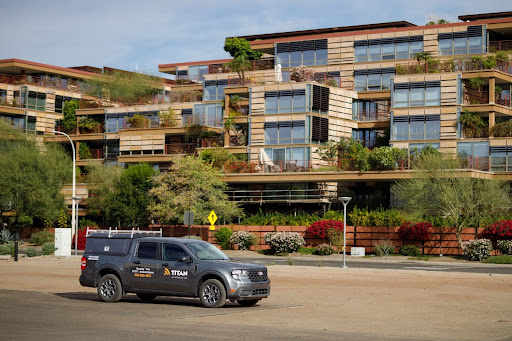
Trusted providers like Titan Alarm help hotels manage and improve their security systems, ensuring fast response and consistent protection.
Additional Best Practices
Hotels can further improve security with these strategies:
Regular Security Audits
Perform routine checks of systems and policies to identify weak points and address them promptly.
Employee Background Checks
Hiring trustworthy staff through proper verification helps maintain a safe environment.
Proper Lighting
Well-lit hallways, parking lots, and entrances deter criminal activity and improve guest safety.
Secure Wi-Fi Networks
Protect guest data and prevent cyber threats with strong passwords and encrypted networks.
Clear Communication
Inform guests about emergency exits, security protocols, and safety features in a friendly and accessible way.
Emergency Drills
Conduct regular fire, evacuation, and emergency drills so both staff and guests are prepared in case of real incidents.
Quick Summary
- Hotel security protects guests, staff, and property
- Uses multiple layers like access control, cameras, alarms, and trained staff
- Strong systems improve guest trust and hotel reputation
- Modern tools like Commercial security systems simplify risk management
- Regular updates, audits, and staff training are essential for effective security
FAQs
1. Why is hotel security important?
It keeps guests and staff safe, prevents theft, and protects the hotel’s reputation.
2. What are common hotel security systems?
Cameras, alarms, key cards, and monitoring tools.
3. How can hotels improve security?
By training staff, upgrading technology, performing regular audits, and enforcing clear policies.
4. Are security cameras enough?
No. Cameras must be combined with staff training, access control, and emergency procedures.
5. Do small hotels need security systems?
Yes. Even small hotels benefit from basic safety measures to protect people and property.
Conclusion
Hotel security is more than just installing cameras or alarms—it is a complete system that combines technology, trained personnel, and effective policies. By implementing best practices, utilizing trusted solutions like Titan Alarm, and maintaining ongoing staff training, hotels can create a safe environment for both guests and employees.