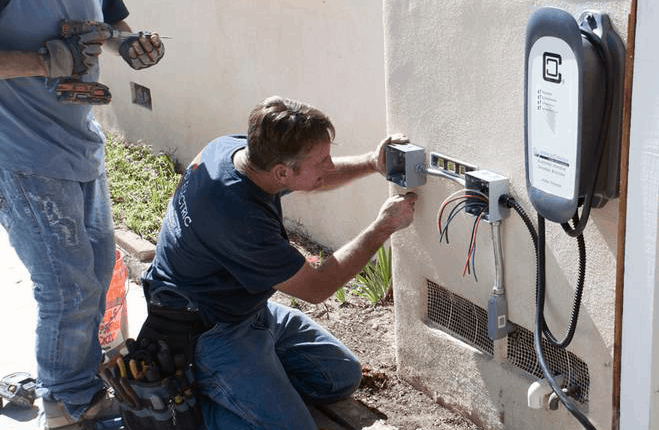
As the world increasingly shifts toward sustainable energy and clean transportation, electric vehicles (EVs) are becoming an essential part of modern life. The adoption of EVs is no longer a niche choice; it has rapidly evolved into a mainstream solution for reducing carbon emissions and promoting environmentally friendly transportation. Alongside this growing trend, the importance of properly installed EV charging infrastructure cannot be overstated. Understanding the process of EV charger installation, the types of chargers available, and the benefits of professional installation is crucial for homeowners, businesses, and institutions looking to support EV adoption efficiently and safely. Investing in a professionally installed charging system not only provides convenience but also ensures that your property meets current and future energy requirements while safeguarding both users and the building’s electrical system.
Proper EV charger installation requires more than simply connecting a charger to an electrical outlet. Modern chargers, particularly Level 2 and DC fast chargers, demand careful consideration of electrical load, wiring, safety standards, and regulatory compliance. A poorly installed system can result in decreased efficiency, safety hazards, or even damage to your vehicle or property. For these reasons, hiring a qualified electrical company with expertise in EV infrastructure is critical. Such companies bring specialized knowledge of load management, panel upgrades, grounding, and permit acquisition, ensuring that your installation is compliant, safe, and optimized for long-term use. A professional approach to installation not only guarantees that your EV charges efficiently but also adds significant value to your property and provides peace of mind for years to come.
Why EV Charger Installation is Critical for Modern Properties
EV charger installation is no longer an optional consideration for EV owners or businesses aiming to attract EV users. With the rapid increase in EV adoption, having reliable charging facilities has become an essential feature for modern homes, workplaces, and commercial properties. Unlike conventional electrical outlets, EV chargers are designed to handle higher loads, provide faster and safer charging, and integrate intelligent safety features such as overcurrent protection, surge control, and fault detection.
The importance of professional installation extends beyond convenience. Safety, efficiency, and compliance are paramount concerns. Electrical systems in many existing buildings were not designed to handle continuous high-load devices like EV chargers. Without proper assessment and upgrades, installing a high-capacity charger could cause overloads, trigger circuit breaker trips, or even lead to fire hazards. Professional installation ensures that your electrical system is adequately prepared, wiring is correctly configured, and all safety measures are in place. In addition, properly installed chargers optimize energy consumption, reduce unnecessary electricity loss, and can be integrated with renewable energy sources such as solar panels to further enhance sustainability.
Furthermore, investing in professional EV charger installation future-proofs your property. As EV adoption continues to rise, homes and commercial properties equipped with certified charging infrastructure become more desirable. For homeowners, this adds resale value, while for businesses, it attracts customers or tenants seeking convenient EV charging. A well-planned installation also anticipates the potential for multiple vehicle chargers, expanding capacity as demand grows. Overall, professional EV charger installation is an investment in safety, efficiency, convenience, and long-term property value.
Types of EV Chargers and Their Applications
Understanding the types of chargers available is essential to choosing the right solution for your property. Chargers differ in voltage, charging speed, installation complexity, and compatibility with different EV models. Choosing the appropriate charger impacts not only convenience but also safety and efficiency.
Level 1 Chargers
Level 1 chargers utilize a standard 120-volt outlet and typically come with the vehicle. These chargers offer a slow charging rate, usually between 2 and 5 miles of range per hour. While convenient for overnight charging or low daily mileage, Level 1 chargers are generally inadequate for long commutes or commercial applications. They are best used as secondary charging solutions rather than primary systems.
Level 2 Chargers
Level 2 chargers operate on 240 volts and provide substantially faster charging, ranging from 10 to 60 miles of range per hour depending on the vehicle and charger capacity. These chargers are the most popular for residential and commercial use because they balance speed, cost, and installation feasibility. Level 2 chargers can be integrated into home garages, workplace parking areas, or public charging stations, offering a flexible and efficient solution for day-to-day charging needs.
DC Fast Chargers
DC fast chargers are designed for rapid charging and are typically installed in commercial, public, or high-traffic areas. They deliver direct current (DC) to the vehicle, bypassing the onboard charger, and can achieve an 80% battery charge in as little as 30 to 60 minutes. Installation of DC fast chargers requires specialized equipment, robust electrical infrastructure, and adherence to stringent safety protocols. Professional installation is critical to manage these complex requirements safely and efficiently.
Emerging Wireless and Smart Chargers
Technological advancements are introducing wireless charging systems that allow vehicles to charge without physical plugs. These systems use inductive charging and require precise installation for proper alignment and efficiency. Additionally, smart chargers with integrated apps and energy management features enable real-time monitoring, scheduling, and optimization of energy consumption. These advanced options provide convenience and efficiency but require professional expertise for correct installation and integration.
Step-by-Step Process of EV Charger Installation
EV charger installation involves multiple steps to ensure that the system is safe, functional, and optimized for the property. Professional electrical companies follow a detailed procedure to guarantee compliance, efficiency, and reliability.
Site Assessment
The process begins with a thorough site assessment. Certified electricians evaluate the existing electrical panel, the capacity of the building’s electrical system, and the optimal location for the charger. They examine the structural environment to determine the safest and most convenient mounting points, assess sunlight exposure if integrating solar systems, and evaluate daily energy requirements based on vehicle type and usage patterns. This stage is crucial to identify potential obstacles and to ensure that the selected charger meets the property’s specifications.
Electrical Panel Upgrades
In many properties, the existing electrical panel may not have sufficient capacity to support EV chargers. Upgrades may include installing a dedicated circuit, adding new breakers, or enhancing panel capacity to accommodate increased loads. Proper grounding, surge protection, and circuit management are also part of the upgrade process. These steps ensure that the system can handle the continuous high load of EV chargers safely, minimizing risks of electrical faults or overheating.
Permits and Regulatory Compliance
EV charger installation often requires permits from local authorities. Certified electrical companies handle the submission of applications, scheduling inspections, and ensuring compliance with building codes and safety regulations. Proper permitting not only guarantees legal compliance but also ensures that the installation meets established safety standards. Attempting to install a charger without the necessary permits can lead to fines, voided insurance, and potential safety hazards.
Charger Installation
Once the panel and permits are ready, the charger is installed. This involves securely mounting the unit, running electrical wiring from the panel to the charger location, connecting breakers and grounding systems, and integrating any smart features or energy management systems. Every step is carefully executed to ensure the system operates safely and efficiently. Professional installation reduces risks and ensures that the charger delivers its full rated capacity.
Testing and Commissioning
After installation, the system undergoes rigorous testing. Electricians verify proper electrical connections, measure charging speeds, check safety mechanisms such as overcurrent protection, and ensure compatibility with the EV. Once these checks are completed, the charger is fully commissioned and ready for regular use. Testing ensures reliability, efficiency, and safety from the very first charge.
Choosing the Right Electrical Company
Selecting the right electrical company is a key factor in the success of your EV charger installation. Professional expertise ensures that every step, from assessment to commissioning, is executed flawlessly.
Experience and Track Record
A company with experience in EV charger installations brings technical knowledge, problem-solving capabilities, and a track record of successful projects. Experienced electricians understand the unique challenges of EV infrastructure, including load balancing, panel upgrades, and safety considerations.
Certifications and Compliance
Certified electricians adhere to industry standards, safety regulations, and electrical codes. Certifications demonstrate competence and ensure that installations are carried out with proper safety precautions. Uncertified providers may attempt shortcuts, leading to inefficiencies, hazards, or non-compliance with local regulations.
Transparent Cost Estimates
Reliable companies provide detailed cost estimates, covering equipment, labor, permits, and potential additional expenses. Clear pricing allows clients to plan their budget effectively and avoid unexpected costs during installation. While affordability is important, prioritizing quality ensures long-term safety and performance.
Customer Support and Maintenance
Ongoing customer support is vital. Professional electrical companies provide guidance before, during, and after installation. Post-installation support may include maintenance, troubleshooting, and upgrades to accommodate additional EVs or smart charging features. Effective communication and support contribute significantly to long-term satisfaction and system reliability.
For comprehensive guidance and professional assistance, you can explore <a href=”https://www.malibupools.org/”>EV charger installation</a> services, which provide expert support from assessment to full system commissioning.
Benefits of EV Charger Installation
Installing a dedicated EV charger offers a range of benefits. It provides convenience, allowing vehicles to charge overnight or during downtime without relying on public charging networks. It ensures faster charging compared to standard outlets, saving time and improving efficiency. Professional installation enhances safety, preventing electrical hazards or property damage. Additionally, EV-ready properties are increasingly attractive to buyers, tenants, and customers, adding long-term value.
Other benefits include integration with renewable energy sources, such as solar panels, for sustainable charging. Smart chargers enable monitoring and scheduling, further optimizing energy use. As EV adoption grows, having a professional charging system positions your property to accommodate multiple vehicles and future technological advancements.
Conclusion
EV charger installation is an essential step for supporting the growing adoption of electric vehicles. Proper installation ensures safety, efficiency, compliance, and long-term performance. By hiring a professional electrical company with experience, certifications, and transparent practices, you can be confident that your EV charging system is installed correctly, functions reliably, and meets current and future needs. A professionally installed charger not only provides convenience but also adds significant value to your property and contributes to a sustainable, environmentally responsible future.