Decks are an essential feature of many homes, providing an outdoor area where families can gather, entertain guests, and enjoy fresh air. Over time, decks are exposed to constant wear and tear from weather, moisture, sunlight, and regular use. Even decks constructed with high-quality materials can degrade, lose their aesthetic appeal, or develop structural problems that compromise safety. When maintenance and minor repairs are no longer sufficient, Deck Replacement becomes the most effective solution. Replacing a deck not only restores its functionality and safety but also provides an opportunity to upgrade materials, design, and features to better suit modern lifestyles and enhance the home’s overall value.
Deck Replacement is a major home improvement project, and proper planning, execution, and follow-up maintenance are critical to ensuring long-lasting results. A thoughtfully designed and professionally installed deck enhances your outdoor living experience, complements your home’s architecture, and ensures that your outdoor space remains safe and enjoyable for years to come.
Signs That Indicate Your Deck Needs Replacement
Identifying the right time for deck replacement can prevent serious safety hazards and save money over the long term. While minor repairs may suffice for small issues, some signs clearly indicate that replacement is the better option. One of the most obvious indicators is extensive structural damage. When support beams, joists, or posts show signs of rot, decay, or sagging, the deck’s integrity is compromised, and repairs alone may not restore stability. Similarly, widespread wood decay, persistent mold growth, or termite damage indicates that the existing materials have deteriorated beyond repair.
Another indicator is chronic maintenance issues. If your deck frequently requires board replacement, tightening fasteners, or other recurring fixes, these problems can accumulate, leading to increased costs over time. Additionally, an outdated deck design that no longer meets your functional or aesthetic needs may justify a replacement. Modern deck materials and layouts can improve durability, usability, and the overall visual appeal of your home, making a deck replacement project a worthwhile investment.
Planning Your Deck Replacement Project
Planning is a critical phase of any Deck Replacement project and involves careful consideration of your needs, budget, and design preferences. The first step is to determine how you intend to use the new deck. Will it primarily serve as a space for outdoor dining, entertaining large groups, or providing a quiet retreat? The intended purpose influences decisions about the deck’s size, layout, and any additional features you may want, such as seating areas, pergolas, or built-in planters.
Budgeting is another essential aspect. Deck replacement costs vary depending on the materials chosen, the complexity of the design, and labor charges. Setting a realistic budget allows you to prioritize the features and materials that matter most while avoiding unforeseen expenses during construction. It is also important to check local building codes and acquire the necessary permits. Decks, particularly elevated structures, must meet safety standards and comply with regulations, including proper railing height, load-bearing specifications, and stair construction. Engaging a professional for Deck Replacement ensures that all legal and safety requirements are met.
Selecting the Best Materials for Your New Deck
Choosing the right materials is critical for the durability, maintenance, and visual appeal of your deck. Traditional wood remains popular due to its natural beauty and versatility. Options such as cedar, redwood, and pressure-treated lumber provide aesthetic warmth and strength but require regular maintenance to prevent moisture damage, insect infestations, and fading over time.
Composite decking is an increasingly popular alternative. Made from a combination of recycled wood fibers and plastic, composite materials offer superior durability and low maintenance. They resist rot, warping, fading, and insect damage, making them ideal for homeowners seeking a long-lasting solution. PVC decking, though less common, provides excellent resistance to moisture and stains while remaining lightweight and easy to maintain. Aluminum decking, while more costly, offers unmatched durability, resistance to rust and decay, and a modern aesthetic suitable for contemporary designs.
Selecting materials should align with your priorities, whether they include low maintenance, long-term durability, aesthetic appeal, or environmental sustainability. Working with a professional Deck Replacement contractor can help determine the ideal materials for your home’s climate, style, and functional requirements.
Design Considerations for Your New Deck
Replacing a deck offers a unique opportunity to reimagine the design and improve both functionality and visual appeal. The layout should reflect the primary use of the deck, whether for social gatherings, relaxation, or dining. Thoughtful planning ensures smooth flow, convenient access, and optimal utilization of available space. Safety considerations are equally important. Incorporating sturdy railings, non-slip surfaces, and adequate lighting enhances both security and usability, particularly in homes with children or elderly residents.
Aesthetic elements play a significant role in the success of a deck replacement. Material color, finishes, and structural style should complement the home’s exterior and surrounding landscape. Additional features such as integrated seating, built-in planters, outdoor lighting, and shade structures can elevate the deck’s functionality and create a more inviting outdoor environment. A professional Deck Replacement service can help balance style, functionality, and safety to create a deck that perfectly fits your needs and enhances the property’s overall appearance.
The Deck Replacement Process
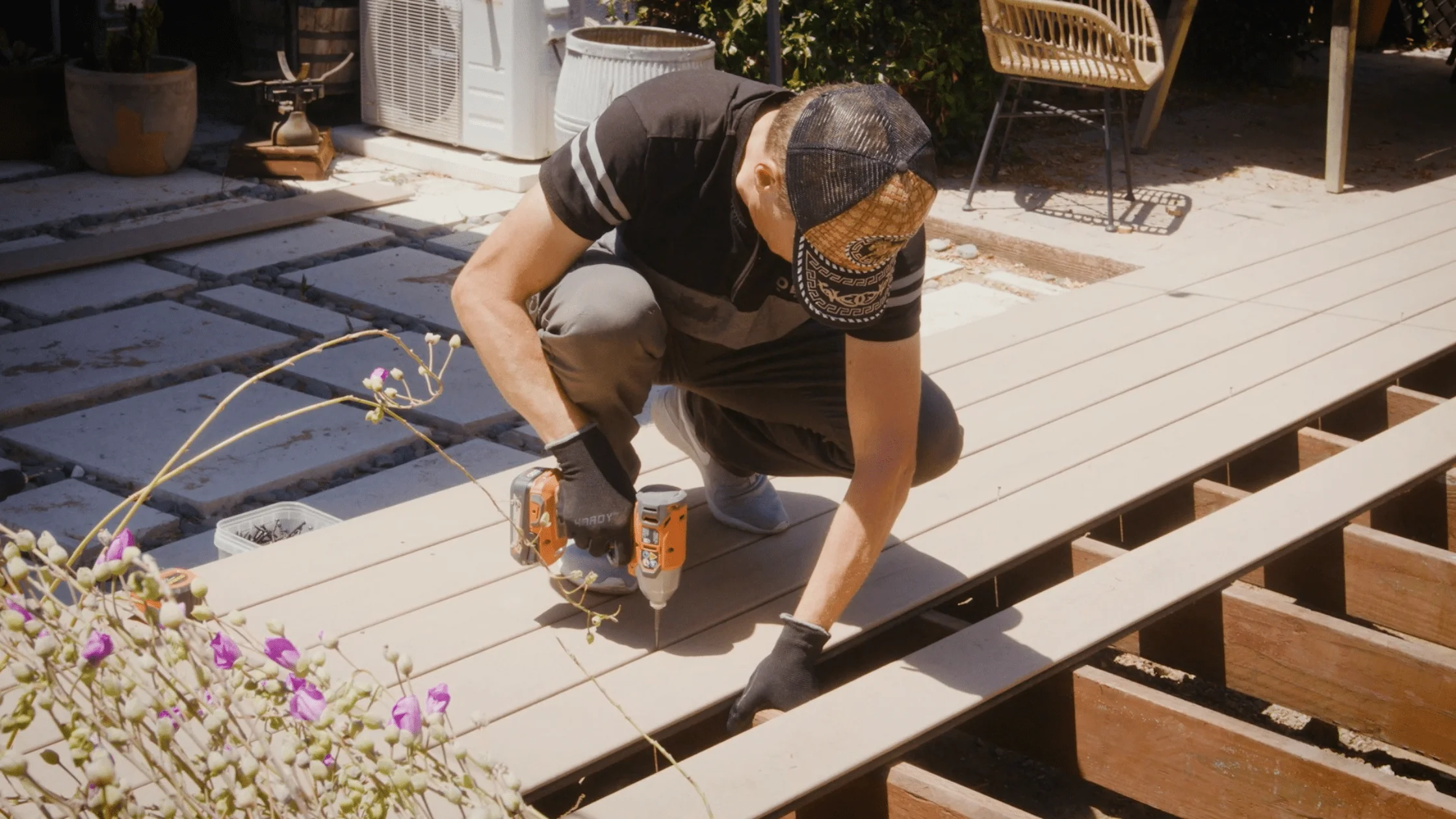
Replacing a deck involves a structured process to ensure that the new structure is durable, safe, and visually appealing. The process typically begins with removing the old deck, which includes dismantling boards, railings, and structural components, and properly disposing of damaged materials. Site preparation follows, involving grading, leveling, and inspecting the foundation to confirm that it can support the new deck.
Next, the structural framework is constructed, including posts, beams, and joists, providing the foundation for decking boards. The boards are then installed with precision to ensure stability, smooth surfaces, and proper spacing for water drainage. Finally, finishing touches such as railings, stairs, lighting, and protective coatings are applied. By following this systematic approach, a professional Deck Replacement contractor guarantees that the new deck meets industry standards for safety, durability, and aesthetics.
Advantages of Replacing Your Deck
Investing in a deck replacement offers numerous benefits. Safety is paramount, as a new deck eliminates hazards caused by rotting wood, unstable railings, and compromised structural supports. Modern materials and construction techniques also enhance durability, reducing the need for frequent repairs and ensuring long-term performance.
Aesthetic improvements are another major advantage. Replacing an outdated deck allows homeowners to refresh the design, incorporate new features, and create a more visually appealing outdoor space. From a financial perspective, a new deck increases property value, improves curb appeal, and makes the home more attractive to potential buyers. Functional enhancements such as improved layouts, integrated seating, or better accessibility further enhance the enjoyment of the outdoor space.
Maintenance Tips for a New Deck
Even after a complete deck replacement, ongoing maintenance is crucial to preserve the deck’s longevity and appearance. Regular cleaning to remove dirt, debris, and organic matter prevents mold and mildew buildup. Protective treatments such as stains, sealants, or coatings extend the life of wood and composite materials by shielding them from UV damage, moisture, and wear.
Routine inspections help identify issues such as loose fasteners, damaged boards, or signs of wear before they escalate into major problems. Ensuring proper drainage and water runoff prevents moisture from accumulating and causing damage over time. Adhering to these maintenance practices ensures that your newly replaced deck remains safe, attractive, and functional for years to come.
Conclusion
Deck Replacement is a critical solution for homeowners whose decks have deteriorated beyond repair or no longer meet functional and aesthetic requirements. By understanding the signs that indicate replacement, planning the project carefully, selecting appropriate materials, and incorporating thoughtful design elements, homeowners can transform their outdoor space into a durable, safe, and visually appealing area.
A professionally executed deck replacement not only enhances the quality of outdoor living but also protects your investment, increases property value, and creates an enjoyable space for family, friends, and guests. Regular maintenance and preventive care further ensure that your new deck remains a beautiful and lasting feature of your home for many years. Replacing your deck is not merely about restoring functionality; it is an opportunity to elevate the outdoor experience, improve safety, and enhance the overall appeal and value of your property.