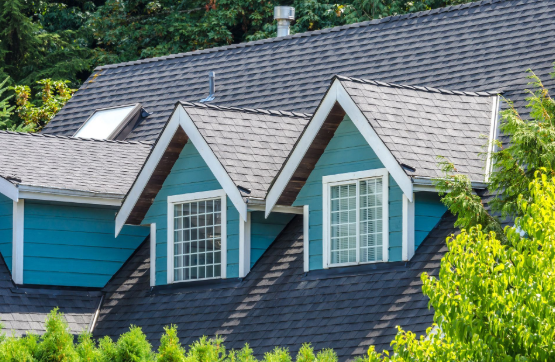
A customized tile roof will not only improve the beauty of the roof but also offer protection from unfavorable climate conditions. Moreover, it enhances the energy efficiency of the house along with giving you curb appeal that lasts a lifetime. However, the selection of the best-suited roof is not just limited to picking the best-looking one. There are different things involved for each individual roof according to their respective needs and architecture.
1. Start with Your Home’s Structural Capacity
Before comparing materials or colors, the roof structure should be evaluated. The handcrafted roofing shingles will definitely weigh more than the normal asphalt shingles, thus making the strength of the structure a top priority.
Exploring specialty roofing options in Denver, CO, begins with understanding whether the existing roof structure can handle the weight and requirements of the selected material. Working with a trusted speciality roofing company in Denver can simplify the process and help avoid costly mistakes.
The weight of clay and concrete tiles varies from 8 to 12 pounds per square foot, while the weight of the lighter materials, such as stone-coated steel or composite tiles, could be as low as 1.5 pounds per square foot.
Moving Beyond Weight
The first step in finding the proper material for the roof is selecting the appropriate tiles for the given climate.
2. Match the Roofing Material to the Climate
Every climate presents different challenges, and the right custom tile roof should protect throughout every season.
In regions of high temperature and sunlight, roof tiles are advantageous since they act as insulators. White roof tiles of white color would reflect sunlight and reduce the costs of cooling in the summertime.
Regions with cold temperatures require roof tiles that are durable when exposed to freezing temperatures continuously. Densely made concrete tiles are reliable since they do not crack because of the expansion of water.
Areas that have winds and hailstorms will need roof tiles that have high impact resistance. Stone-coated steel and interlocking concrete tiles are more durable in such environments.
Choosing Performance Alongside Appearance
A beautiful roof should also deliver dependable performance. Choosing the appropriate materials means that the roof will continue serving its purpose and look good for decades.
3. Compare the Most Popular Custom Tile Materials
Material selection is perhaps the key element in the process of choosing a tile roof. Each material comes with unique benefits in respect of durability, maintenance, aesthetic appeal, and longevity. Those looking for custom tile roofs in Denver tend to weigh all these aspects carefully in their search for the perfect roofing system.
Clay Tiles
Clay is still among the best-known roof types due to their timeless design and long-lasting nature. Colors do not fade away, and clay roof installations may last from 50 to 100 years. In addition, clay roofs require low maintenance; however, they need more money for installation and are quite heavy.
Concrete Tiles
Versatility is the strength of the use of concrete tiles by homeowners who wish to experiment with different architectural styles. Concrete tiles come in different shapes, such as flat, barrel, and S-shaped. The tiles are strong enough to last for about 30-50 years. Also, they do not catch on fire.
Stone-Coated Steel Tiles
Steel tiles represent a case where modern technology is paired with a traditional look since these tiles possess some improved characteristics like toughness and durability. Steel roof tiles are highly shockproof and resistant to any type of weather condition and can last for about 40 to 70 years. In addition, as steel roof tiles are very light, they can be installed on houses that cannot have very heavy roofs.
Composite Tile Options
There is an increased demand for composite roof materials since they look like real tiles but are lighter and easier to install. Besides, some composite roof materials come with improved impact resistance and low maintenance costs during their lifetime.
Bringing Material Choices Together
The best material should be chosen based on weighing the budget, aesthetic considerations, structural considerations, and maintenance considerations as opposed to relying on one aspect alone.
4. Consider Roof Pitch and Architectural Style
It should be noted that not all types of roofing tiles are good for all kinds of roofing designs. In fact, roof slopes have a big influence on choosing materials.
For steeper roofs, any type of roofing can work very well, as most roofing designs will look great and help drain rainwater efficiently.
For roofs with small slopes, it is advisable to use interlocking tiles with a low profile, as it prevents water accumulation underneath the tiles.
Apart from the roof slope, the architectural style also plays a major part in choosing tiles. The appropriate tiles for Mediterranean, Spanish Colonial, or Southwestern-style houses include clay and barrel types, while flat-profile concrete or composite tiles work best for modern architectural styles.
5. Balance Long-Term Value with Maintenance
The initial cost must not be the sole determinant when considering the choice. A more durable roofing system that entails fewer repairs is more advantageous in most cases.
Before reaching any conclusion regarding the roofing system to use, it will be prudent to evaluate the cost of installation together with its longevity and energy-saving capacity. The better the quality of the material used, the more expensive the process of installing it is, but the less expensive the maintenance becomes.
Inspections, repairs to any damaged tile pieces, and cleaning of roof valleys are significant activities that help keep your roof intact for a considerable period of time.
Making the Right Investment for the Future
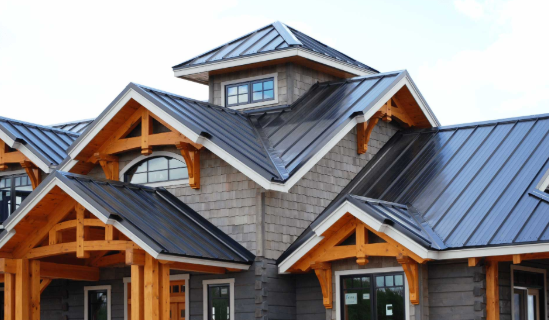
A good custom tile roof should be an aesthetically appropriate roof, which is also reliable enough to protect the house under all kinds of weather conditions. The best option can be found after a thorough analysis of structural integrity, climate requirements, materials used for a roof, and its design.
The decision made based on aesthetics alone will not lead to the most optimal choice, like the one made by Elite Construction as opposed to other companies like GAF-certified roofing or DaVinci Roofscapes contractors.
In addition, a correctly selected custom tile roof turns out to be a long-lasting investment. Proper analysis of all relevant factors will help to create a durable, efficient, and aesthetic roof in the end.