Understanding the Value of Basement Remodeling
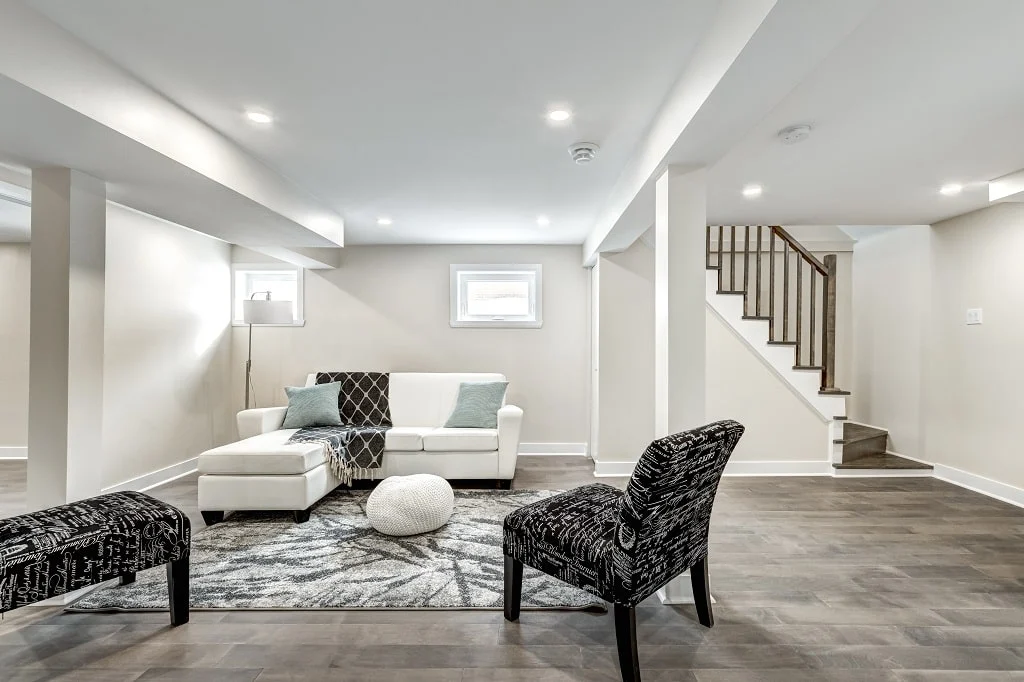
Basements are often overlooked areas of a home, considered storage spaces or utility zones, yet they hold immense potential for transforming the overall functionality and aesthetic appeal of a house. With careful planning and thoughtful design, basement remodeling can turn an underutilized area into a vibrant, functional, and comfortable part of the home. Homeowners seeking to maximize living space, increase property value, or create additional rooms for family activities often find that remodeling the basement is one of the most effective ways to achieve these goals. A well-designed basement remodel considers not only aesthetics but also structural integrity, moisture control, lighting, ventilation, and safety, ensuring that the finished space is practical, inviting, and durable for years to come.
Basement remodeling extends beyond simply finishing walls and adding flooring. It involves evaluating the space for potential issues such as water intrusion, inadequate insulation, low ceilings, or outdated electrical and plumbing systems. These factors play a crucial role in determining the design and construction methods used during remodeling. The goal is to create a basement that functions as an integral part of the home rather than a neglected lower-level space. By incorporating durable materials, modern design concepts, and efficient layouts, homeowners can transform their basement into a multi-purpose area that supports entertainment, work, relaxation, or additional living quarters, all while adding significant value to their property.
Assessing the Need for Basement Remodeling
Deciding to remodel a basement requires an honest assessment of both the physical space and the family’s lifestyle needs. Many homeowners choose to remodel basements because they are poorly utilized, cluttered, or in need of repair due to water damage, mold, or outdated finishes. Others are motivated by the desire to create functional living areas such as home theaters, recreation rooms, guest suites, or office spaces. Assessing the structural integrity of the basement, including foundation stability, floor and wall conditions, and ceiling height, is a critical step before planning the remodel. Additionally, evaluating current electrical and plumbing systems ensures that the space can support the intended functionality, whether it is a bathroom, kitchenette, or laundry area. A proper assessment guarantees that the remodel addresses existing deficiencies while creating a safe, comfortable, and modern living environment.
Basement remodeling also provides an opportunity to address long-term home needs. Families often require additional space for children, home offices, or entertainment, and transforming a basement can offer these solutions without expanding the footprint of the house. Considering both immediate requirements and future growth ensures that the remodel remains functional and valuable for years to come. Homeowners who invest in basement remodeling gain not only a more usable space but also an increase in overall home appeal, market value, and quality of life.
Planning a Successful Basement Remodel
Effective basement remodeling begins with meticulous planning. This involves developing a detailed vision for the remodel, identifying objectives such as creating a home theater, a guest suite, a gym, or a playroom, and determining how the remodel will integrate with the existing layout and systems of the house. Planning also includes addressing common basement challenges, such as moisture control, ventilation, and lighting, which are essential for creating a healthy and comfortable environment.
Budgeting is a critical component of planning, as basement remodeling can vary significantly in cost depending on the scope, materials, and level of customization. Establishing a realistic budget that includes contingencies for unforeseen issues ensures that the project can proceed without compromise. Working with experienced remodeling contractors provides homeowners with guidance on design, material selection, structural improvements, and code compliance, ensuring that the project meets safety standards and achieves the desired outcome. Contractors also manage timelines and coordinate construction phases, which reduces disruptions and ensures that the remodel is completed efficiently and professionally.
Core Elements of Basement Remodeling
A successful basement remodel incorporates several interrelated elements that enhance both functionality and aesthetics. Structural improvements may include reinforcing foundations, leveling floors, or adding support beams to allow for open layouts or additional rooms. Moisture management is critical, and this often involves installing proper drainage, sump pumps, or waterproofing systems to prevent water intrusion and mold growth. Proper insulation, ventilation, and heating solutions ensure that the basement remains comfortable year-round.
Design considerations play a key role in the remodeling process. Flooring materials must be durable and moisture-resistant, while walls and ceilings should complement the intended use of the space. Lighting strategies, including a combination of ambient, task, and accent lighting, are essential for making basements feel bright and welcoming despite limited natural light. Incorporating modern finishes, cabinetry, and functional storage solutions enhances usability and visual appeal. Plumbing upgrades are often required for full bathrooms, wet bars, or laundry areas, while electrical improvements allow for adequate outlets, appliance support, and integration of home technology systems.
Choosing Materials and Finishes for Longevity
Material selection in basement remodeling requires careful consideration due to potential moisture exposure and limited natural light. Flooring options such as vinyl planks, ceramic tile, engineered wood, or sealed concrete provide durability and resistance to wear while maintaining aesthetic appeal. Wall finishes may include moisture-resistant drywall, paneling, or painted surfaces, combined with strategic lighting to create an inviting ambiance. Cabinets, countertops, and other fixtures should be made from durable materials that withstand humidity and daily use. Thoughtful material and finish selection ensures that the remodeled basement remains functional, stylish, and low-maintenance over time, providing a space that is both practical and visually cohesive.
Benefits of Basement Remodeling
Undertaking basement remodeling provides numerous advantages that extend beyond the immediate improvement of the space. Functionally, it creates additional living areas that can accommodate family activities, hobbies, home offices, or guest accommodations, improving the overall usability of the home. A remodeled basement offers flexible spaces that can be adapted to changing lifestyle needs, supporting both current and future requirements. From an aesthetic perspective, a thoughtfully designed basement enhances the home’s interior appeal, creating a cohesive, modern, and welcoming environment that complements the rest of the house.
Financially, basement remodeling is a strategic investment. By transforming unused or underutilized space into functional living areas, homeowners increase the value and marketability of their property. Energy-efficient upgrades and proper insulation reduce heating and cooling costs, providing ongoing savings while improving the comfort and efficiency of the home. Additionally, remodeling a basement can prevent costly repairs associated with water damage, mold, or structural deterioration, protecting the home and investment over time.
Maintaining Your Remodeled Basement
After completing a basement remodel, ongoing maintenance is essential to preserve the quality, safety, and functionality of the space. Regular inspections and preventive care, including monitoring for moisture intrusion, checking for leaks, cleaning HVAC systems, and maintaining plumbing, ensure that the basement remains healthy and fully functional. Proper care of flooring, walls, fixtures, and finishes helps maintain both durability and appearance. Addressing minor issues promptly prevents long-term damage and extends the lifespan of the remodel, protecting both the investment and the comfort of the home.
Conclusion
A professionally executed basement remodeling project transforms a previously underutilized area into a versatile, comfortable, and aesthetically appealing living space. By carefully planning the remodel, addressing structural and moisture challenges, selecting durable materials, and integrating thoughtful design elements, homeowners can create a basement that meets both functional and lifestyle needs. The remodel enhances the overall value of the home, provides additional living areas, and supports modern living requirements while creating a space that is safe, durable, and visually inviting.
A well-planned basement remodel provides long-lasting benefits, including increased property value, improved energy efficiency, and expanded functionality, all of which enhance the quality of life for the occupants. By approaching the project comprehensively and incorporating professional expertise, homeowners can ensure that their remodeled basement remains a valuable, attractive, and functional part of their home for many years. Engaging in basement remodelling is not just about finishing walls and floors; it is about creating a versatile living environment that supports daily activities, accommodates future needs, and transforms the home into a space that is both beautiful and practical.