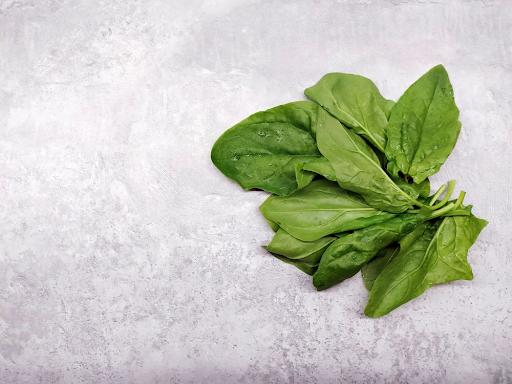
Spinach has long been associated with iron. Many people who learn they have low iron levels immediately start adding more spinach to their meals. While this leafy green contains important nutrients, there are several misunderstandings about its role in supporting healthy iron levels. These misconceptions often prevent people from getting the results they expect.
The topic of why spinach is bad for iron absorption has gained attention because nutrition research shows that iron content alone does not determine how much iron the body can actually use. Understanding the common mistakes people make with spinach can help improve dietary choices and support better nutrient absorption.
Why Spinach Became Known as an Iron Rich Food
For decades, spinach has been promoted as a food packed with iron. This reputation encouraged many people to view it as one of the best options for preventing iron deficiency.
Although spinach does contain iron, the story is more complicated. The body must absorb iron from food before it can be used for important functions such as oxygen transport and energy production.
Many people focus only on the amount of iron listed in nutrition data while overlooking the factors that affect absorption.
Mistake 1: Assuming All Iron Is Absorbed Equally
One of the biggest misconceptions is believing that all dietary iron behaves the same way.
There are two main forms of iron found in food:
- Heme iron
- Non heme iron
Heme iron comes from animal based foods and is generally absorbed more efficiently. Non heme iron comes from plant foods, including spinach.
Since spinach contains non heme iron, the body naturally absorbs a smaller percentage compared to heme iron sources. This is one reason discussions about spinach and iron absorption continue among nutrition experts.
Mistake 2: Ignoring the Effect of Oxalates
Another common mistake is overlooking the presence of oxalates.
Spinach contains high levels of naturally occurring compounds known as oxalates. These substances can bind to iron during digestion and make it more difficult for the body to absorb.
The role of oxalates in spinach is the primary reason many people question spinach as a reliable solution for low iron levels.
When oxalates attach to iron, a significant portion of the mineral may pass through the digestive system without entering the bloodstream.
As a result, consuming large quantities of spinach does not always lead to improved iron status.
Mistake 3: Depending Only on Spinach
Some individuals believe that eating spinach every day is enough to correct low iron levels.
This approach can be limiting because a healthy iron strategy typically involves multiple food sources. Depending on one food alone may reduce dietary variety and make it harder to meet nutritional needs.
People seeking better iron intake should include foods such as beans, lentils, poultry, fish, lean meat, pumpkin seeds, and fortified cereals alongside leafy greens.
A balanced approach is often more effective than relying solely on spinach.
Mistake 4: Skipping Vitamin C Rich Foods
Vitamin C plays a valuable role in helping the body absorb non heme iron.
Many people eat spinach without including foods that support iron uptake. This can reduce the amount of iron the body ultimately absorbs.
Good sources of vitamin C include:
- Oranges
- Strawberries
- Bell peppers
- Tomatoes
- Kiwi
Combining spinach with these foods is one of the best methods for improving iron absorption naturally.
A spinach salad topped with tomatoes and bell peppers may provide better results than spinach alone.
Mistake 5: Drinking Tea or Coffee With Meals
Tea and coffee are popular beverages, but they can interfere with iron absorption.
These drinks contain compounds that can reduce the body’s ability to absorb non heme iron from plant based foods.
Someone who eats a spinach rich meal and immediately drinks tea may absorb less iron than expected.
This is why many nutrition professionals recommend separating tea and coffee from iron focused meals.
Understanding foods that block iron absorption can make a meaningful difference in overall nutrient intake.
Mistake 6: Believing Raw Spinach Is Always Better
Raw spinach is commonly viewed as the healthiest option, but that is not always true when discussing iron availability.
Cooking spinach can reduce some of its oxalate content. While cooking does not eliminate oxalates entirely, it may improve the availability of certain nutrients.
Both raw and cooked spinach can fit into a healthy diet, but many people incorrectly assume that raw spinach automatically provides the greatest nutritional benefit.
Mistake 7: Overlooking Other Iron Rich Foods
People often focus so heavily on spinach that they ignore foods that may provide iron more efficiently.
Examples include:
- Lean beef
- Chicken liver
- Lentils
- Chickpeas
- Tofu
- Pumpkin seeds
- Iron fortified cereals
These foods can contribute significantly to daily iron intake and may support better results when included as part of a varied eating pattern.
The relationship between iron deficiency and spinach becomes clearer when people compare spinach with other dietary sources that have fewer absorption barriers.
What Spinach Does Well
Despite the concerns surrounding iron absorption, spinach remains a highly nutritious food.
It supplies:
- Vitamin K
- Folate
- Vitamin A
- Magnesium
- Antioxidants
- Fiber
These nutrients support many aspects of health. The purpose of discussing why spinach is bad for iron absorption is not to discourage spinach consumption. Rather, it helps people understand its limitations when iron intake is the primary goal.
Spinach deserves a place in many healthy diets, but it should not be viewed as a complete solution for improving iron levels.
Better Meal Combinations for Iron Intake
Pairing foods strategically can improve nutrient absorption.
Some practical examples include:
Spinach and Bell Pepper Salad
The vitamin C from bell peppers may help increase iron absorption from spinach.
Lentil Curry With Tomatoes
Lentils provide iron, while tomatoes add vitamin C.
Grilled Chicken With Leafy Greens
Chicken contributes highly absorbable iron and protein, creating a balanced meal.
Bean Bowl With Fresh Citrus
Adding citrus fruits can help the body utilize iron from beans more effectively.
These combinations can support individuals who want to increase dietary iron without relying on a single ingredient.
Choosing Reliable Nutrition Information
Nutrition advice often changes as research expands. It is helpful to consult trustworthy sources that focus on balanced dietary recommendations rather than popular myths. For readers interested in healthy eating ideas and nutrient focused food choices, IndianWellnessFoods.com offers useful information on incorporating wholesome ingredients into everyday meals.
Final Thoughts
Many people are surprised to learn that spinach is not always the iron powerhouse it is often portrayed to be. The presence of oxalates in spinach can limit iron absorption, making it less effective than many assume.
The most common mistakes include relying solely on spinach, ignoring vitamin C, overlooking other iron rich foods, and consuming beverages that reduce absorption during meals.
Understanding why spinach is bad for iron absorption helps create a more realistic view of how the body uses nutrients. By paying attention to spinach and iron absorption, learning about foods that block iron absorption, recognizing the connection between iron deficiency and spinach, and applying strategies for improving iron absorption naturally, individuals can make more informed dietary decisions and support better overall nutrition.