Stroke recovery does not simply end when a patient leaves the hospital and heads home. The weeks that follow can bring new challenges as people adjust to changes in movement, communication, routines, and independence. PAM Health recognizes this period as an important part of the recovery journey, especially when patients are learning how to manage life after intensive treatment. Having the right support and rehabilitation plan can make this transition feel less overwhelming. It can also help patients and their families approach the next stage with greater confidence.
Why the Weeks After Discharge Matter
Going home after a stroke can feel like a major milestone, but it does not mean recovery is finished. Patients may still be dealing with weakness, fatigue, communication difficulties, medication changes, or challenges with everyday activities. Having continued support during these early weeks can help patients adjust to life at home while staying focused on steady progress.
Recovery Does Not Stop at the Hospital Door
Leaving the hospital is an important step, but stroke recovery continues through the routines and challenges patients face at home. Continuing therapy, practicing recommended exercises, and gradually working on everyday tasks can help build strength and independence over time. Even small improvements can make a meaningful difference when they are consistently built into daily life.
The Challenges Patients May Face at Home
Returning home after a stroke can feel comforting, but it can also bring challenges that are easier to overlook while receiving structured care. Everyday activities may suddenly require more effort, patience, and support as patients continue adjusting to changes in their abilities.
Managing New Physical Limitations
Weakness, balance problems, and reduced coordination can make simple movements feel surprisingly difficult after a stroke. Getting out of bed, walking through the house, or reaching for something on a shelf may require extra care. Taking things slowly and following recommended exercises can help patients gradually become more comfortable with these activities.
Adjusting to Everyday Routines
Tasks that once happened without much thought, such as bathing, dressing, eating, or preparing a meal, may take longer during recovery. Patients may need to find new ways to complete these activities while working within their current abilities. Having family members or caregivers provide the right amount of assistance can offer support without taking away opportunities to regain independence.
Keeping Up with Medications and Follow-Up Care
Managing medications and medical appointments can become another responsibility during the transition home. It may help to keep a clear schedule, use reminders, and make sure everyone involved understands the care plan. Staying organized can make it easier to follow recommendations and communicate concerns during follow-up visits.
Recognizing Changes in Health
Patients and caregivers may naturally wonder whether a new symptom is simply part of recovery or something that needs immediate attention. Paying attention to noticeable changes and knowing when to contact a healthcare professional can provide an important layer of safety. When something feels unusual or significantly different, it is better to seek appropriate medical guidance rather than ignore the concern.
The Role of Continued Rehabilitation
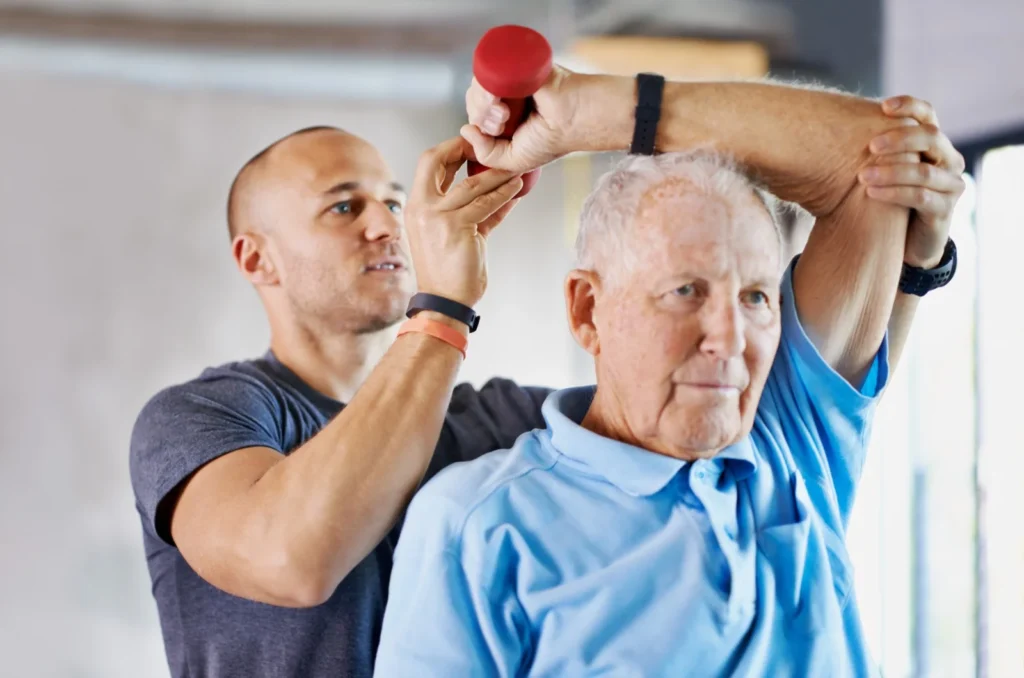
Continued rehabilitation can help patients keep building on the progress they made during their initial recovery. Physical, occupational, and speech therapy may address different challenges, from movement and balance to communication and everyday activities. Keeping up with recommended therapy can help patients gradually regain confidence and become more independent at home.
Building Confidence Before Going Home
Having the chance to rehearse the routine tasks of daily living in an encouraging rehab environment may make readying to go home less daunting. As they work through familiar tasks in a rehab setting, patients may get a sense of their capacities, learn a little about where they could use help, and feel more at ease when they finally leave rehab.
Supporting Caregivers During the Transition
Caregivers can be a substantial presence while patients adapt to life in the home following a stroke. Acclimating oneself to helping out with day-to-day activities and monitoring medication regimens and adhering to therapy advice can lighten any burden experienced in the transition. Caregivers should also be mindful that they need support to maintain their own health during this overwhelming time.
Making the Home Environment Safer
A stroke at home is still home. But it often seems very different after having a stroke. There are some simple modifications that can make getting around easier from day-to-day, and help provide patients and carers with reassurance for the future.
Reduce Fall Hazards
Loose rugs, cluttered walkways, and poorly placed furniture can create unnecessary obstacles for someone who has difficulty with balance or mobility. Keeping floors clear and making sure commonly used paths are easy to navigate can help reduce the chance of falls. Good lighting throughout the home can also make it easier to see obstacles, particularly at night.
Make Everyday Items Easier to Reach
Commonly accessed items should be stored within reach of the patient to avoid excessive bending, stretching, reaching and even climbing. Some simple modifications to the kitchen, bedroom, and bathroom will help transform their daily activities. Retrieval of items within arm’s length could enable the patient to do more tasks independently as their function improves.
Consider Bathroom Safety
Bathrooms can be mainly difficult to navigate, as wet slippery surfaces may be dangerous. Grab bars, nonslip surfaces and suitable seating may offer extra support for entering and exiting the bath/shower or moving around the bathroom. Specific safety recommendations can be discussed with patients and caregivers with the patient’s rehabilitation team.
Knowing When Recovery Needs More Attention
It is common to have good days and bad days during stroke recovery but differences that are obvious or out of the ordinary should not be ignored. If the patient is having difficulties, new issues, or is concerned about their adjustment, making contact with the treatment team can assist in deciding an appropriate approach.
Conclusion
Stroke recovery does not end at discharge, and the weeks at home can be an important part of rebuilding strength, confidence, and independence. With continued rehabilitation, caregiver support, and a safer home environment, patients can approach this stage with greater preparation and peace of mind. PAM Health’s focus on inpatient stroke rehabilitation highlights why planning for life after discharge matters just as much as the progress made during treatment.