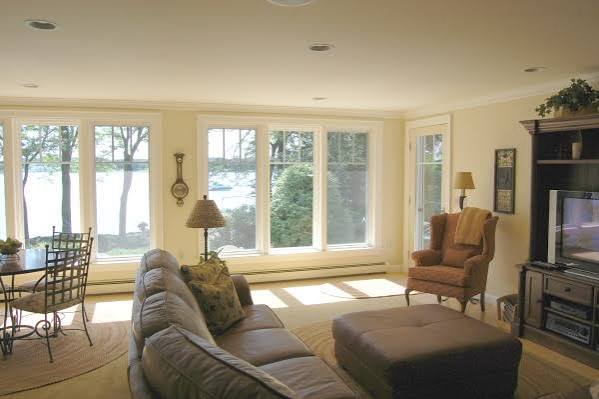
A living room addition is one of the most transformative home improvement projects you can take on. Whether you’re expanding to accommodate a growing family or creating a more open space for entertaining, a well-designed addition can dramatically improve both your lifestyle and your home’s value. But success depends on planning carefully and avoiding the common missteps when expanding your home.
From design and layout to permits and materials, there are a lot of moving parts. The more thought you put into the early stages, the smoother the process will be. Here’s a breakdown of what to consider before you pick up a hammer or hire a contractor.
Define the Purpose of the New Space
Start by asking yourself why you’re adding to your living room. Your goals will guide every decision that follows, from the size and shape of the space to its layout and functionality.
- Do you need more room for everyday family living?
- Are you looking to create a formal entertaining area?
- Will the addition serve multiple purposes like a reading nook or play space?
- Are you hoping to increase natural light or improve traffic flow?
Understand Local Zoning and Permit Requirements
Before you begin sketching ideas, check your city or county’s building codes. There may be regulations about how close you can build to your property line, what types of structures are allowed, and which permits are required.
- Contact your local building department to ask about permit requirements
- Understand zoning limitations that might restrict the size or placement
- Be aware of HOA rules if you live in a governed neighborhood
- Factor in the time and cost of inspections and permits
Match the Architecture and Style of Your Home
Your new living room should feel like it’s always been part of the house. A seamless blend between the existing structure and the addition is key to both visual appeal and long-term value.
- Use the same roofline and exterior materials when possible
- Match window styles, trim, and paint colors for cohesion
- Consider symmetry and how the new space aligns with existing rooms
- Avoid designs that create awkward or disjointed transitions
Think Through Natural Light and Window Placement
Adding space without considering lighting can lead to a dim, uninspiring result. Be intentional about how light enters the space and how it will feel throughout the day.
- Add large windows or sliding doors to maximize daylight
- Position windows to frame outdoor views when possible
- Use skylights if side wall windows aren’t an option
- Plan your furniture layout to take advantage of natural light
Plan for Heating, Cooling, and Electrical Needs
Comfort is just as important as beauty. Your addition must be well-integrated into your home’s existing HVAC and electrical systems to avoid uneven temperatures or power issues.
- Talk to a professional about extending your HVAC system
- Consider energy-efficient insulation and windows
- Add extra outlets, lighting, and wiring for entertainment systems
- Make sure the breaker panel can handle the added load
Determine How It Will Connect to the Existing Home
One of the trickiest parts of any home addition is creating a smooth and natural connection to the existing space. This involves both structural and design considerations.
- Decide whether the addition will extend off the side, rear, or corner
- Align floor levels and ceiling heights for a seamless feel
- Choose flooring that blends or complements the current material
- Think about traffic flow and how people will move through the space
Set a Realistic Budget and Timeline
Living room additions often cost more and take longer than expected. Being upfront and honest about your budget helps you avoid stress and costly changes later on.
- Factor in architectural fees, permits, materials, and labor
- Always leave room in your budget for unexpected costs
- Ask contractors for a realistic timeline with milestones
- Be prepared for disruptions during the construction process
Well-Planned Addition is Worth the Effort
A living room addition can completely change how your home looks and feels. Done well, it adds square footage, improves comfort, and becomes a new favorite space for making memories. But the key is careful planning. By considering your goals, budget, design details, and local regulations, you’ll set the stage for a successful build and an investment that adds lasting value.
Take your time during the planning phase, ask plenty of questions, and work with professionals who understand your vision. The end result will be more than just a bigger living room—it will be a better way to live.