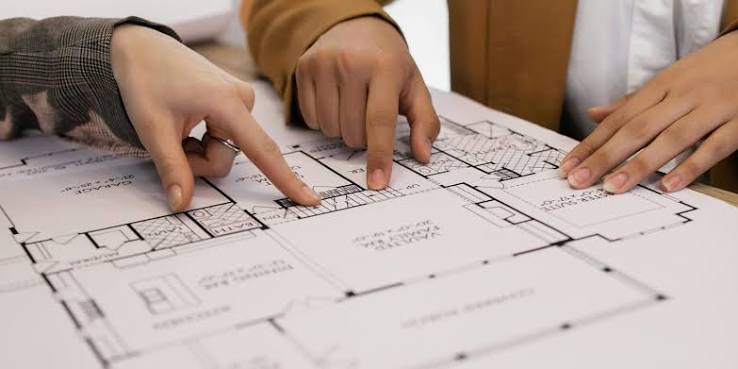
A successful remodel is not only about walls, measurements, and materials. It is about how the finished home will look, function, and support daily life once the work is complete. When interior design is brought in before construction begins, every decision has more purpose, from the layout and lighting to cabinetry, finishes, furniture placement, storage, and traffic flow.
In this article, a leading Glen Ellyn design and build team explains why interior design should be part of the planning process before construction begins.
Better space planning starts with design
One of the biggest advantages of involving interior design early is the ability to create a layout that works for everyday life. Before walls are moved or cabinets are ordered, designers can evaluate how people use the space and identify opportunities for improvement. This may include widening pathways, creating better connections between rooms, improving storage, or adjusting room proportions. These decisions are far easier and more cost-effective to make during planning than after construction has started. A thoughtful layout often becomes the foundation for every other design decision that follows.
Materials and finishes can be selected with purpose
Interior design is about much more than choosing colors and décor. Designers help establish a cohesive vision for flooring, cabinetry, countertops, tile, hardware, lighting, and other finish materials before construction begins. This allows products to be selected as part of a larger design strategy rather than as individual decisions made throughout the project. Early planning also helps avoid situations where materials compete with one another or create an inconsistent look. The result is a home that feels intentional from room to room.
Lighting can be integrated into the design
Lighting is one of the most overlooked elements during remodeling projects. Many homeowners focus on fixtures later in the process without considering how lighting affects the overall experience of a space. By involving interior design early, lighting plans can be incorporated into construction drawings and coordinated with room layouts, ceiling details, cabinetry, and furniture placement. This creates a better balance of task, ambient, and accent lighting throughout the home. Proper planning also helps eliminate dark corners, awkward fixture locations, and missed opportunities to highlight architectural features.
Storage solutions can be built into the project
Storage works best when it is planned from the beginning rather than added as an afterthought. Interior designers often identify opportunities for custom cabinetry, built-ins, hidden storage, pantry organization, mudroom features, and other functional solutions during the design phase. Because these elements are integrated into the construction plans, they can be tailored to the homeowner’s specific needs and lifestyle. This approach often creates cleaner, more organized spaces without sacrificing aesthetics. It also allows every square foot to work harder.
Construction decisions become more efficient
When design details are finalized before construction starts, the entire project tends to move more smoothly. Contractors, trades, and suppliers have a clearer understanding of what needs to be built and installed. This reduces the number of unexpected delays and last-minute decisions that can slow progress. It also helps maintain consistency between the original vision and the finished result. A well-developed design plan gives everyone involved a shared roadmap to follow.
The finished home feels more cohesive
Homes tend to feel more polished when interior design guides the project from the start. Instead of focusing on individual rooms, designers consider how spaces connect and relate to one another throughout the home. Materials, colors, textures, lighting, and architectural details can be coordinated to create a stronger sense of continuity. This often results in spaces that feel more comfortable and balanced. By planning design and construction together, homeowners are more likely to achieve a finished result that feels complete rather than pieced together.