Inside most family kitchens, school lunch preparation happens under pressure. Parents move between unfinished chores, uniforms waiting near the door, alongside children searching for misplaced notebooks at the last moment. Under those conditions, snack choices often become repetitive because convenience takes priority. Yet repetitive eating patterns eventually reduce a child’s interest in school meals altogether.
Children tend to react more to foods that appear different to them in terms of their appearance on different days. The eating behavior is affected more by texture, shape, color, and variety than many adults would anticipate. Parents who seek Healthy Snacks for Kids at School tend to be more concerned with what children actually eat and what they can actually consume in brief recess time and not trade or leave uneaten.
Why Lunchbox Variety Changes Eating Behavior in Children
It’s surprisingly quick for children to get bored with the same combinations of snacks. If the child had loved the same crackers, biscuit or sweet bar at lunch for several days, a lunch box with the same item each day will no longer be their favorite. After becoming bored, there can be a significant decrease in appetite during the school day.
Rotational planning tends to enhance the acceptance of snacks. Minor modifications in taste, texture, or presentation are useful in sustaining the interest and slowly introducing children to larger groups of ingredients. As well as alternative grain snacks, vegetable chips, baked crackers, or combinations of fruits, the changing of lunchbox habits can be reshaped over time.
Visual variety matters too. Foods arranged with different colors or layered textures often receive better response from younger children because the meal feels less predictable during recess. Meanwhile, portion size continues affecting eating consistency. Extremely heavy snacks may leave children uncomfortable during physical activities, while very small servings fail to sustain concentration before lunchtime arrives.
Compact Snack Formats Often Work Better During School Hours
School recess periods move quickly. Children talk, play, move around, plus attempt to finish meals within limited time windows. Large portions requiring complicated handling usually return unfinished at the end of the day.
Compact snack formats fit more naturally into school routines because they remain easier to carry, easier to finish, plus less messy inside lunchboxes. Parents therefore increasingly prefer baked finger foods, grain bites, mini sandwiches, alongside portion-sized cereal combinations.
Under practical school schedules, families often prioritize:
- Foods children can finish comfortably during short recess periods
- Compact snacks creating minimal mess inside school bags
- Ingredient combinations supporting balanced daytime energy
Another factor influences lunchbox success quietly. Packaging. Children generally consume snacks more consistently when containers open easily and food remains intact throughout transport inside crowded backpacks.
Flavor Balance Plays a Bigger Role Than Most Parents Expect
Children respond strongly to flavor contrast. Completely bland snacks often lose appeal quickly, yet heavily seasoned foods may overwhelm younger palates during regular school consumption. Balanced flavor combinations usually maintain stronger long-term acceptance.
Mild sweetness paired with grain textures, lightly seasoned baked snacks, or subtle savory combinations tend to work effectively during school hours because they feel satisfying without becoming overpowering. What types of combinations usually hold a child’s interest longer?
Grain-Based Crunch Creates Better Satisfaction
Crunchy textures maintain stronger lunchbox engagement for many children. Baked grain snacks prepared with millets, oats, or lentil blends often feel more enjoyable during recess while avoiding excessive oil content associated with heavily fried products.
Layered Spreads Improve Lunchbox Appeal
Simple breads or crackers sometimes appear uninteresting on their own. Pairing them with mild spreads or grain-based fillings often improves snack completion because children experience more flavor variation within smaller portions.
Fruit Pairings Add Natural Sweetness
Fresh fruit portions alongside baked snacks frequently help balance lunchbox flavors naturally without depending entirely on highly sweetened packaged products during school hours.
Dry Snacks Reduce Midday Mess
Foods remaining stable without leaking or crumbling heavily usually perform better inside school bags. Dry cereal combinations, baked chips, plus compact snack bites often fit school environments more comfortably.
Alongside flavor planning, timing matters equally. Children consuming overly sweet foods early in the morning sometimes experience energy drops before academic sessions finish.
Structured Snack Timing Helps Regulate Appetite
Continuous grazing throughout the day may disrupt appetite patterns significantly. Children snacking without structure often lose interest in proper lunches or evening meals because hunger cues become inconsistent.
Organized snack timing generally supports steadier eating behavior. Mid-morning snacks paired with balanced lunch portions usually help children remain more comfortable during long academic schedules without depending repeatedly on sugary foods.
Parents frequently notice several gradual changes under more balanced snack routines:
- Better appetite during regular mealtimes
- Reduced dependence on processed sugary products
- More consistent school lunch completion
Could snack timing influence concentration more than expected? Children experiencing large energy fluctuations during school hours often struggle to maintain steady classroom attention, particularly during longer afternoon sessions.
Ingredient Transparency Has Become Increasingly Important
Parents are more aware of what is in their children’s lunches before putting them in their school sandwiches. Excessive amounts of sugar, synthetic additives and other artificial preservatives, as well as heavily processed formulations can directly impact the choice of purchase.
Some snack companies have therefore opted for more minimalistic formulation that emphasizes grains and vegetable ingredients, baking and less artificial additives. Cleaner labels result in improved trust as parents are better informed about what their kids are eating.
Within this dynamic market, the Healthy Snacks for Kids Lunch categories are more likely to be creating products with both convenience and ingredient focus than being purely about the look of the product.
Preparation time still shapes purchasing habits heavily. Parents balancing office schedules, transportation responsibilities, homework supervision, plus extracurricular activities usually require foods fitting naturally into rushed morning routines. Meanwhile, portability remains essential. Snacks breaking apart easily or creating excessive mess often become impractical for daily school use regardless of nutritional quality.
Final Thoughts
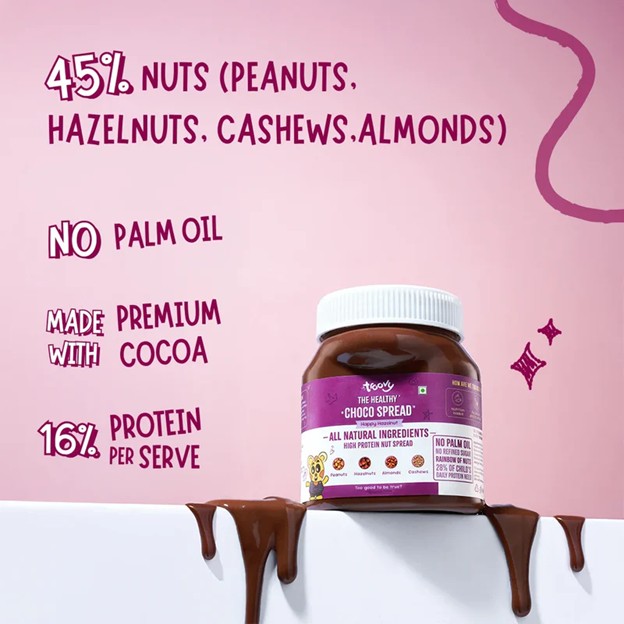
Could more thoughtful lunchbox variety quietly improve how children approach food during busy school days? Rather than the rigid feeding schedules, many families now aim to develop sensible snack schedules that children readily follow throughout the week. In this segment, Troovy’s products include cereals, baked snack items, spreads and grain-based items based on cleaner formulations of ingredients developed for a younger audience. When households are considering a well-balanced lunchbox combination with a reliable Healthy Chocolate Spread, the bigger picture is now about creating sustainable, healthy lunchbox habits that seamlessly integrate into an active school day.