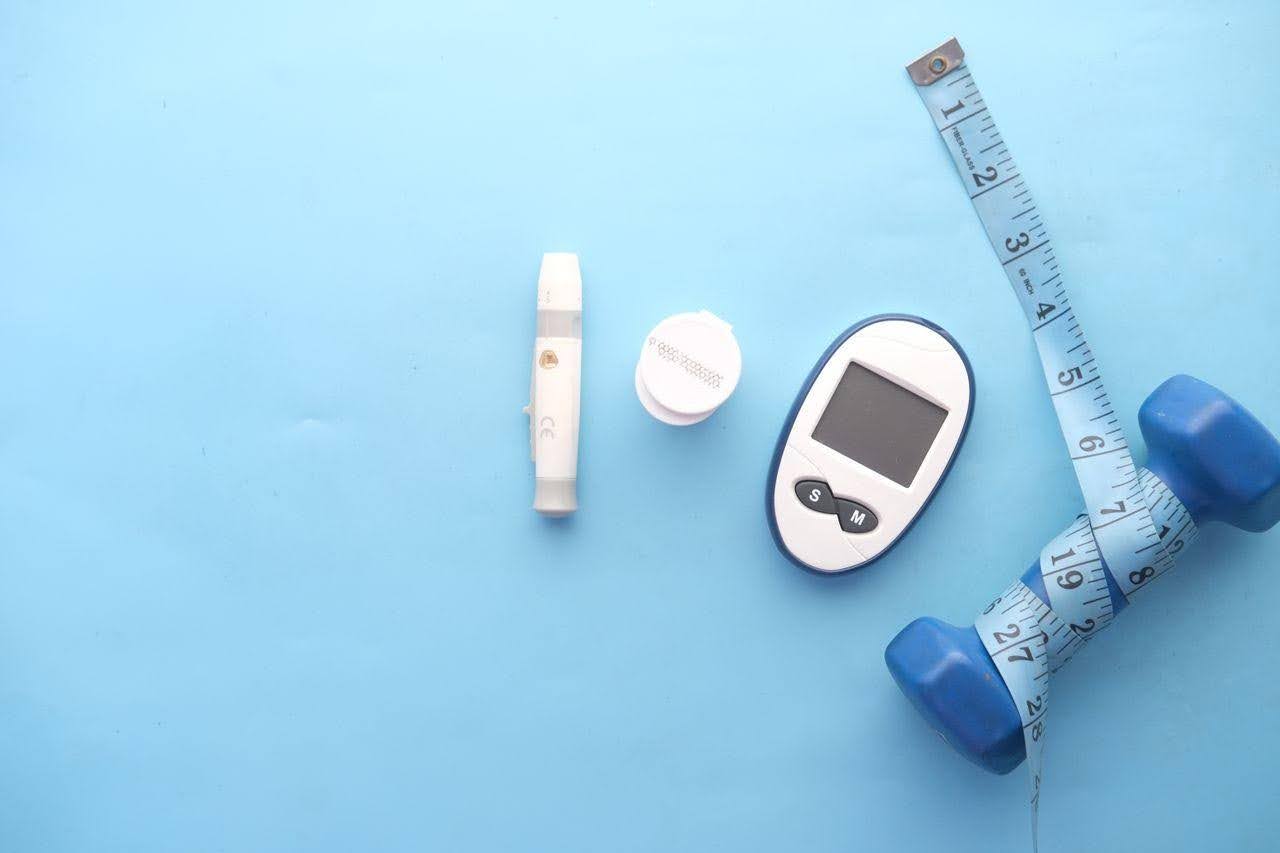
Most weight management advice oversimplifies things. Eat less. Exercise more. That is the whole message. But your body is not a math equation, and treating it like one tends to backfire fast. Real results come from small, specific shifts that stack on top of each other.
Focus on Adding Nutrient-Dense Foods
Every time you add a nutrient dense food to your plate, you naturally crowd out the ones that do not serve you. Leafy greens, legumes, eggs, nuts, and whole grains deliver vitamins, minerals, fiber, and steady energy all at once.
People who pair this habit with a structured slimming treatment tend to see better results precisely because their body is already getting what it needs. Think of it as crowding out, not cutting out. That mental shift matters more than you think.
Track Meals for One Week without Judgment
One week. No judgment. That is all this asks of you. Meal tracking reveals patterns that are otherwise invisible like eating out of boredom, skipping meals when stressed, or underestimating how much you snack in the evenings. You are not tracking to grade yourself. You are tracking to see clearly.
A simple note on your phone works fine. What seven days of honest observation shows you is often worth more than months of guessing.
Drink Water before Meals to Gauge True Hunger Levels
Your stomach has nerves that detect fullness and send signals to the brain. Drinking a glass of water before a meal activates some of that same response, giving your body a moment to check in before the first bite.
Research referenced by Harvard Health found that adults who drank water before meals reported lower appetite and ate less overall. Water will not manufacture hunger that was never there. What it does is help you separate real hunger from force of habit.
Balance Each Plate with Protein, Fiber, and Healthy Fats
Protein slows digestion. Fiber steadies blood sugar and feeds the gut. Healthy fats found in avocado, olive oil, and fatty fish signal satiety to the brain. When all three show up at the same meal, you get sustained energy rather than a crash two hours later. You do not need to count macros to pull this off.
Fill half your plate with vegetables, add a portion of protein roughly the size of your palm, and include a small amount of healthy fat.
Schedule Workouts That Fit Your Energy Peaks
Most fitness trends are built around someone else’s peak hours. Morning workouts are not for everyone. Neither are evening sessions. If your energy lifts reliably after lunch or hits its stride at 5 p.m., that is when to move.
Timing matters less than consistency, but exercising when your energy is naturally higher makes it far easier to show up. The best workout schedule is the one that fits your actual life, not the one that looks good on paper.
Celebrate Non-Scale Victories like Energy Gains and Better Sleep
Sleeping more deeply. Feeling less winded on stairs. Keeping a steadier mood through the afternoon. These are real, measurable signs that your body is improving. A number on a scale can stall for weeks while your body changes in every way that matters.
Tracking these shifts keeps your motivation intact during the plateaus, which are a normal part of any health process.