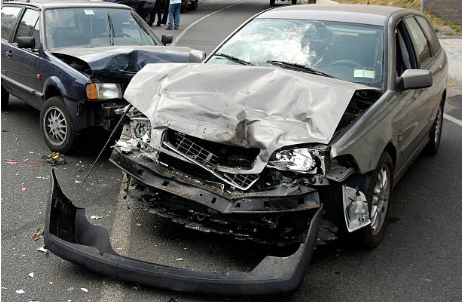
A driver in Georgia is usually liable for a lane change accident when they fail to change lanes safely, ignore traffic conditions, or violate state traffic laws. Liability often depends on whether the driver checked blind spots, used turn signals, and ensured the lane was clear before moving over. In many cases, insurance companies and courts look at driver negligence to decide who caused the collision.
Lane change accidents are common on Georgia highways and busy city roads because drivers often switch lanes too quickly or without enough caution. A serious lane change crash can lead to injuries, property damage, lost income, and expensive medical bills. Understanding when a driver becomes legally responsible can help victims protect their rights and pursue compensation after an accident.
What Georgia Law Says About Lane Changes
Georgia law requires drivers to stay within a single lane and only move from that lane when it is safe to do so. Under Georgia Code § 40-6-48, motorists cannot change lanes until they determine the movement can be made safely.
Another important law is Georgia Code § 40-6-123, which requires drivers to use turn signals before changing lanes or turning. Drivers who fail to signal properly may be considered negligent if their actions contribute to a crash.
These laws exist to reduce preventable accidents and keep traffic flowing safely.
Common Causes of Lane Change Accidents
Lane change crashes happen for many reasons, but most involve driver carelessness or poor judgment. Some of the most common causes include:
Failing to Check Blind Spots
Blind spots are areas around a vehicle that mirrors cannot fully cover. Drivers who merge without checking these areas may sideswipe another vehicle.
Distracted Driving
Texting, eating, adjusting navigation systems, or talking on the phone can distract drivers during lane changes. Even a brief distraction can cause a collision.
Not Using Turn Signals
Turn signals warn nearby drivers about intended movements. When drivers fail to signal, surrounding vehicles may not have enough time to react.
Aggressive Driving
Speeding, weaving through traffic, and cutting off other drivers increase the risk of accidents. Aggressive lane changes are especially dangerous on crowded highways.
Unsafe Merging
Drivers entering highways or changing lanes in heavy traffic must yield appropriately and wait for a safe opening.
How Liability Is Determined in Georgia
Determining fault in a lane change accident often involves examining evidence from the crash scene. Insurance companies, attorneys, and courts may review:
- Police reports
- Witness statements
- Traffic camera footage
- Vehicle damage
- Dashcam recordings
- Skid marks and road conditions
In many situations, the driver who initiated the unsafe lane change is found responsible. However, liability is not always straightforward.
For example, if both drivers were speeding or distracted, fault may be shared between them.
Georgia’s Comparative Negligence Rule
Georgia follows a modified comparative negligence system under Georgia Code § 51-12-33. This means an injured driver can still recover damages if they are less than 50% responsible for the accident.
However, compensation is reduced based on the percentage of fault assigned to the injured party.
For example:
- If a driver were awarded $100,000 but found 20% at fault, they would receive $80,000.
- If they are 50% or more responsible, they cannot recover damages.
This rule makes evidence especially important in lane-change accident claims.
Situations Where the Other Driver May Be Liable
A driver may be legally responsible for a lane change crash if they
- Changed lanes without signaling
- Failed to check mirrors or blind spots
- Crossed multiple lanes unsafely
- Merged into occupied lanes
- Drove aggressively or recklessly
- Changed lanes while distracted
- Violated traffic laws
Commercial truck drivers may also be held liable if they fail to follow federal safety regulations or operate vehicles carelessly.
Can Multiple Drivers Share Fault?
Yes. Some lane change accidents involve shared responsibility. For example:
- One driver may have changed lanes unsafely.
- Another driver may have been speeding or following too closely.
Insurance adjusters often investigate both drivers’ actions before assigning fault percentages.
Because of this, accident victims should avoid admitting fault at the scene before all evidence is reviewed.
What Victims Should Do After a Lane Change Accident
The steps taken after a crash can affect both safety and legal claims.
Seek Medical Attention
Even minor injuries should be evaluated by a medical professional. Some injuries may not appear immediately.
Call the Police
A police report creates an official record of the accident and may include important observations about fault.
Gather Evidence
Photos, videos, witness contact information, and insurance details can strengthen a claim.
Avoid Giving Recorded Statements Too Soon
Insurance companies may use statements against accident victims later.
Speak with an Attorney
A personal injury attorney can help evaluate liability, negotiate with insurers, and pursue compensation if necessary.
Compensation Available After a Lane Change Crash
Victims of lane change accidents in Georgia may be able to recover compensation for the following:
- Medical expenses
- Lost wages
- Property damage
- Pain and suffering
- Rehabilitation costs
- Future medical treatment
The amount depends on injury severity, insurance coverage, and the degree of fault involved.
Key Takeaways
- Drivers in Georgia must make lane changes safely and carefully.
- Failing to signal or check blind spots may create liability.
- Georgia follows a modified comparative negligence rule.
- Evidence like dashcam footage, witness statements, and police reports can help prove fault.
- State traffic laws play a major role in determining responsibility.