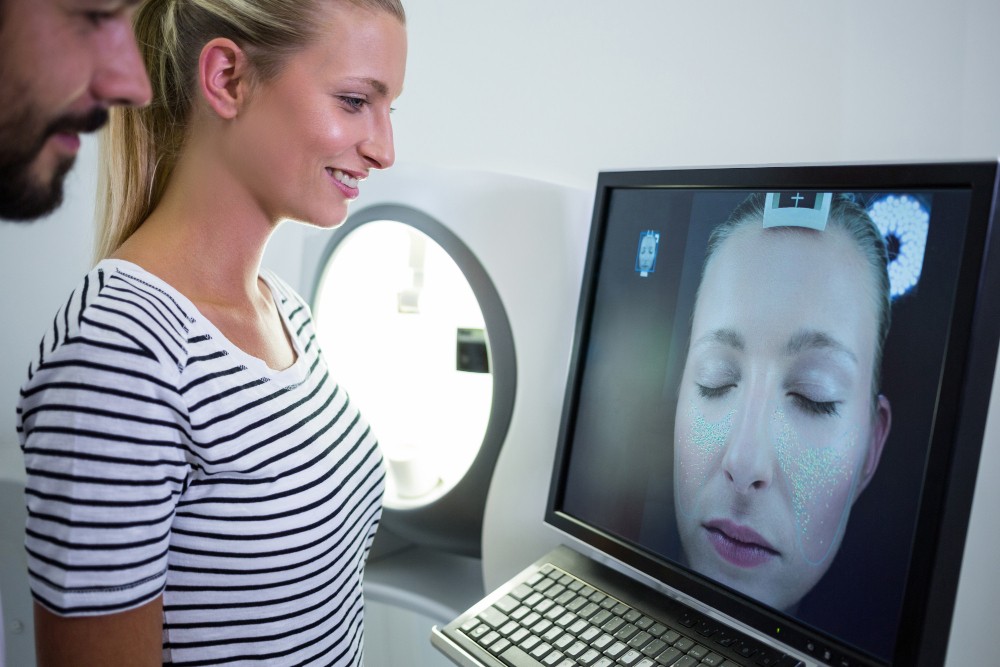
Aesthetics in 2026 is being shaped by something surprisingly simple yet powerful: constant self-visibility. Whether it is video calls, reels, or high-definition selfies, people are seeing themselves more than ever before. This has created a new trend known as the “Zoom Face” effect, where individuals notice subtle asymmetries, dullness, or imbalances that were previously ignored.
But instead of opting for dramatic changes, the focus has shifted toward micro-transformations. These are small, precise improvements that collectively enhance overall appearance without making it obvious that anything was done.
Why Micro-Transformations Are Taking Over
The idea of “less is more” has become central to modern aesthetics. People no longer want drastic changes that alter their identity. They want refinements that make them look fresher, sharper, and more confident.
Micro-transformations focus on:
- Subtle alignment corrections
- Minor contour enhancements
- Texture and tone improvements
- Natural-looking volume restoration
This approach is not about chasing perfection. It is about optimizing what already exists.
The Psychology Behind Subtle Enhancements
One of the reasons micro-transformations are gaining popularity is psychological comfort. Drastic changes can sometimes feel overwhelming, both for the individual and those around them.
Small improvements, on the other hand, are easier to accept. They create a gradual shift in appearance, allowing confidence to build naturally. People often feel more like themselves, just a slightly improved version.
This balance between change and familiarity is what makes micro-transformations so appealing.
Smile Refinement Is Becoming Hyper-Personalized
In the “Zoom Face” era, the smile is one of the most noticeable features. However, instead of going for overly bright or perfectly uniform teeth, people are now opting for natural-looking refinements.
A Dental Clinic in 2026 uses digital simulations to design smiles that match facial expressions, lip movement, and overall personality. The focus is on creating a smile that feels authentic rather than artificial.
Even minor adjustments in tooth shape or alignment can significantly improve how a person looks on camera and in real life.
Skin Texture Over Skin Tone
Earlier, the emphasis in aesthetics was on achieving a lighter or more even skin tone. Today, the focus has shifted to texture. Smooth, healthy skin with minimal imperfections is considered more attractive than uniform color.
Treatments are now designed to:
- Improve skin elasticity
- Reduce pores and fine lines
- Enhance natural glow
These changes are subtle but highly effective, especially under high-definition cameras where texture becomes more visible.
The New Role of Hair in Facial Framing
Hair is no longer just about style. It is being treated as a structural element that frames the face. Even slight changes in hairline or density can alter facial proportions.
In 2026, aesthetic planning often includes hair analysis. A Hair Transplant is used not as a standalone procedure but as part of a broader strategy to restore balance and symmetry.
The goal is to create a natural frame that complements facial features rather than drawing attention to itself.
AI Is Redefining Aesthetic Planning
Artificial intelligence is playing a major role in modern aesthetics. Advanced tools can analyze facial symmetry, predict outcomes, and suggest personalized treatment plans.
Patients can now see simulated results before undergoing any procedure. This reduces uncertainty and helps in making informed decisions.
AI also ensures that treatments remain within natural limits, preventing over-enhancement and maintaining balance.
The Influence of Short-Form Content
Short-form video platforms have changed how people perceive beauty. Expressions, angles, and movement now matter as much as static appearance.
This has led to demand for treatments that look good in motion. Practitioners are focusing on dynamic aesthetics, ensuring that results appear natural during speaking, smiling, and other facial movements.
This shift is redefining how success in aesthetic treatments is measured.
The Rise of “Invisible Aesthetics”
A major trend in 2026 is what experts call “invisible aesthetics.” These are treatments that deliver noticeable improvements without visible signs of intervention.
The idea is simple: people should notice that you look better, not that you have undergone a procedure.
This approach is driving innovation in minimally invasive techniques and personalized care plans.
Challenges in the Micro-Transformation Approach
While micro-transformations offer many benefits, they require high precision and expertise. Small changes can have a significant impact, which means there is little room for error.
There is also a need for clear communication between patients and practitioners. Understanding expectations and setting realistic goals is essential for achieving satisfactory results.
Without proper guidance, even subtle treatments can lead to imbalance.
The Future of Aesthetics: Precision Over Perfection
The future of aesthetics lies in precision. As technology advances, treatments will become more targeted and less invasive. Personalization will continue to play a key role, ensuring that every enhancement aligns with the individual’s natural features.
We are moving toward a world where aesthetics is not about changing how you look but about enhancing how you feel.
Conclusion
Aesthetics in 2026 is defined by subtlety, personalization, and a deep understanding of facial harmony. The “Zoom Face” era has made people more aware of their appearance, but it has also encouraged a more thoughtful approach to change.
Micro-transformations are leading this shift, offering improvements that are natural, balanced, and confidence-boosting. By combining technology, expertise, and a focus on individuality, modern aesthetics is creating results that are both refined and real.
This new direction is not about standing out. It is about fitting perfectly into your own skin, just a little better than before.