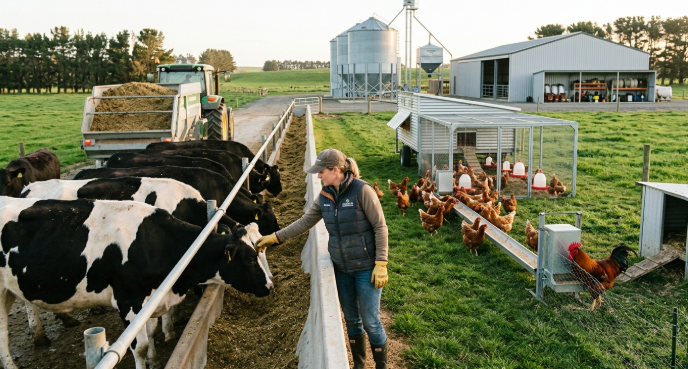
If you raise animals whether cattle, poultry, or game birds you already know that what they eat matters. But here is a question that does not get asked enough: how you feed them matters just as much. The quality of your livestock feed and the method you use to deliver it can be the difference between animals that thrive and animals that merely survive. Farmers and breeders are starting to pay much closer attention to this, and for good reason.
Why Feeding Method Is Not Just a Minor Detail
Most people focus heavily on feed ingredients, protein content, grain ratios, vitamins but overlook the delivery side entirely. Think of it this way: you could have the most nutritious meal in the world, but if it is served at the wrong time or in a stressful environment, the benefits are reduced.
Animals that have to compete aggressively for food, or that are fed irregularly, often show signs of poor weight gain and weaker immune responses. Consistent, calm, and well-structured feeding routines make a measurable difference on any farm.
Livestock fed on a consistent daily schedule can show up to 15% better feed conversion ratios compared to animals fed irregularly meaning they gain more from every pound of feed consumed.
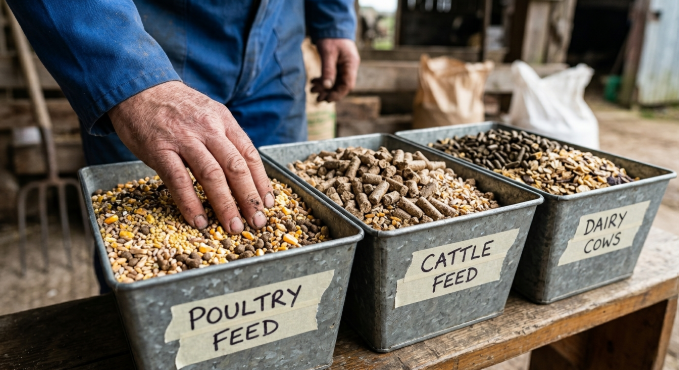
The Role of Specialised Feed in Performance
Not all animals have the same nutritional requirements, and the livestock industry has responded with increasingly specialised products. Matching the feed profile to the animal’s purpose is the foundation of good performance.
Whether you are raising broilers, laying hens, dairy cows, or beef cattle, a generic feed mix will always leave something on the table. Getting this right is not a luxury it is the baseline for any serious operation.
Comparing Common Feeding Methods
Here is a simple breakdown of widely used feeding methods and how they affect livestock performance:
| Feeding Method | Best Suited For | Key Advantage | Potential Drawback |
| Free-choice (ad libitum) | Cattle, sheep | Reduces labour, animals self-regulate | Risk of overconsumption |
| Timed restricted feeding | Game birds, poultry | Better feed control, less waste | Requires consistent scheduling |
| Total Mixed Ration (TMR) | Dairy cattle | Balanced nutrition in every bite | Higher equipment cost |
| Hand feeding | Small flocks, gamecocks | Close individual monitoring | Time-intensive, not scalable |
| Automated feeders | Large-scale operations | Consistency, labour savings | Upfront investment cost |
Choosing the right method depends on your species, the size of your operation, and what you are trying to achieve whether that is growth, egg production, conditioning, or reproduction.
Gamecock Feed and Why Precision Matters
One area where feed precision has become especially important is with gamecocks. Gamecock feed is designed with very specific performance goals in mind supporting lean muscle development, stamina, and overall bird health. A standard poultry mix simply does not meet these demands.
Feeds formulated for gamecocks typically feature:
- Higher protein levels, often between 20–28%
- Carefully balanced amino acids like lysine and methionine
- Controlled energy sources to avoid unnecessary fat gain
Getting the formula wrong even with excellent feeding routines will limit your results and affect how the bird looks and performs over time.
Game Bird Feed and the Importance of the Right Formula
If you raise game birds more broadly, their care requires a level of attention that general poultry farming does not always demand. Game bird feed must account for unique physiological traits; these birds tend to be more active, leaner, and more sensitive to nutritional imbalances than commercial broiler breeds.
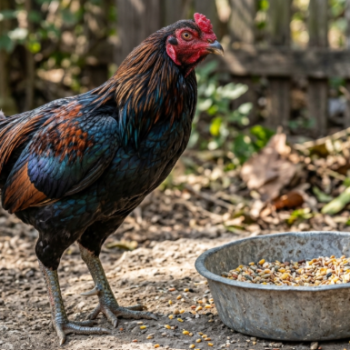
A well-formulated game bird feed supports feather quality, bone density, and immune function throughout the bird’s life cycle. Many experienced breeders have noted significant improvements in bird behaviour and physical condition simply by switching to a species-appropriate feed formula.
Game birds raised for conditioning can require up to 30% more protein in their diet compared to standard backyard poultry meeting this threshold through the right feed is essential to achieving peak physical condition.
Practical Tips for Better Livestock Feeding Today
You do not need to overhaul your entire operation to see real improvements. A few straightforward adjustments can make a noticeable difference:
- Feed at the same time every day consistency reduces stress and improves digestion
- Match feed to life stage a growing bird has different needs than a mature one
- Avoid overcrowding at feeders competition causes stress, and stress hurts performance
- Monitor body condition regularly the animal’s condition tells you if the feed is actually working
- Store feed properly moisture and heat degrade nutrients, always use cool, dry, sealed containers
What This Means for Vets and the Growing Demand for Veterinary Tech Jobs
For veterinarians and support staff, feeding strategies are no longer just a farm management topic—they are a clinical concern directly tied to animal health, productivity, and disease prevention. As livestock systems become more advanced, vets are increasingly expected to guide producers not only on treatment plans but also on nutrition protocols and feeding methods.
This shift is also driving demand for veterinary tech jobs across livestock and poultry sectors. Veterinary technicians today are playing a more active role in monitoring feeding programs, assessing body condition scores, identifying early signs of nutritional deficiencies, and ensuring that feeding systems are operating correctly on farms.
In large-scale operations, vet techs often:
- Track feed intake patterns and flag inconsistencies
- Assist in developing feeding schedules aligned with animal life stages
- Support disease prevention by identifying nutrition-related health risks
- Work alongside nutritionists to evaluate feed performance in real-world conditions
For example, irregular feeding or poor-quality feed can contribute to metabolic disorders, weakened immunity, and reduced reproductive performance. Veterinary teams are now expected to connect these dots quickly and recommend adjustments before problems escalate.
Final Thoughts
All of the feeding strategies discussed above only work as well as the feed behind them. You can perfect your schedule, spacing, and routine but if the formula in the bag does not match what your animal actually needs, you are working against yourself.
That is exactly the problem that Mid South Feeds was built to solve. Based in Alma, Georgia, Mid South Feeds is a premium animal and livestock feed manufacturer that offers science-backed, species-specific formulas across a wide range from cattle and equine to poultry, swine, and yes, dedicated gamecock and game bird lines. Their philosophy is simple: better feed produces stronger animals, and every formula they make is crafted with that outcome in mind.
For farmers and breeders who are serious about performance, pairing smart feeding methods with a trusted feed brand like Mid South Feeds is not just a good idea, it is the logical next step. Because when the method is right and the feed is right, the results speak for themselves.