Labor productivity is one of the most important drivers of success on any construction project. Schedules, budgets, and overall efficiency all depend on how effectively crews can complete their work without unnecessary interruptions. While factors such as planning, materials, and coordination often receive the most attention, waste management plays a significant role in determining how productive a job site truly is.
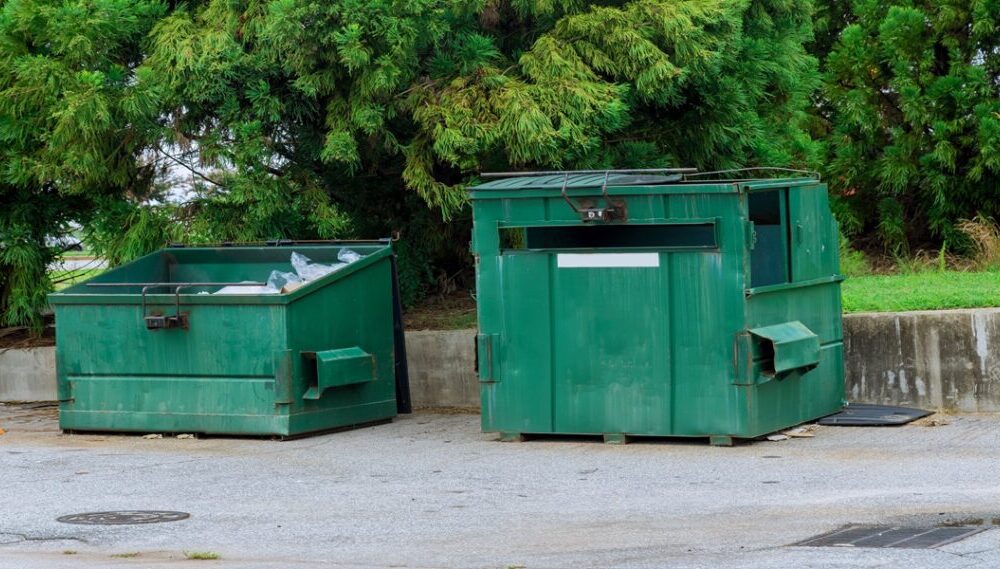
Temporary dumpster rentals are more than just a disposal solution. They directly influence how crews move, how materials are handled, and how efficiently work areas are maintained. When used strategically, they reduce wasted effort, eliminate unnecessary steps, and help contractors maintain a steady workflow.
For contractors looking to improve productivity, understanding the impact of dumpster placement, usage, and coordination is essential.
How Poor Waste Management Reduces Productivity
On many job sites, productivity losses can be traced back to inefficient waste handling. When debris is not managed properly, crews are forced to spend time clearing space, relocating materials, or navigating around cluttered areas.
Instead of focusing on construction tasks, workers end up performing secondary activities that do not directly contribute to project progress.
Common inefficiencies include staging debris in piles, moving materials multiple times, and dealing with blocked pathways. These issues may seem minor in isolation, but over the course of a project, they can add up to significant time loss.
Reducing these inefficiencies requires a structured approach to waste removal.
Temporary dumpsters provide a practical solution when integrated properly into jobsite operations.
Eliminating Double Handling Through Direct Disposal
One of the most immediate productivity gains from using temporary dumpsters is the elimination of double handling. When debris is staged before disposal, workers must move it at least twice—once to clear it from the work area and again to load it for removal.
This adds unnecessary labor and slows down progress.
With a properly placed dumpster, crews can dispose of materials directly as they are generated. This single-step process reduces the time spent handling debris and allows workers to stay focused on their primary tasks.
Direct disposal is one of the simplest ways to improve efficiency on a construction site.
Reducing extra steps leads to measurable productivity gains.
Strategic Placement Minimizes Travel Time
The location of a dumpster has a direct impact on how efficiently crews can work. If the container is too far from active work areas, workers must spend additional time transporting debris.
Over the course of a day, these extra trips can significantly reduce productivity.
At the same time, placing a dumpster in a high-traffic area can create congestion and interfere with other operations.
Contractors should aim to position dumpsters where they are easily accessible but do not disrupt workflow.
Working with providers such as Temporary Dumpster can help ensure that placement supports both efficiency and site organization.
Minimizing travel time helps crews stay focused and productive.
Maintaining Clean Work Areas Improves Efficiency
A clean job site is easier to work on. When debris is removed consistently, crews can move freely, access materials quickly, and perform tasks without interruption.
Cluttered work areas, on the other hand, slow down progress. Workers may need to clear space before starting a task or navigate around obstacles, which reduces efficiency.
Temporary dumpsters support continuous cleanup by providing a consistent location for waste.
Maintaining clean work areas allows crews to work more efficiently and complete tasks faster.
Organization is a key component of productivity.
Supporting Equipment Efficiency
Construction equipment operates most effectively when work areas are clear and predictable. Debris that is left on the ground can interfere with equipment movement, forcing operators to adjust their paths or reposition materials.
A well-placed dumpster allows equipment to load debris directly, reducing unnecessary movement and improving overall efficiency.
This is particularly important on larger sites where equipment plays a major role in material handling.
Supporting equipment efficiency helps maximize the value of both labor and machinery.
Clear work areas enable better performance.
Coordinating Across Multiple Trades
On most construction projects, multiple trades are working at the same time. Without a consistent approach to waste removal, each trade may handle debris differently, leading to inefficiencies and confusion.
Temporary dumpsters provide a shared system that all crews can use.
When everyone follows the same process, it reduces the likelihood of debris being left in work areas or moved multiple times.
Clear expectations for waste handling improve coordination and help maintain a steady workflow.
Consistency across trades is essential for maximizing productivity.
Keeping Debris Moving Instead of Accumulating
Allowing debris to accumulate is one of the fastest ways to reduce productivity. As materials build up, work areas become more difficult to manage, and crews must spend additional time dealing with cleanup.
Temporary dumpsters encourage continuous removal, ensuring that debris is handled as it is generated.
This approach prevents clutter and keeps the site functional.
Keeping debris moving helps maintain momentum and allows crews to focus on their tasks.
Continuous cleanup supports consistent progress.
Reducing Delays Through Reliable Pickup Scheduling
Even with proper placement and usage, dumpsters can become a bottleneck if they are not serviced on time. A full container that is not removed promptly forces crews to find alternative ways to manage debris, often leading to inefficiencies.
Coordinating with reliable providers ensures that containers are emptied or replaced as needed.
Timely pickups maintain available disposal capacity and prevent disruptions to workflow.
Reliable scheduling is a key factor in maintaining productivity.
Consistency in service supports continuous operations.
Adapting Dumpster Usage to Project Phases
Construction projects evolve over time, and waste management needs change with each phase. Early demolition stages generate large volumes of debris, while later phases produce smaller but continuous waste.
Adjusting dumpster usage to match these phases helps maintain efficiency.
For example, larger containers or more frequent pickups may be needed during demolition, while smaller or fewer containers may suffice during finishing work.
Adapting to project conditions ensures that waste removal continues to support productivity.
Flexibility is essential for maintaining efficiency.
Reducing Labor Costs Through Improved Efficiency
Labor is one of the largest costs on any construction project. Inefficiencies in waste handling can increase labor demands without adding value to the project.
By reducing unnecessary handling, minimizing travel time, and maintaining clean work areas, temporary dumpsters help lower labor costs.
Workers can spend more time on productive tasks and less time on cleanup.
Improving efficiency not only speeds up the project but also helps control costs.
Effective waste management is a cost-saving strategy.
Avoiding Common Productivity Mistakes
Several common mistakes can reduce the effectiveness of temporary dumpsters and impact productivity. These include poor placement, inconsistent use by crews, and failure to coordinate pickups.
Another common issue is treating dumpsters as a passive element rather than an active part of jobsite operations.
Avoiding these mistakes requires a proactive approach that integrates waste removal into daily workflows.
Planning ahead and maintaining consistency helps prevent inefficiencies.
Attention to detail improves overall performance.
Enhancing Overall Jobsite Performance
When temporary dumpsters are used effectively, the entire job site benefits. Crews can work more efficiently, equipment operates more smoothly, and coordination between trades improves.
This leads to faster project completion, better use of resources, and a more organized work environment.
Contractors who prioritize waste management gain a competitive advantage through improved productivity.
Efficiency improves when every aspect of the site is optimized.
Temporary dumpster rentals have a direct and measurable impact on labor productivity. By reducing double handling, minimizing travel time, and supporting continuous cleanup, they help crews work more efficiently and maintain steady progress.
For contractors, strategic placement, reliable service, and consistent usage are key to maximizing these benefits. When waste removal is treated as an integral part of jobsite operations, it becomes a powerful tool for improving efficiency.
Managing debris effectively is one of the simplest ways to enhance productivity, reduce costs, and keep construction projects on track from start to finish.