Drain cleaning is an essential aspect of home and commercial plumbing maintenance, ensuring that water, wastewater, and other liquids flow smoothly through pipes and prevent clogs, backups, or damage. Over time, drains accumulate debris such as hair, soap scum, grease, food particles, and mineral deposits, which can obstruct flow and create unpleasant odors. Neglecting drain maintenance can lead to slow drainage, foul smells, pipe corrosion, leaks, and costly plumbing repairs. Understanding the principles, techniques, and best practices of drain cleaning is crucial for homeowners, business owners, and facility managers seeking to maintain efficient and hygienic plumbing systems.
Regular drain cleaning not only improves the performance of plumbing systems but also prolongs the lifespan of pipes. Residential and commercial plumbing systems operate under constant use, and small blockages can escalate into major problems if left unaddressed. Clogs often develop gradually, allowing minor symptoms such as slow draining sinks, gurgling sounds, or water pooling to go unnoticed until a serious blockage occurs. Proactive drain cleaning prevents these issues, safeguards the integrity of the plumbing system, and reduces the need for expensive emergency interventions.
Common Causes of Drain Clogs
Drain clogs develop due to a combination of physical debris, chemical buildup, and natural wear on pipes. In kitchens, grease, oil, food scraps, and coffee grounds accumulate in pipes, creating sticky blockages that impede water flow. Bathroom drains often become clogged with hair, soap residue, toothpaste, and personal care products. Laundry drains may accumulate lint, fabric softeners, and detergent residue, which combine to form obstructions over time.
Hard water also contributes to drain issues by leaving behind mineral deposits that gradually narrow pipe diameter. Tree roots in older homes can infiltrate sewer lines, causing severe blockages and potential pipe damage. Foreign objects flushed or washed down drains, such as toys, sanitary products, or paper towels, can exacerbate the problem. Understanding these causes helps homeowners and facility managers implement preventive measures and recognize early warning signs of drainage issues.
Signs You Need Drain Cleaning
Recognizing the signs of blocked or partially clogged drains allows for timely intervention. Slow drainage in sinks, bathtubs, or showers indicates an accumulation of debris restricting water flow. Foul odors emanating from drains often result from trapped organic matter that has begun to decompose. Gurgling sounds, bubbling water, or unusual noises in plumbing fixtures are also indications of air trapped behind a clog.
Other warning signs include frequent backups, water pooling around fixtures, and sudden overflows in toilets or floor drains. Neglecting these early signs can lead to more severe consequences, such as pipe damage, flooding, and structural water damage. Routine inspection and prompt drain cleaning are essential to maintain both functionality and hygiene in plumbing systems.
DIY Drain Cleaning Techniques
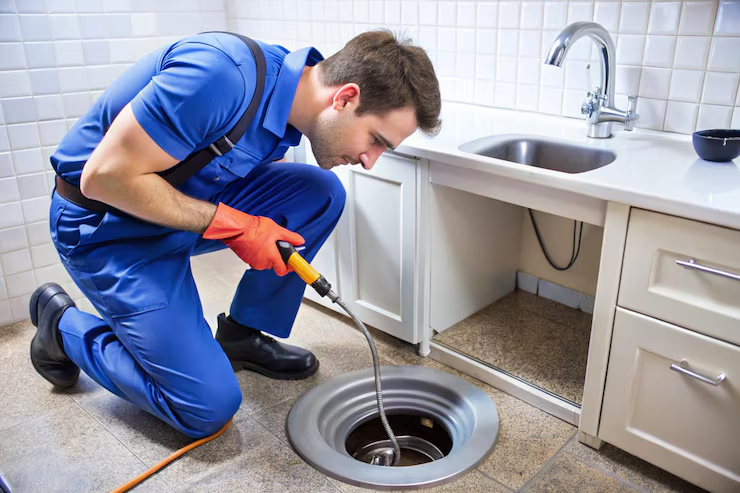
Homeowners can often address minor drain blockages using simple techniques and common household tools. One of the most widely used methods is mechanical removal with a plunger. By creating suction, a plunger can dislodge debris in sinks, toilets, and floor drains. For small clogs, a plumber’s snake or drain auger can reach deeper into pipes to break up or extract obstructions.
Chemical drain cleaners are sometimes used, though they must be applied cautiously. Many commercial cleaners contain harsh chemicals such as lye or sulfuric acid, which can damage pipes, harm the environment, and pose health risks if mishandled. Alternative homemade solutions, such as a mixture of baking soda and vinegar followed by hot water, can help clear minor blockages and deodorize drains without harsh chemicals. Prevention techniques, such as using drain strainers to catch hair and food particles, avoiding grease disposal down sinks, and flushing drains with hot water periodically, also reduce the likelihood of clogs.
Professional Drain Cleaning
While DIY methods are effective for minor clogs, many situations require professional drain cleaning services. Licensed plumbers have specialized equipment and training to address complex blockages, deeply embedded debris, and sewer line obstructions. Hydro-jetting, a common professional technique, uses high-pressure water to remove grease, scale, and buildup from the inside of pipes, restoring flow without causing damage.
Professional drain cleaning also involves inspection and diagnosis using cameras or video equipment to identify structural issues, pipe corrosion, or root intrusion. Addressing these problems proactively prevents recurring clogs, water damage, and costly repairs. Skilled plumbers can recommend long-term solutions, such as pipe relining, replacement, or preventive maintenance programs, ensuring that drainage systems remain efficient and reliable over time.
Preventive Measures for Drain Maintenance
Preventive maintenance is critical for avoiding frequent drain cleaning emergencies. Homeowners and businesses should regularly inspect drains, remove visible debris, and flush pipes with hot water. Installing strainers or screens in sinks, tubs, and showers prevents hair, food particles, and other solids from entering the plumbing system. Proper disposal of grease and oil, rather than pouring them down the drain, helps maintain smooth water flow and prevents buildup.
In commercial settings, scheduled professional maintenance, including hydro-jetting and camera inspections, keeps plumbing systems functioning optimally. Water softeners may also be used in areas with hard water to prevent mineral buildup inside pipes. Routine maintenance not only prolongs the lifespan of the plumbing system but also reduces repair costs, minimizes downtime, and ensures consistent water flow for daily operations.
Risks of Ignoring Drain Cleaning
Failing to address clogged or poorly maintained drains can lead to significant risks and costly consequences. Persistent blockages can cause water backups, leaks, and overflows that damage floors, walls, and furniture. Stagnant water in pipes promotes bacterial growth, mold, and unpleasant odors, creating health hazards for residents and building occupants.
Neglected drains also increase the likelihood of structural pipe damage, including cracks, corrosion, or joint separation. In severe cases, sewer line blockages may require extensive excavation, replacement, or relining, resulting in substantial expenses. Timely drain cleaning and preventive maintenance are essential to mitigate these risks, ensuring safe, functional, and hygienic plumbing systems.
Environmental Considerations in Drain Cleaning
Modern drain cleaning emphasizes eco-friendly practices to minimize environmental impact. Chemical cleaners should be used sparingly or avoided in favor of mechanical or natural solutions that prevent harmful runoff into water systems. Hydro-jetting and professional mechanical cleaning methods remove buildup without introducing toxic substances, offering environmentally responsible alternatives to chemical treatments.
Additionally, regular maintenance reduces water waste associated with slow drains and repeated flushing. Homeowners and commercial facility managers can implement green plumbing practices, including proper grease disposal, strainers, and water-efficient fixtures, to support sustainability while maintaining effective drain systems.
Choosing the Right Drain Cleaning Service
Selecting a reliable drain cleaning service is crucial for effective and long-lasting results. Licensed, experienced plumbers with access to modern equipment can address both immediate blockages and underlying causes, ensuring comprehensive solutions. Reviews, certifications, and professional affiliations provide insight into service quality, reliability, and customer satisfaction.
A reputable service will offer inspection, maintenance, and emergency response options, along with transparent pricing and recommendations for long-term care. Establishing a relationship with a professional plumbing service allows homeowners and business operators to implement preventive maintenance plans, schedule regular inspections, and address issues before they escalate.
Conclusion
Drain cleaning is a vital component of plumbing system maintenance, ensuring the smooth flow of water, preventing blockages, and maintaining hygiene and safety. By understanding the common causes of clogs, recognizing early warning signs, implementing preventive measures, and knowing when to engage professional services, homeowners and facility managers can maintain efficient and reliable drainage systems.
Timely attention to drain cleaning prevents water damage, reduces repair costs, minimizes health hazards, and prolongs the lifespan of plumbing infrastructure. Whether using DIY methods for minor clogs or professional services for complex issues, consistent maintenance and proactive care are key to achieving functional, safe, and sustainable plumbing systems. Regular inspections, cleaning, and preventive strategies provide long-term benefits, ensuring that drains remain free-flowing, efficient, and trouble-free for years to come.