A failing roof is more than an outside problem. It can affect the ceiling, walls, insulation, electrical areas, timber framing, gutters, and even the comfort of the home. Many homeowners try to manage roof problems with small repairs at first, especially when the damage looks minor. A broken tile, small leak, rusted sheet, or loose flashing may not seem urgent. However, when these issues keep returning, the roof may no longer be doing its job properly.
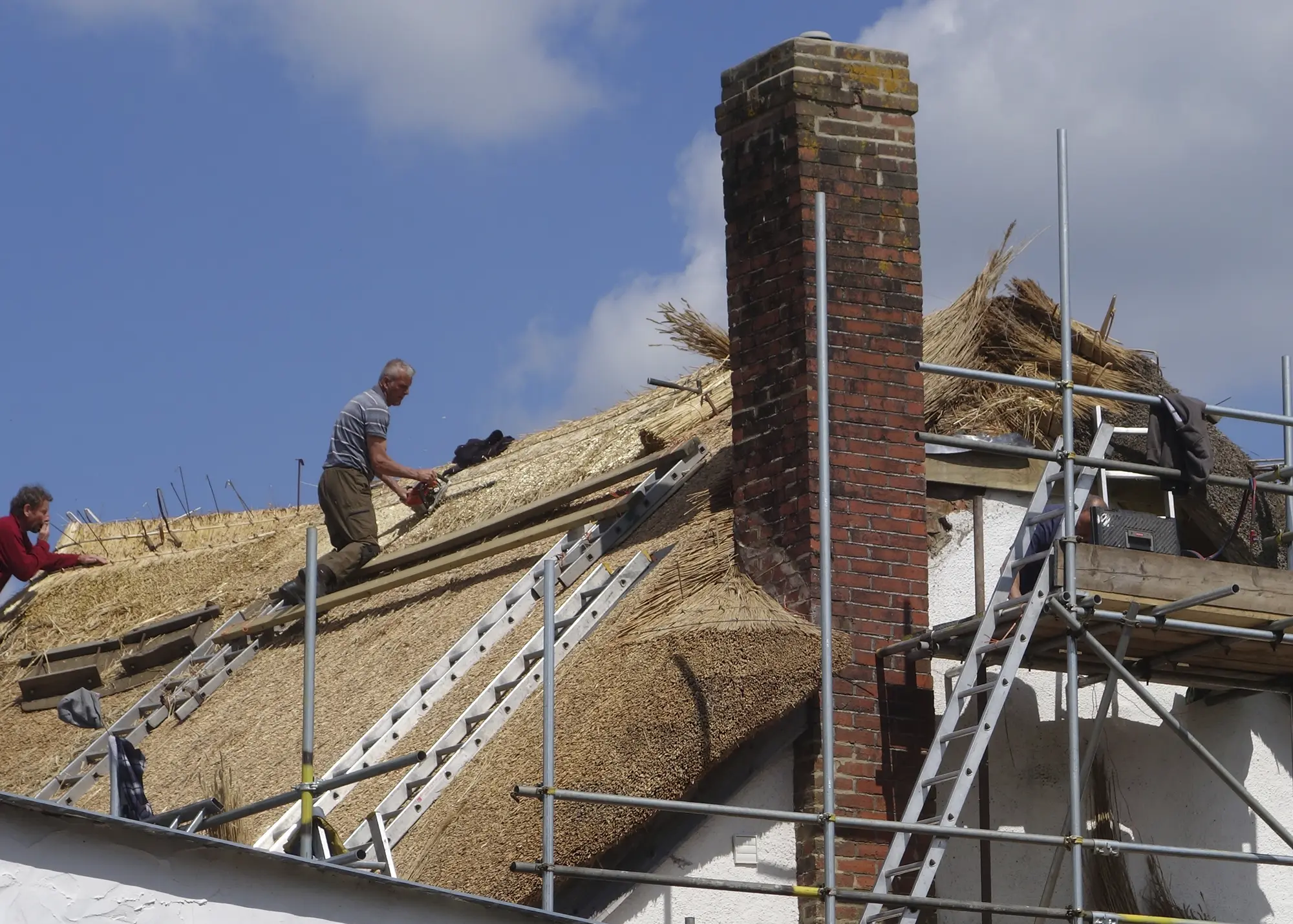
Replacing a roof at the right time can protect the whole property from bigger and more expensive damage. A professional Roof Replacement Service gives homeowners the chance to fix widespread roofing problems, improve weather protection, and reduce the risk of ongoing leaks.
A Failing Roof Can Let Water Spread Through the Home
Water damage is one of the biggest risks of keeping a failing roof for too long. Once rainwater enters through cracked tiles, rusted sheets, damaged flashing, or worn roof joints, it can travel through the roof space before it becomes visible inside the home.
A ceiling stain may appear in one room, but the actual leak could be several metres away. Water can move along timber beams, insulation, sarking, and plasterboard. Over time, this can lead to mould, sagging ceilings, damaged paint, soft timber, and musty smells.
Small repairs may help if the leak is isolated. However, if the roof has several weak points, replacing one damaged section may not solve the larger issue. A full roof replacement can stop repeated water entry and help protect the internal structure of the property.
Old Roofing Materials Can Lose Their Strength
Roofing materials wear down with age. Concrete tiles can become brittle, terracotta tiles can crack, metal sheets can rust, and old roof fixings can loosen. Ridge capping, bedding, pointing, sealants, and flashing can also break down after years of exposure to sun, rain, wind, and moisture.
When only one part of the roof is damaged, a repair may be enough. However, when several parts are failing at the same time, ongoing repairs can become a short-term fix. The roof may continue to leak, shift, or weaken because the overall system is no longer reliable.
A professional Roof Replacement can replace worn materials with new roofing designed to handle current weather conditions. This gives the home stronger protection and reduces the need for repeated repair work.
Roof Problems Can Affect Insulation and Energy Comfort
A damaged roof can also affect how comfortable the home feels inside. Gaps, leaks, poor ventilation, and damaged insulation can allow heat and moisture to build up in the roof space. During summer, this can make the home hotter. During cooler months, damp insulation may not perform properly.
If insulation becomes wet, compressed, or mouldy, it can lose effectiveness. This can increase pressure on heating and cooling systems and make rooms feel less comfortable. Moisture in the roof space can also create long-term issues for timber, plaster, and internal air quality.
Replacing a failing roof gives homeowners the chance to review insulation, ventilation, and moisture protection at the same time. This can help the property perform better as a complete system, not just look newer from the outside.
A Weak Roof Can Put Other Parts of the Property at Risk
A roof works with other parts of the home, including gutters, downpipes, fascia boards, eaves, wall cavities, and drainage points. When the roof fails, these connected areas can also suffer.
Blocked or damaged roof sections can send water into gutters too quickly or in the wrong direction. Rusted roofing can allow water to drip into eaves or ceiling spaces. Poorly sealed flashing can let moisture enter wall cavities. Over time, this can lead to timber rot, mould, stained walls, and damage around windows or upper-storey areas.
A roof replacement can help restore proper water flow and weather protection. When completed correctly, it can also reduce stress on gutters and drainage systems.
Replacing the Roof Can Improve Safety
A failing roof can become a safety concern, especially if there are loose tiles, rusted sheets, sagging sections, weak battens, or unstable ridge capping. Strong winds and storms can make these problems worse. Loose materials may shift, fall, or expose the home to sudden water entry.
Older roofs may also hide damage that is not easy to see from the ground. This includes weakened timber, long-term moisture damage, corroded fixings, or movement under the roof covering.
Using a professional Roof Replacement Service helps identify and address these risks properly. Instead of repeatedly patching visible issues, the roof can be assessed and replaced with a safer, more reliable system.
It Can Save Money Compared to Repeated Repairs
Many homeowners delay roof replacement because they want to avoid a larger upfront cost. This is understandable, but repeated repairs can become expensive over time. If a roof needs constant attention, the total cost of patching leaks, replacing tiles, resealing flashing, fixing internal water damage, and repainting ceilings can quickly add up.
A replacement may be more cost-effective when the roof is old, heavily weathered, or failing in multiple places. It can reduce unexpected repair bills and give homeowners more confidence during heavy rain or storms.
The key is to arrange a proper roof inspection before deciding. A roofer can explain whether repairs are still practical or whether replacement is the smarter long-term choice.
A New Roof Can Improve Street Appeal and Property Value
A damaged roof can make a property look older and poorly maintained, even if the inside of the home is in good condition. Stained tiles, rusted sheets, visible patches, sagging areas, and faded roofing can affect street appeal.
Replacing the roof can make the home look cleaner, stronger, and better cared for. This can be especially useful if the homeowner plans to sell, renovate, or improve the property’s overall appearance.
A new roof also gives buyers more confidence because roof problems are one of the issues many people worry about during property inspections.
When Should Homeowners Consider Roof Replacement?
Roof replacement may be worth considering when leaks keep returning, roof materials are brittle or rusted, repairs are becoming frequent, or the roof has widespread damage. It may also be needed when the roof is very old, poorly repaired in the past, or no longer suitable for the home.
Some signs to watch for include ceiling stains, mould smells, sagging sections, cracked tiles, loose ridge capping, rust, daylight visible in the roof space, and gutters that overflow because of roof drainage problems.
If these signs are present, homeowners should not wait until major damage appears. Early advice can help prevent larger structural and internal repair costs.
Final Thoughts
A failing roof can affect the whole property, not just the outside surface. Water entry, damaged insulation, timber rot, mould, poor drainage, safety risks, and repeated repair costs can all become serious if the roof is left too long.
Replacing the roof at the right time can protect the home, improve comfort, reduce maintenance stress, and support the property’s long-term value. A professional Roof Replacement Service can help homeowners understand the condition of their roof and choose the best solution before minor issues turn into major damage.