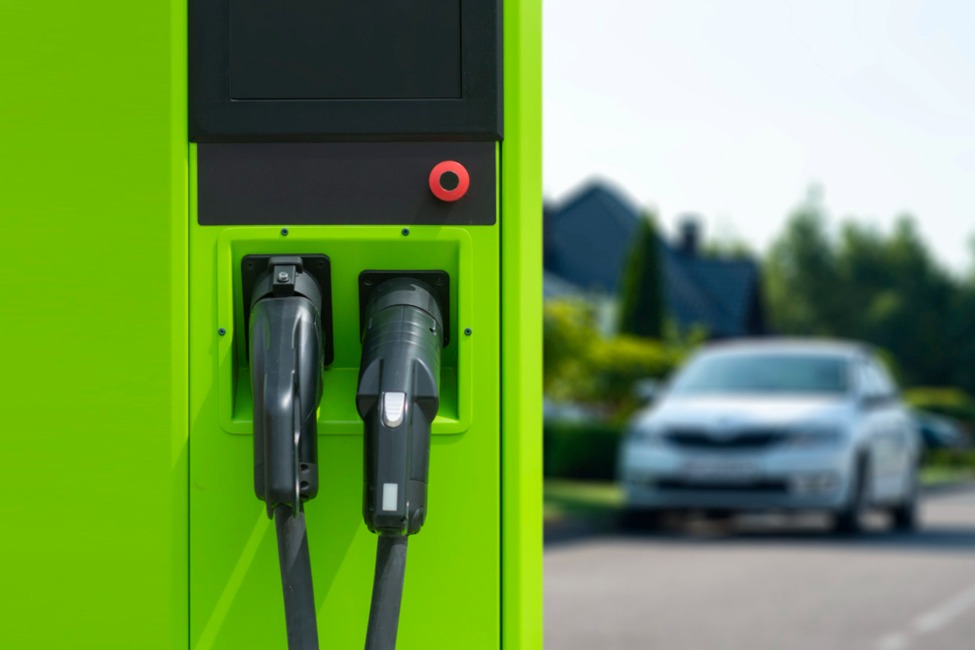
You just bought an electric vehicle, or you’re seriously thinking about it. The question almost everyone asks first: can I just plug my car into a regular outlet, or do I actually need a dedicated charger at home? And if so, what will it cost?
The short answer: a residential EV charger is strongly recommended, and the total cost depends on several factors that are worth understanding before you request a quote. Here’s what you need to know.
Level 1 vs. Level 2 Charging: A Difference That Changes Everything
Most EV owners in Quebec opt for a Level 2 charger (240V). A standard Level 1 charger plugs into a regular 120V outlet and can take more than 24 hours to fully charge a battery. A Level 2 unit charges most vehicles in 4 to 10 hours, depending on the vehicle’s battery capacity and the charger’s output.
For the vast majority of Quebec households that charge overnight, Level 2 is the practical, cost-effective choice for the long term.
Factors That Influence Installation Cost
The price of a home EV charger installation is not just the cost of the unit itself. Several variables come into play:
1. Distance Between the Electrical Panel and the Desired Location
The greater the distance, the more wiring is required, increasing both labor and material costs. Ideally, the charger is located adjacent to the panel or easily accessible from it.
2. Capacity of the Existing Electrical Panel
A standard Level 2 charger requires a dedicated 30- to 50-amp circuit. If your panel is already at capacity, common in homes with 60A or 100A service, a panel upgrade will be needed before the charger can be installed. This additional work can represent a significant portion of the total budget.
3. Charger Model and Brand
The market offers several quality options suited to Quebec’s residential context — particularly when it comes to winter performance. Key criteria to consider:
- Charging output (in kilowatts)
- Connectivity (smart charger vs. standard charger)
- Weather protection rating
- Energy management options (useful if you have multiple vehicles)
To compare available models, browse the EV charging station collection to evaluate your options by output, brand, and vehicle compatibility.
What Price Range Should You Expect?
Without citing figures that vary from one project to the next, the total cost typically includes: the charger unit, dedicated wiring supply and installation, circuit breaker installation, and the labor fees of a licensed RBQ electrician. In some cases, panel upgrade work adds to this.
The most accurate way to get a precise price is to request a free on-site quote from a licensed electrician who can assess your specific installation. Online estimates without a site visit are often inaccurate because they don’t account for the particularities of your home.
The Écorecharge Program: Financial Assistance Worth Knowing About
The Quebec government offers financial assistance for residential EV charger installation through the Écorecharge program. Eligible homeowners can receive a partial reimbursement of installation costs, subject to certain conditions.
As of April 1, 2026, eligibility requires the use of a connected smart charger, which directly affects your choice of unit. Key points to note:
- The charger must be purchased and installed in compliance with the program’s criteria
- Installation must be carried out by a holder of a valid RBQ license
- Exact details and amounts are available on the Transition énergétique Québec website
It is strongly recommended to verify your eligibility before ordering your equipment, since the program’s criteria may influence which charger you choose.
Why Hire a Licensed RBQ Electrician for Your Charger Installation?
In Quebec, all residential EV charger installations must be carried out by a master electrician who holds an RBQ license. This isn’t just a regulatory formality: a poorly executed installation can pose real risks of fire or power surge, void your charger’s warranty, and make you ineligible for financial assistance programs.
Electricians specializing in residential EV charger installation can:
- Assess your electrical panel’s capacity
- Confirm the optimal wiring distance
- Recommend units suited to your vehicle and climate
- Ensure compliance with Quebec’s Construction Code
Entrusting your charger installation to a qualified electrician guarantees both the safety of your home and the longevity of your equipment.
In Summary
The cost of a home EV charger depends on your current electrical setup, the desired location, the model you choose, and any additional work required. Before making a decision, three steps are essential:
- Check your electrical panel’s capacity
- Confirm your eligibility for the Écorecharge program
- Get a quote from an electrician who holds an RBQ license
A well-planned project is one that doesn’t come with unwelcome surprises when the invoice arrives.
Want to learn more about the factors that affect residential installation costs? Contact our team for a no-obligation assessment.