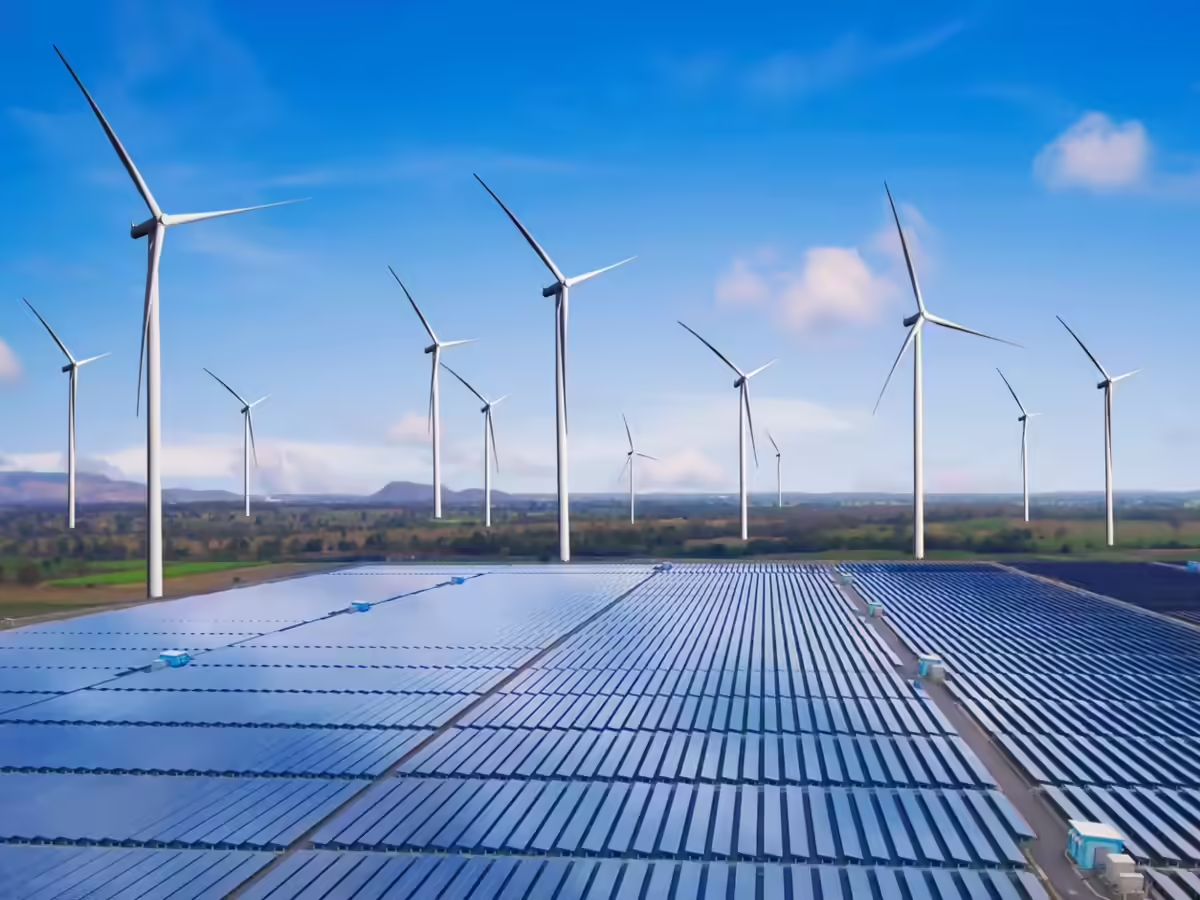
Shifting Market Dynamics in the Energy Sector
The energy market in 2026 is shaped by competing forces that influence how investors allocate capital. While renewable energy continues to expand, traditional energy sources remain deeply embedded in global infrastructure. Many industries still rely heavily on fossil fuels for transportation, manufacturing, and large-scale operations. This creates a complex environment where both sectors evolve simultaneously rather than one replacing the other outright. Investors evaluating long-term performance must consider how these dynamics affect pricing, demand, and overall market stability. Understanding these shifts helps clarify why oil and gas may continue to hold competitive advantages in certain economic cycles.
The Role of Global Demand and Supply Constraints
One of the strongest factors supporting oil and gas performance is the persistent global demand that remains steady even during periods of economic uncertainty. Developing nations continue to industrialize, increasing their need for reliable energy sources. At the same time, supply constraints caused by geopolitical tensions, production cuts, or infrastructure limitations can elevate prices. These conditions often create favorable environments for traditional energy companies, especially those with diversified assets and efficient operations. While renewable energy capacity is growing, it has not yet reached the scale required to offset global fossil fuel consumption. This imbalance contributes to the potential for continued strong returns in the traditional energy sector.
Investment Behavior and Market Cycles
Investor behavior plays a significant role in determining which sectors outperform during different phases of the economic cycle. Oil and gas often benefit during periods of inflation or geopolitical instability, as energy commodities tend to rise in value under these conditions. Institutional investors may also view traditional energy as a hedge against market volatility, particularly when renewable energy companies face supply chain challenges or high production costs. Additionally, dividend-paying oil and gas companies can attract investors seeking steady income. These patterns suggest that traditional energy may continue to outperform in specific market environments, even as renewables gain traction.
Technological Advancements in Traditional Energy
While renewable energy receives significant attention for innovation, the oil and gas industry has also made substantial technological progress. Enhanced drilling techniques, improved extraction methods, and advanced monitoring systems have increased efficiency and reduced operational costs. These innovations allow companies to remain competitive and adapt to changing regulatory landscapes. Furthermore, many traditional energy firms are investing in carbon-reduction technologies, positioning themselves for a future where environmental compliance becomes increasingly important. These advancements help strengthen the long-term viability of the sector and contribute to its potential for continued strong performance.
The Case for American Energy Investments
Investors evaluating the broader energy landscape often consider the stability and resource capacity of the United States. Domestic production remains a major contributor to global supply, supported by robust infrastructure and a skilled workforce. The U.S. energy sector also benefits from regulatory frameworks that encourage innovation and investment. Many investors see American oil and energy investments as a strategic opportunity due to the country’s ability to maintain consistent output and respond quickly to market changes. This stability, combined with ongoing technological improvements, reinforces the argument that oil and gas may continue to outperform in certain investment scenarios.
Conclusion
Oil and gas may still outperform green energy investments due to global demand, supply constraints, technological advancements, and investor behavior during volatile economic cycles. While renewable energy continues to grow, traditional energy remains essential to global infrastructure and industrial development. Investors who understand these dynamics can better evaluate how each sector fits into their long-term strategies. The energy landscape is evolving, but oil and gas continue to demonstrate resilience and competitive strength. A balanced perspective allows investors to navigate this changing environment with greater confidence.