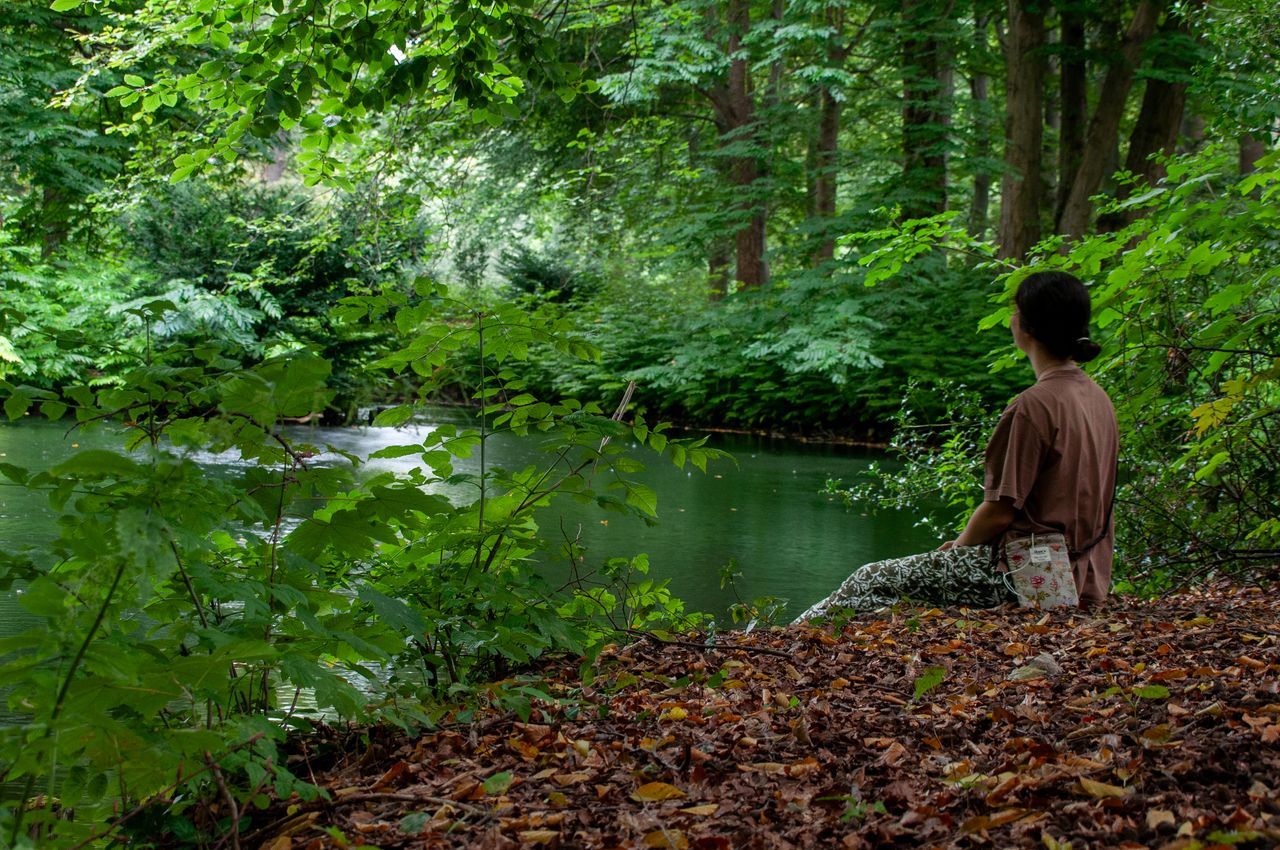
There is a reason so many people head to the beach, the mountains, or a quiet trail when life feels overwhelming. Time in nature has a way of slowing things down. The sound of waves, the feel of fresh air, and the sight of open sky can help the mind settle in ways that are hard to find indoors. For people working through addiction or mental health challenges, nature-based settings can play a meaningful role in the healing process.
How Natural Surroundings Can Support Recovery
Early recovery is often a time of big emotions and physical changes. Cravings, poor sleep, restlessness, and stress can all feel intense. Being in a calm, natural setting will not make these challenges disappear, but it can give people a gentler backdrop for facing them. This is one reason some people choose a Hawaii inpatient drug rehab program or other residential care surrounded by natural beauty, where they can step away from daily triggers and focus on their health.
Nature can also offer a break from the constant noise of modern life. Without the pull of traffic, crowded spaces, and endless screens, many people find it easier to reflect, rest, and engage with their care.
What Makes Nature Restorative
People have long described feeling better after time outdoors. Several everyday factors may help explain why.
Slower Pace
Natural settings tend to move at a slower rhythm. Watching clouds, listening to birds, or walking along a shoreline can encourage the mind to shift out of a rushed, anxious state.
Physical Movement
Outdoor settings invite movement, whether it is walking, swimming, gardening, or stretching. Regular physical activity is widely linked with better mood and sleep.
Natural Light
Sunlight helps regulate the body’s internal clock. Getting daylight, especially in the morning, can support more regular sleep patterns, which are often disrupted during early recovery.
A Sense of Perspective
Standing near the ocean or looking out over a valley can make personal worries feel a bit smaller. Many people describe a feeling of connection to something larger than themselves.
Alcohol, Stress, and the Value of Calm
Alcohol is one of the most common substances people turn to when they are stressed, anxious, or lonely. Over time, drinking to cope can make those feelings worse and lead to a cycle that is hard to break. According to the National Institute on Alcohol Abuse and Alcoholism, alcohol use disorder is a medical condition that can be treated, and most people who get treatment benefit from it in some way. Learning healthier ways to manage stress is an important part of that process.
Nature-based activities can become some of those healthier tools. A walk, a swim, or time spent quietly outdoors can offer relief without the harmful effects of drinking.
Nature-Based Activities in Treatment
Many programs build outdoor experiences into their daily schedules. These activities are usually offered alongside therapy, medical care, and group support rather than in place of them.
Common examples include:
- Guided walks or hikes
- Gardening or caring for plants
- Yoga or stretching outdoors
- Mindfulness practice in natural settings
- Beach or water activities, when safe and appropriate
- Quiet time for journaling outside
These experiences can help people practice being present, notice their emotions, and build confidence in new routines.
Bringing Nature Into Everyday Recovery
Not everyone lives near a beach or forest, and not everyone will attend a residential program. The good news is that the benefits of nature can be part of daily life almost anywhere.
Some simple ideas:
- Take a short walk outside each day, even around the block
- Eat a meal outdoors when the weather allows
- Keep plants in your home or workspace
- Visit a local park on weekends
- Sit near a window with natural light while reading or journaling
- Try an outdoor group activity, such as a walking club
These small habits can add structure to the day and provide healthy ways to manage stress and cravings.
Nature and Connection With Others
Outdoor settings can also make it easier to connect with others. Talking side by side on a walk often feels less intense than sitting face to face. Group activities in nature can build trust and a sense of belonging, which are important parts of recovery.
For families, spending time outdoors together can be a way to reconnect after a difficult period. Shared experiences like hiking, picnics, or visiting a beach can create new, positive memories that are not centered on substance use.
Keeping Expectations Realistic
Nature is a helpful support, but it is not a substitute for professional care. People with substance use disorders or mental health conditions often need therapy, medical support, and ongoing recovery services. Nature-based settings work best as one part of a broader plan that addresses a person’s full range of needs.
It is also important to choose outdoor activities that match a person’s physical health and comfort level. Starting small and building up over time is a sensible approach.
Designing a Life That Supports Recovery
Recovery is not only about stopping substance use. It is also about building a life that feels steady, meaningful, and worth protecting. Spending time in nature can be one piece of that life, offering calm, movement, and a sense of connection. Whether it is a daily walk, a weekend in the park, or a stay in a restorative residential setting, making room for the outdoors can help support healing. By choosing routines and places that bring peace, people can create surroundings that make lasting recovery feel more possible.