Venturing into oolong tea is like finding a happy medium between the bright freshness of green tea and the rich depth of black tea. With oolong, you can have creamy and floral notes, as well as dark aromas, all in one sitting. In this blog, you will look into what goes on behind the scenes of this tea’s traditional craftsmanship and sensory journey, which turns this drink into more than just a beverage.
The Art of Partial Oxidation
From ten per cent to forty or fifty per cent, this creates a middle ground of tastes and colours which can be enjoyed by a wide spectrum. Achieving this balance is a responsibility of the master tea maker, who monitors the settings and leaves to arrive at the kind of result they want each time. Due to this high level of skill, each batch of tea tells its own story about the weather and hands that shaped it from harvest.
Exploring the Diverse Flavour Profiles
The permutations are one of the exciting elements of this variety, because you can never say in advance how it will taste until after your first sip from the cup. A light oolong with notes of spring lilies and sweet honey or a darker variety that evokes toasted nuts and ripe stone fruits. This variety is described as having a good flavour in which the notes shift as the liquid cools down or you steep the same leaves.
Noticing the Unique Leaf Shapes
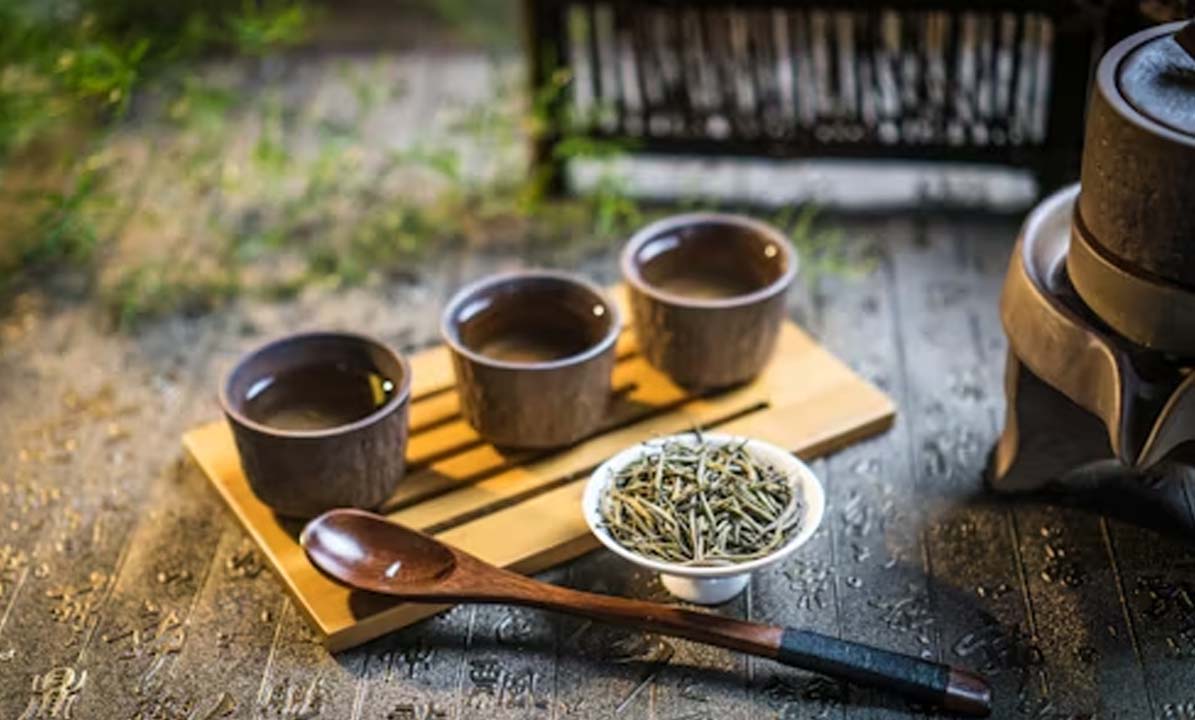
When you look at the dry leaves, you will notice they are tightly rolled into small pearls or twisted into dark strands. These shapes are not just for show but are a traditional way to preserve the essential oils and the fragrance inside the leaf structure. As you add hot water, the leaves slowly unfurl and expand to their full size, which creates a beautiful visual display in your glass teapot or brewing bowl.
The Tradition of Multiple Infusions
Enthusiasts often prefer this tea because it is designed to be steeped many times over a single session without losing its character. The third or fourth infusion is the most balanced and flavourful, as the tightly rolled leaves finally open up completely. Each round of water brings out a different layer of the tea’s personality, which makes it a very economical and rewarding choice for a relaxing afternoon.
Appreciating the Creamy and Smooth Texture
Oolong tea often features a smooth mouthfeel that is very different from the astringency found in some other tea types. The liquid coats your tongue and leaves a lingering sweetness that stays with you long after you have finished the actual drink. This creamy texture is a result of specific cultivars and the careful roasting process that transforms the natural proteins and sugars within the tea plant.
Understanding the Importance of Terroir
The location where the tea is grown plays a massive role in the final quality and the value of the product. Look for leaves that come from high-altitude gardens where the cool mist and the rocky earth force the plants to grow more slowly and develop more concentrated flavours. These environmental factors create a mineral note in the tea that is highly sought after by collectors and experts all around the world.
Using the Right Brewing Equipment
To get the most out of your leaves, use a small clay pot or a traditional lidded bowl that allows you to control the water flow and temperature accurately. Using a smaller vessel with a higher leaf-to-water ratio creates a more concentrated and aromatic infusion that highlights the intricacy of the tea. This style of brewing is a way to engage with the tea and ensure that every cup is prepared to your exact liking.
A Summary of the Oolong Tea Experience
The oxidation levels and the traditional rolling techniques create a drink that is both complex and incredibly rewarding to explore at home. By taking the time to learn about the origin and the brewing methods, you can elevate your tea drinking into a true hobby that provides endless variety and pleasure. Embracing the world of oolong brings a touch of luxury and tradition into your modern daily lifestyle.