Modern homebuyers are no longer satisfied with rigid layouts and cookie-cutter designs. Today’s housing market is shifting toward creativity, flexibility, and personalization. Floor plans have become a defining feature of a home’s value and livability, influencing how people interact with their spaces every day. From open-concept living to multi-functional rooms, architectural trends are reshaping the meaning of “home.” Let’s explore the most popular unique floor plan ideas that are capturing the attention of buyers and designers alike.
Open-Concept Living Still Leads the Way
One of the most enduring trends in residential design is the open floor plan. By removing unnecessary walls between the kitchen, dining, and living areas, homes feel larger, brighter, and more connected. This layout encourages social interaction and allows natural light to flow freely throughout the space.
However, modern open-concept designs are becoming more refined. Instead of one massive undivided space, designers are now using partial walls, furniture placement, and ceiling variations to subtly define zones without losing openness.
Flexible and Multi-Functional Spaces
Today’s homeowners value adaptability more than ever. Rooms are no longer designed for a single purpose. A guest room might double as a home office, or a dining area may transform into a study zone.
This trend is especially popular in urban homes where square footage is limited. Built-in storage, sliding partitions, and modular furniture help spaces evolve based on daily needs. The idea is simple: a home should work with your lifestyle, not restrict it.
Seamless Indoor-Outdoor Integration
Blurring the line between indoor and outdoor living is another major architectural trend. Large sliding glass doors, retractable walls, and outdoor lounges are becoming standard features in modern floor plans.
Patios are now treated as extensions of the interior, often furnished and styled like indoor rooms. This design approach enhances natural ventilation, expands usable space, and creates a stronger connection with nature.
Smart Layouts for Smart Homes
Technology is also influencing how floor plans are designed. Smart homes require thoughtful placement of devices, charging stations, and automation systems. Designers are incorporating dedicated tech hubs, hidden wiring systems, and centralized control areas into layouts.
Lighting and climate control systems are often integrated into the architecture itself, ensuring convenience without clutter. This makes the home more efficient while maintaining a clean and modern aesthetic.
Sustainable and Energy-Efficient Designs
Sustainability is no longer optional—it’s a priority. Unique floor plans now often consider solar orientation, natural airflow, and energy conservation. Homes are designed to maximize daylight exposure while minimizing heat loss.
Eco-friendly materials and passive cooling strategies are also shaping modern layouts. Energy efficiency is being built directly into the structure rather than added as an afterthought.
Creative Shapes and Non-Traditional Layouts
Architects are increasingly experimenting with asymmetrical designs, split-level homes, and curved walls. These unconventional layouts add character and make properties stand out in competitive markets.
Instead of uniform boxes, homes now feature dynamic flow patterns that guide movement naturally from one space to another. Staircases are often central design features rather than hidden utilities.
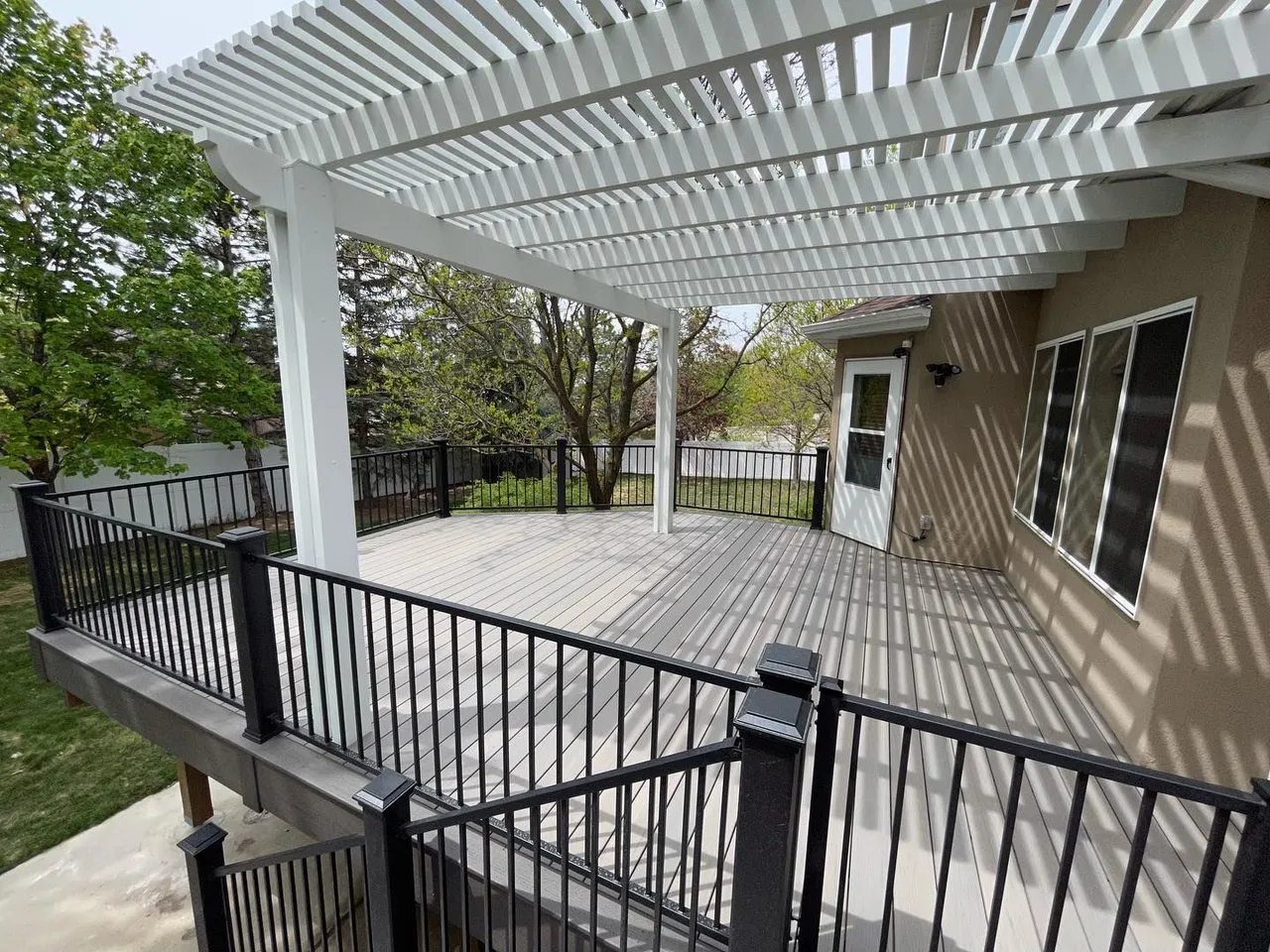
In some luxury builds, personalized details like handcrafted finishes and regional craftsmanship are becoming more common. For example, premium builds may incorporate elements like custom railings in Utah, reflecting both local artistry and modern design preferences.
Personalization Defines Modern Luxury
The biggest trend in floor plans today is personalization. Homebuyers want spaces that reflect their identity, habits, and aspirations. Whether it’s a private reading nook, a wellness room, or a custom entertainment area, individuality is key.
Designers are responding by offering highly customizable layouts where buyers can adjust room sizes, configurations, and finishes before construction even begins.
In Conclusion
Unique floor plans are redefining what it means to live comfortably and stylishly. From open layouts and flexible rooms to sustainable and tech-integrated designs, architecture is evolving to meet modern expectations. Homebuyers are no longer just purchasing a structure—they are investing in a lifestyle shaped by thoughtful design.
As trends continue to evolve, one thing is clear: the future of home design is not just about building houses, but about creating personalized living experiences that adapt, inspire, and endure.