Indoor environments are meant to provide comfort, safety, and protection, yet hidden biological contaminants can quietly compromise these expectations. One of the most persistent and damaging issues in buildings is mold growth. It develops in areas where moisture is present and often spreads unnoticed behind walls, under flooring, inside ceilings, and within ventilation systems. Because it is not always visible, it can remain active for long periods before being discovered. Addressing this problem requires a structured approach, and mold removal becomes an essential process for restoring both environmental safety and structural integrity.
Mold is a type of fungus that spreads through microscopic spores carried by air. These spores settle on damp surfaces and begin to grow when conditions are favorable. Warm temperatures, humidity, and poor ventilation create an ideal environment for rapid mold expansion. While some growth appears as visible patches on surfaces, a significant portion remains hidden, making it difficult to detect without proper inspection and treatment. This hidden growth is what makes mold particularly dangerous in indoor spaces.
How Moisture Creates the Foundation for Mold Growth
Moisture is the primary factor that allows mold to survive and spread. Without water, mold cannot grow, which makes damp environments highly vulnerable. Water leaks from plumbing systems, roof damage, condensation on cold surfaces, and flooding events are all common sources of moisture that lead to mold development.
Even small leaks that go unnoticed can create long-term problems. Water can seep into walls, floors, and insulation materials, providing a hidden environment where mold thrives. High humidity levels also contribute significantly to the issue, especially in enclosed spaces where air circulation is limited. Bathrooms, kitchens, basements, and storage areas are often the most affected zones due to frequent exposure to moisture.
Once mold begins to grow, it spreads quickly across surfaces and into hidden cavities. This is why early identification and intervention are important. In many cases, professional mold removal is required to fully eliminate the contamination and prevent it from returning.
Why Mold Becomes a Serious Indoor Threat
Mold is not only a surface-level problem; it is a biological contaminant that affects both air quality and structural integrity. As it grows, it releases spores into the air, which can circulate throughout the entire building. These spores are invisible to the human eye but can still impact health when inhaled.
Exposure to mold spores can lead to a range of health symptoms. Some individuals may experience mild allergic reactions such as sneezing, coughing, or skin irritation, while others may develop more serious respiratory issues. People with asthma, allergies, or weakened immune systems are especially sensitive to mold exposure.
Beyond health concerns, mold also damages building materials. It feeds on organic substances such as wood, paper, and drywall, slowly breaking them down over time. This can weaken walls, ceilings, and flooring structures. If left untreated, the damage can become severe enough to require extensive repairs. This is why mold removal is not just about cleaning but about restoring safety and preventing further deterioration.
The Process of Identifying Mold Contamination
Before any treatment can begin, it is important to understand the extent of the problem. Mold is often hidden, which means it cannot always be identified through visual inspection alone. A more detailed assessment is required to determine the presence and severity of contamination.
Moisture detection tools are commonly used to locate damp areas that may not be visible. Thermal imaging devices can help identify temperature differences that indicate hidden water intrusion. Air sampling is also used to measure the concentration of airborne spores, while surface sampling confirms the presence of mold on materials.
These methods provide a clear picture of indoor conditions and help determine the best course of action. Without accurate identification, attempts at cleanup may be incomplete, allowing mold to return. This is why proper evaluation is an important step before beginning mold removal procedures.
The Importance of Safe and Controlled Removal
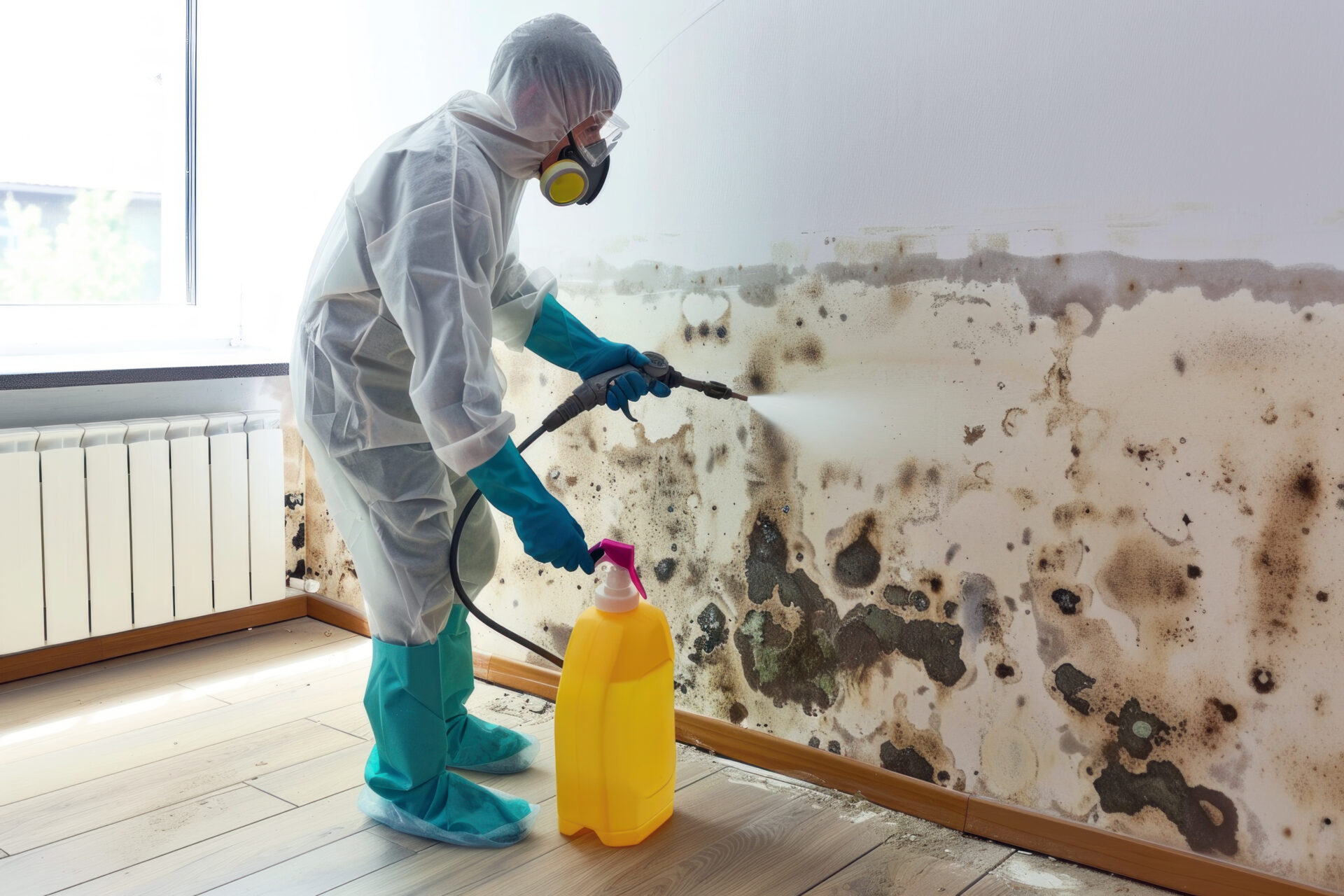
Removing mold is not as simple as wiping it away. Improper cleaning can spread spores into the air, making the problem worse. Safe removal requires careful containment to prevent contamination from spreading to unaffected areas.
The process typically begins by isolating the affected zone. Protective barriers are used to prevent spores from moving through air circulation. Air filtration systems may also be used to capture airborne particles during the process.
Once containment is established, contaminated materials are carefully removed or treated. In some cases, porous materials such as drywall or insulation may need to be replaced entirely, as they cannot be fully cleaned once deeply contaminated. Non-porous surfaces can often be cleaned using specialized solutions designed to eliminate fungal growth.
After removal, thorough cleaning and drying are essential. Moisture control is critical to ensure that mold does not return. This stage is just as important as the removal itself because any remaining dampness can restart the growth cycle.
Health Protection During Mold Exposure and Cleanup
One of the key concerns during mold contamination is exposure to airborne spores. During removal activities, spores can become disturbed and increase in concentration in the air. This makes protective measures necessary to safeguard individuals involved in the process.
Proper ventilation, protective clothing, and air filtration are commonly used to minimize exposure. Individuals with respiratory conditions should avoid direct contact with affected areas during cleanup activities. In professional environments, specialized equipment is used to maintain air quality and reduce risk.
Once mold removal is complete, improved indoor air quality is often noticeable. Reduced odor, fewer allergens, and cleaner airflow contribute to a healthier living environment. This demonstrates how important proper handling is during the entire process.
Structural Damage and Long-Term Risks
Mold does not only affect surface appearance; it actively damages building materials over time. Wood structures can become weakened, drywall can lose integrity, and insulation can become ineffective. As mold spreads deeper into materials, it becomes more difficult to remove and control.
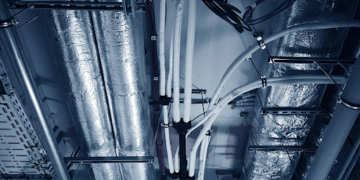
In advanced cases, mold can spread into ventilation systems, allowing spores to circulate throughout the entire building. This can lead to recurring contamination even after surface cleaning. Addressing such issues requires comprehensive mold removal strategies that target both visible and hidden growth.
Ignoring the problem can lead to long-term deterioration of the building. Repair costs increase significantly when damage becomes widespread. This makes early intervention essential for both safety and financial reasons.
Prevention Through Moisture and Air Control
Preventing mold is always more effective than dealing with it after it develops. Moisture control is the most important preventive measure. Fixing leaks immediately, maintaining proper drainage, and ensuring dry conditions are essential steps.
Ventilation also plays a key role in prevention. Good airflow reduces humidity levels and prevents moisture buildup. Using exhaust fans in bathrooms and kitchens helps remove excess moisture from the air. Dehumidifiers can also be used in areas with consistently high humidity.
Regular maintenance and inspection of plumbing systems, roofing, and ventilation units help identify potential issues before they become serious. Even in well-maintained buildings, periodic mold removal assessments can help ensure that no hidden growth is developing.
Professional Approach to Mold Restoration
When contamination is extensive or hidden, professional intervention becomes necessary. Experts use advanced tools and techniques to identify, contain, and eliminate mold safely. Their approach is based on scientific assessment and structured remediation methods.
The process begins with inspection and testing to determine the extent of contamination. After identification, containment measures are applied to prevent spread. Removal follows, using specialized equipment and cleaning solutions. Finally, drying and post-cleaning verification ensure that the environment is safe and stable.
Professional mold removal ensures that the issue is addressed thoroughly rather than temporarily covered. This reduces the risk of recurrence and helps restore safe indoor conditions.
Long-Term Benefits of Proper Mold Management
Effective mold management provides long-term benefits for both health and property preservation. Cleaner air, reduced allergens, and improved living conditions contribute to overall well-being. Structurally, buildings remain stronger and more durable when mold is properly controlled.
Regular inspections and preventive maintenance reduce the likelihood of future contamination. When combined with proper moisture control, these practices create a stable and safe indoor environment.
In addition, addressing mold issues early helps avoid costly repairs and extensive restoration work. Timely action ensures that damage is minimized and controlled effectively.
Conclusion
Mold is a hidden yet powerful issue that can affect indoor environments in multiple ways. Its ability to grow in concealed areas makes it difficult to detect without proper evaluation, and its impact on health and structure can become severe if ignored. Moisture, poor ventilation, and water damage all contribute to its development, often silently.
Understanding the nature of mold growth highlights the importance of early detection, proper assessment, and controlled treatment. Safe and effective mold removal is essential for restoring indoor environments and preventing long-term damage.
By focusing on prevention, moisture control, and timely intervention, it is possible to maintain healthier and safer indoor spaces. A proactive approach ensures that buildings remain protected and occupants can live and work in clean, stable environments free from hidden contamination.