Introduction to Modern Cleaning Standards
In modern society, cleanliness has evolved from being a basic necessity into a critical component of health, productivity, and professional image. Whether in corporate environments, educational institutions, healthcare settings, or commercial complexes, maintaining a consistently clean and hygienic space is essential for smooth daily operations. Clean environments reduce health risks, improve mental clarity, and create a sense of order that directly influences how people feel and perform within a space. As organizations grow and spaces become larger and more complex, the need for structured and reliable cleaning systems becomes even more important.
Professional cleaning is no longer limited to simple dusting or surface wiping. It involves systematic processes, trained personnel, specialized equipment, and carefully planned schedules that ensure every area of a facility receives proper attention. Floors, restrooms, common areas, workstations, and high-touch surfaces all require different levels of care and treatment. The purpose is not only to enhance appearance but also to maintain hygiene standards that protect occupants from bacteria, viruses, and allergens that can accumulate over time.
Role of Structured Cleaning in Facility Management
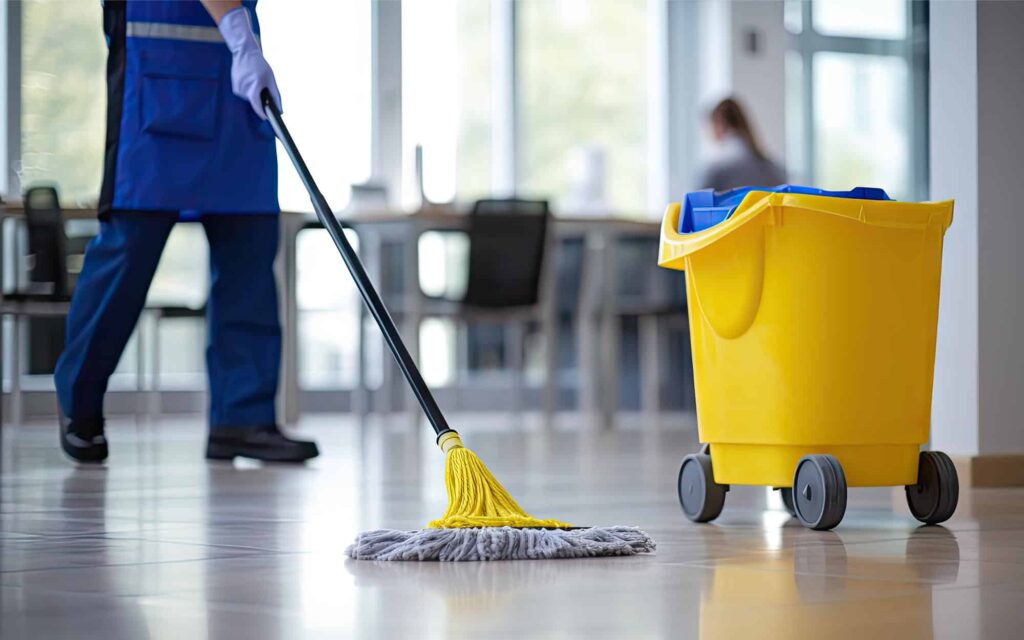
One of the most significant aspects of modern facility maintenance is the structured approach used to manage daily cleaning operations. In many organizations, cleanliness is supported by dedicated teams that follow strict routines designed to keep environments consistently safe and presentable. Within this framework, Janitorial service plays a central role in ensuring that all routine cleaning tasks are performed efficiently and without disruption to daily activities. This type of service typically covers a wide range of responsibilities, including sanitizing restrooms, maintaining floors, emptying waste containers, and disinfecting frequently used surfaces, all of which contribute to a healthier and more organized environment.
Importance of Clean and Hygienic Environments
The importance of maintaining clean surroundings extends far beyond visual appeal. Scientific studies consistently show that clean environments reduce the spread of illness and infection, particularly in shared spaces where large numbers of people interact daily. Dust accumulation and improper sanitation can lead to respiratory problems, allergic reactions, and general discomfort, all of which negatively impact productivity and well-being. A properly maintained facility helps reduce these risks by ensuring that harmful contaminants are regularly removed and that hygiene standards are consistently upheld.
In addition to health benefits, cleanliness also has a strong psychological impact. People tend to feel more relaxed, focused, and motivated in clean and well-organized environments. Cluttered or dirty surroundings can create stress, distraction, and a sense of disorder that affects performance and decision-making. This is particularly important in workplaces where employees spend long hours and rely on their environment to support concentration and efficiency.
Impact on Professional Image and Reputation
Another key advantage of structured cleaning systems is their impact on organizational image. The condition of a facility often forms the first impression for clients, visitors, and partners. A clean and well-maintained environment communicates reliability, attention to detail, and professionalism. On the other hand, poorly maintained spaces can create a negative impression that affects trust and credibility. This is why many organizations prioritize cleanliness as part of their overall business strategy, recognizing that appearance plays a direct role in reputation and customer experience.
Long-Term Benefits of Regular Maintenance
Beyond appearance and health, proper cleaning also contributes to the long-term preservation of infrastructure and assets. Floors, carpets, furniture, and fixtures all experience wear and tear over time, especially in high-traffic areas. Regular maintenance helps extend the lifespan of these assets by preventing buildup of dirt and damage. For example, carpets that are regularly cleaned retain their texture and color longer, while properly maintained flooring remains durable and safe for extended use. This reduces the need for frequent repairs or replacements, ultimately saving costs in the long run.
Tools and Technology in Modern Cleaning
Modern cleaning systems rely heavily on advanced tools and technology. Equipment such as industrial vacuum cleaners, floor polishers, steam cleaning machines, and microfiber-based tools allow for more efficient and thorough cleaning compared to traditional methods. These tools are designed to reach deep into surfaces, remove hidden dirt, and sanitize areas more effectively. In addition, eco-friendly cleaning products have become increasingly popular, offering non-toxic alternatives that reduce environmental impact while maintaining high hygiene standards.
Training and Professional Skills in Cleaning Services
Training and professionalism also play a crucial role in effective cleaning operations. Cleaning personnel are often trained in proper handling of equipment, safe use of cleaning chemicals, and adherence to hygiene protocols. This ensures that tasks are performed not only efficiently but also safely, minimizing risks to both staff and building occupants. Attention to detail is a key quality in this field, as even small overlooked areas can become sources of contamination or discomfort if not properly addressed.
Industry-Specific Cleaning Requirements
Different industries have varying cleaning requirements based on the nature of their operations. For instance, healthcare facilities require strict sanitation protocols to prevent infection and ensure patient safety, while educational institutions focus on maintaining hygienic environments for students and staff. Commercial spaces prioritize visual cleanliness and customer experience, whereas industrial environments may require specialized cleaning methods to handle heavy-duty waste and machinery maintenance. Despite these differences, the underlying goal remains the same: maintaining a safe, clean, and functional environment.
Cost Efficiency and Value of Cleaning Services
Cost considerations are also an important factor when implementing cleaning systems. While some organizations may view professional cleaning as an additional expense, it is more accurately considered an investment in operational efficiency and asset protection. Proper maintenance reduces the likelihood of costly repairs, minimizes downtime due to illness or unsafe conditions, and enhances overall workplace performance. Flexible service arrangements allow organizations to choose cleaning schedules and service levels that align with their specific needs and budgets, ensuring both affordability and effectiveness.
Consistency and Quality Control in Cleaning Operations
Another important aspect of facility maintenance is consistency. Irregular or poorly managed cleaning schedules can lead to the rapid accumulation of dirt and hygiene issues, which become more difficult and expensive to address over time. Consistency ensures that cleanliness is maintained at all times, preventing problems before they develop. This requires careful planning, coordination, and accountability within cleaning teams to ensure that no area is neglected.
Waste Management and Environmental Responsibility
Waste management is also a critical component of maintaining clean environments. Proper disposal of waste materials helps prevent odors, pest infestations, and environmental contamination. Organized waste collection systems ensure that garbage is removed regularly and disposed of in compliance with environmental standards. This contributes to both hygiene and sustainability goals, supporting a cleaner and more responsible operational framework.
Continuous Improvement in Cleaning Practices
In many organizations, maintaining high standards of cleanliness is a continuous process rather than a one-time task. It requires ongoing attention, regular evaluation, and adaptation to changing needs. As facilities grow and usage patterns evolve, cleaning strategies must also be adjusted to ensure continued effectiveness. This dynamic approach ensures that cleanliness remains a consistent priority rather than an occasional effort.
Importance of Janitorial Service in Daily Operations
The role of a Janitorial service provider is especially important in this context, as they are responsible for managing daily cleaning tasks that keep facilities functional and hygienic. Their work ensures that essential cleaning activities are carried out consistently, allowing organizations to focus on their core operations without worrying about maintenance issues. By handling routine sanitation and upkeep, they contribute significantly to creating safe, organized, and productive environments.
Conclusion
Ultimately, cleanliness is not just about appearance; it is about creating conditions that support health, efficiency, and long-term success. A well-maintained environment reflects discipline, care, and responsibility, all of which are essential qualities for any organization. Through structured systems, trained personnel, and consistent effort, professional cleaning practices ensure that spaces remain safe, welcoming, and efficient for everyone who uses them.