
People have changed the way they find and buy things for their homes. For a long time, people used Google to find things like furniture and wall art and rugs for their homes. They would search for ideas on Google and look at products on Google. They would also read what other people thought of these products on Google and then buy one of these products.
Now people find things for their homes in a different way. Places like TikTok Shop are changing the way people find things they want to buy for their homes and the way people interact with brands that sell things for their homes. Instead of searching for things for their homes on Google, people are finding things for their homes when they look at posts on their feeds on TikTok.
Discovery Is Replacing Traditional Search
One of the changes in online shopping is moving from intentional search to passive discovery. Traditional search engines require users to know what they are looking for. Social platforms work differently. They show products and ideas before consumers even realize they want them.
This model works for home decor. Many purchases in this category are driven by inspiration, not necessity. A shopper may not plan to buy an accent chair but a compelling video can create immediate interest.
As a result, platforms based on discovery are becoming retail channels. Consumers are spending time scrolling through content and less time typing queries into search engines. This shift is forcing retailers to rethink how they allocate marketing budgets and attract customers.
TikTok Shop Is Shortening the Path to Purchase
Traditional ecommerce often involves steps. Consumers discover a product, visit a website, compare alternatives, read reviews and then decide whether to buy or not. TikTok Shop compresses these stages into an experience.
Users can discover a product, watch demos, read comments and complete a purchase within minutes. This streamlined process reduces friction. Moreover, it increases conversion opportunities.
For home decor retailers, this means content is becoming as important as product selection. The brands generating sales are often those creating engaging videos that demonstrate style, functionality and transformation.
The Rise of Social Proof in Buying Decisions
People trust people more than they trust advertisements. This is really important when it comes to buying things. Social media sites are popular because they are fun and they also have recommendations from everyday users, influencers and creators.
When people see products being used in homes, they feel better about buying them. This is because they see what real people think, not just what the company says.
Home decor companies can get their name there if they ask their customers to share pictures of how they decorated their rooms. They can also ask for images of how they styled their new furniture or what they thought of the installation process. When customers share their experiences, it means a lot more than a fancy advertisement from the company. These real reviews from customers can actually influence what people buy more than the company’s marketing efforts.
Home Decor Has Always Been a Visual Category
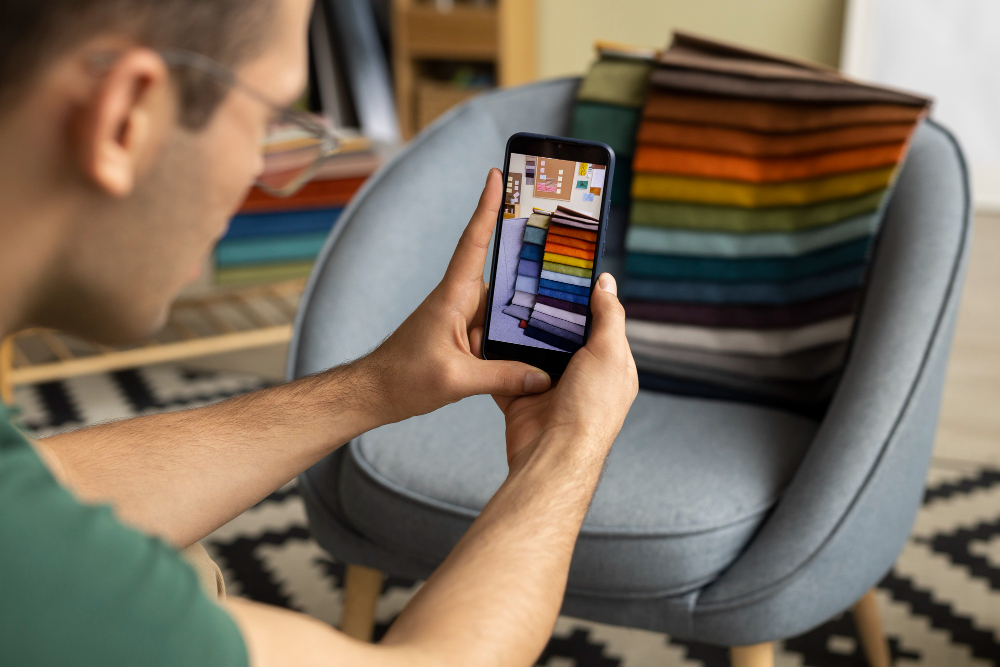
Home decor relies heavily on visual appeal. Consumers want to see how products fit into spaces. They want inspiration, styling ideas and examples of how items can transform a room.
Devon Howard, CEO of Andor Willow, said, “Home decor is a visual purchase. People do not search for a throw pillow; they stumble across one that stops them. TikTok Shop did not create that behavior; it just built a checkout around it. Brands that keep pouring budget into search are essentially paying to intercept a journey that no longer starts on Google.”
This insight highlights why social commerce is gaining traction. TikTok did not change consumer psychology. It just made it easier for consumers to move from inspiration to purchase without leaving the platform.
Social Media Is Shaping Larger Purchase Decisions
The impact of commerce extends beyond inexpensive decor items. Larger purchases are also being influenced by content. Products that once required research are increasingly being discovered and evaluated through social platforms.
For high-value purchases like cabinetry, we are seeing social platforms compress what used to be a week’s research cycle. A thoughtfully designed kitchen transformation video can move someone from a cold audience to a quote request faster than any paid search campaign we have run.
This shift demonstrates how powerful visual storytelling can be. Consumers are forming preferences earlier in the buying process. Often before they begin formal research.
Google Matters but Its Role Is Changing
Despite the rise of TikTok Shop and social commerce, Google remains important. However its function within the sales funnel is evolving.
Many consumers now discover brands through platforms before turning to search engines for additional information. Rather than initiating the buying journey, search increasingly serves as a validation tool.
Consumers may search for reviews, company information, pricing details or product comparisons after discovering a brand. This means search remains valuable. Its position in the conversion process has shifted.
The Most Effective Strategy Combines Social and Search
The debate between TikTok and Google often presents a false choice. The successful home decor retailers are integrating both into a unified marketing strategy.
Jeff Romero, Founder of Octiv Digital, believes brands need to recognize the changing relationship between media and search.
“Search is not dying for home decor. Its role in the funnel has shifted. It is increasingly where people go to validate a brand they already discovered somewhere else. The brands pulling back on SEO entirely are making a mistake but so are the ones treating it as a primary and only discovery channel for visual lifestyle categories in 2025. The smarter way is running social to build demand and search to capture it.”
This approach reflects the reality of consumer behavior. Social platforms create awareness and interest. Search helps reinforce trust and facilitate purchasing decisions.
Content Is the New Storefront
When people think of a brand, their first thought is often the content they see. Videos, influencer partnerships, tutorials and room makeovers usually make the impression, not the website.
This change means retailers need to act like media companies. They must make content; it is not optional anymore. It is a way to get customers.
Brands that always make content are more likely to show up on social media. They also have more opportunities to create emotional connections with people.
Conclusion
The rise of TikTok Shop is changing how people find and buy home decor products. Now many shoppers start by looking at pictures on social media and not by searching online.
This shift does not mean Google has become irrelevant. Rather, search is taking on a role focused on validation and conversion. The brands succeeding in today’s environment understand how these channels work together.
For home decor stores, the future is about making people want to buy things by showing them content. They also need to make sure people can still find them when they are ready to buy. In today’s world, getting people’s attention is what matters most for businesses.