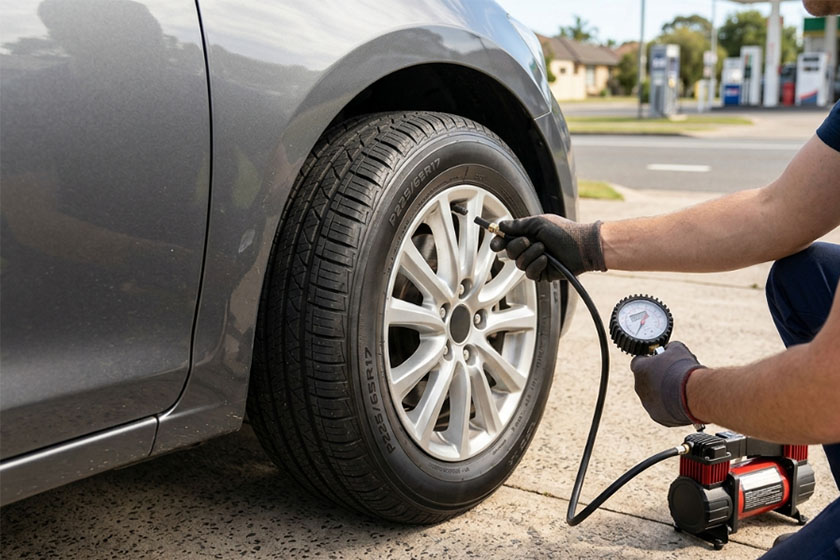
We often associate road safety with vehicle speed, distracted driving, and even traffic rules. However, one of the most important yet highly underrated safety features is tyre pressure. Tyres are the only part of the vehicle that actually touches the road. So, if they’re not in good condition, like underinflated, overinflated, worn out, or damaged, it will directly affect your driving. It can reduce your control over the vehicle, making steering and braking a tough challenge. But you can prevent this by simply getting the tyre pressure checked – it’s quick and often free. Most Sydney driving schools emphasise developing safe habits like tyre checks in learner drivers from the first driving lesson. Because safe driving starts with learning safe habits, and a quick tyre check can make a major difference to your safety on the road.
Why Correct Tyre Pressure Matters
When your tyres have proper pressure, your vehicle can perform its best. It can improve the vehicle’s braking, performance, fuel efficiency, and overall road stability, helping you handle the vehicle better. Underinflated tyres create more rolling resistance and heat, which can lead to faster wear and make the vehicle feel less stable, especially during cornering or sudden braking. And overinflated tyres reduce grip and lead to uneven tyre wear. In both cases, the driver has less control over the vehicle, particularly in wet or emergency conditions. Similarly, tyre pressure also affects stopping distance and safety. When speed is high, even small tyre issues can become dangerous. Learner drivers should pay more attention to their driving lessons or join programs like the Safer Drivers Course to understand how vehicle condition directly impacts road safety and control behind the wheel.
A Simple Habit That Makes a Big Difference
Learners should develop a habit of checking tyre pressure frequently. Spending just a few minutes each month checking your tyres can improve safety, reduce fuel costs, and help your tyres last longer. Also, check the correct pressure levels for your tyres before you inflate them. These pressure levels are distinct for each vehicle and should always be followed. Don’t forget to check the pressure in your spare tyres, too. Many drivers only realise their spare tyre is flat when they need it during an emergency.
Don’t Ignore Visual Warning Signs
While tyre pressure is important, the condition of your tyres matters just as much. With a quick visual inspection, you can easily identify problems before they become serious. Don’t know what to check? Look for cracks, bulges, bumps, or uneven wear across the tyre surface. Australian law also requires tyres to have a minimum tread depth of 1.5 mm. Worn tyres provide less grip, especially on wet roads, increasing the risk of skidding or losing control.
Final Thoughts
Proper tyre inflation may seem like a small detail, but it plays a major role in safety, handling, and vehicle control. Small habits like checking tyre pressure regularly can help prevent breakdowns, improve driving performance, and reduce the risk of accidents.
Whether you are learning through a Sydney driving school, like Onroad Driving School, or preparing for the driving test yourself, understanding tyre safety is an important part of becoming a more responsible driver. Because safe driving is not only about how you behave behind the wheel. It also depends on how well-maintained and roadworthy your vehicle is.