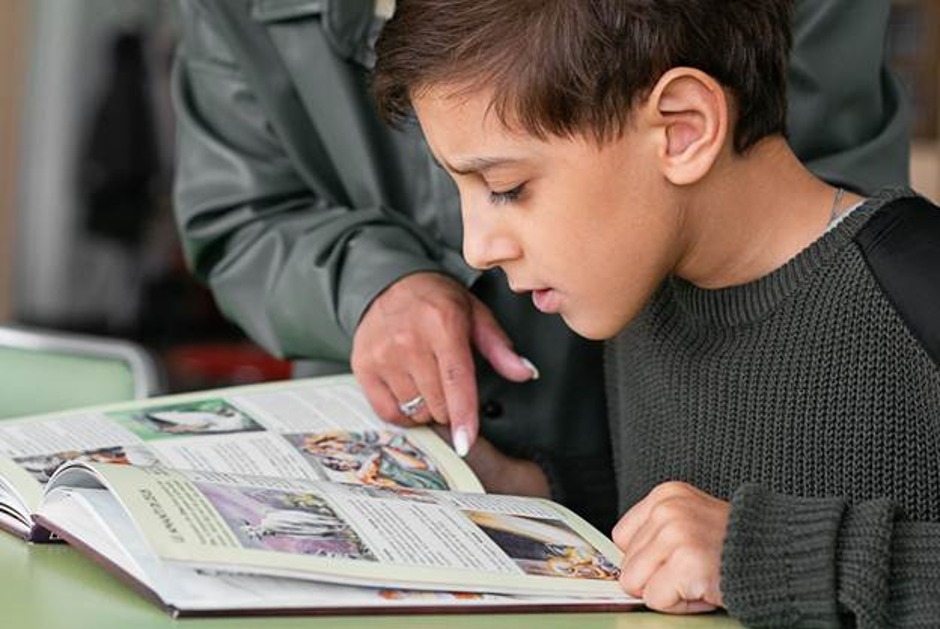
Most teachers have seen it happen. A student can explain a story out loud, join class discussions, and seem fully engaged, yet struggle when asked to read a short passage independently. It is one of those classroom moments that looks small at first, but it often points to a much bigger challenge.
Helping students read well is rarely about teaching a few reading strategies and moving on. Literacy touches nearly every subject, every grade level, and every stage of learning. The educators who become true literacy experts usually develop a deeper understanding of how reading, writing, language, and learning connect. That expertise is built over time, often through experience, study, and a willingness to keep adjusting when old methods stop working.
Understanding Literacy Beyond Reading
Many people still think literacy simply means reading books and recognizing words on a page. In practice, it is much broader than that. Literacy includes comprehension, vocabulary development, writing skills, critical thinking, and the ability to communicate ideas clearly.
Students today encounter information from textbooks, websites, social media, videos, and digital tools. Because of this, literacy instruction has become more complex than it was even a decade ago. Educators must help students evaluate information, recognize bias, and understand meaning across different formats. It is a bigger job than it sounds.
Building expertise in this area often requires focused study beyond initial teacher preparation. Many educators reach a point where classroom experience alone is not enough to answer every question they face. They begin looking for ways to deepen their understanding of reading development, assessment methods, and evidence-based instruction that can support a wider range of learners.
Educators explore pathways like Shenandoah University’s online Master’s in Literacy Education program, which is designed for working educators. Students can specialize in early literacy, reading, or writing while developing practical skills in literacy instruction, assessment, research, and inclusive learning environments through flexible eight-week online courses.
For teachers who regularly work with students facing reading challenges, structured graduate study can provide a more detailed framework for understanding why certain approaches work and why others sometimes fall short.
Learning How Students Actually Develop Reading Skills
Teachers who spend enough time around struggling readers usually notice something important: two students can have the same reading score and need completely different kinds of help. Reading looks effortless once it clicks, but getting there is messy. Children are juggling sounds, letters, vocabulary, sentence meaning, and larger ideas all at once.
When one piece falls behind, progress can stall in ways that are not always obvious. Literacy specialists learn to look beneath the surface and figure out what is really causing the difficulty.
Becoming Comfortable with Assessment
Assessment can feel like the dull side of teaching, and it often is. But for literacy specialists, it is where the useful clues usually sit. A test score by itself does not say much. The real work is looking at what sits behind it. Maybe a child understands the story but reads too slowly to keep pace. Maybe another student misses the meaning because key words are unfamiliar. Those are not the same problem, even if the result looks similar on paper.
Staying Current with Research
Literacy instruction changes over time. New studies emerge, educational priorities shift, and schools adapt to changing student needs. That means literacy experts cannot rely entirely on what they learned years ago. Professional growth becomes part of the job. Research on reading development, language acquisition, intervention programs, and classroom practices continues to evolve.
This does not mean every new trend should be adopted immediately. In fact, experienced educators often approach new ideas with a healthy amount of caution. The challenge is finding a balance between staying informed and avoiding every passing educational fad.
Building Leadership Skills
Literacy specialists rarely spend all their time working with students. In many schools, they also support teachers, contribute to curriculum planning, and help shape intervention efforts. That part of the role calls for strong communication, not just subject knowledge. Knowing what works is one thing. Helping others apply it in busy classrooms is another. The most effective literacy leaders tend to work alongside colleagues rather than directing them from a distance.
Keeping the Focus on Students
At the center of literacy education is a simple goal: helping students become confident readers, writers, and thinkers. That goal sounds straightforward, but the path is rarely neat. Some students progress quickly. Others need targeted support for years. Technology changes. Curricula change. Educational priorities shift.
What remains constant is the need for educators who understand literacy deeply enough to respond thoughtfully when challenges appear. Becoming a literacy expert is not about collecting credentials or mastering educational buzzwords. It is about developing the knowledge, judgment, and flexibility needed to help students navigate one of the most important skills they will ever learn.
That process takes time. Most experts would probably admit they are still learning. In education, that may be one of the clearest signs of expertise in the first place.