When a pipeline starts to fail, full replacement may seem like the obvious solution. However, replacement can be costly, disruptive, and time-consuming. Excavation, materials, labor, service interruptions, and site restoration can all increase the total cost of the project.
Pipe rehabilitation offers a practical alternative when the existing pipeline can still be restored. Instead of removing the entire asset, rehabilitation focuses on improving its performance, sealing issues, strengthening weak sections, and extending its useful life.
What Pipe Rehabilitation Does
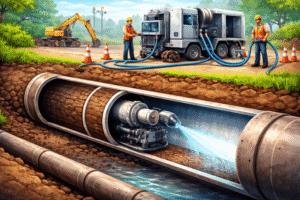
Pipe rehabilitation is the process of repairing or improving an existing pipeline without replacing the full system. The exact method depends on the pipe condition, location, material, and type of damage.
Organizations exploring Maya Global pipe rehabilitation can learn how rehabilitation solutions may help extend pipeline life and improve system reliability while reducing the need for unnecessary replacement.
When Rehabilitation May Be the Better Option
Rehabilitation may be considered when pipelines show signs of corrosion, cracking, leakage, reduced capacity, joint problems, or repeated maintenance issues. It may also be useful when excavation would cause major disruption to roads, facilities, or service users.
The first step is proper inspection. Before choosing rehabilitation or replacement, infrastructure managers need to understand the actual condition of the pipeline.
How Rehabilitation Helps Control Costs
Cost control is one of the biggest reasons organizations consider pipe rehabilitation. Full replacement can require large project budgets, especially when the pipeline is located under roads, buildings, landscaped areas, or active facilities.
Rehabilitation may reduce costs by limiting excavation, shortening project timelines, reducing service disruption, and preserving usable infrastructure. It also helps teams avoid replacing assets that may still have service life left.
Long-Term Infrastructure Benefits
Pipe rehabilitation is not only a repair method. It can be part of long-term asset management. When teams rehabilitate pipelines before failure becomes severe, they may reduce emergency repairs and improve system reliability.
This approach supports better planning for municipalities, utilities, developers, and facility managers who need to protect infrastructure while managing limited budgets.
Signs Replacement May Be Avoidable
Full replacement may not be required when a pipeline still has enough structural value to be rehabilitated. Signs that rehabilitation may be worth evaluating include localized damage, manageable leaks, internal deterioration, or reduced performance that can be corrected through a targeted method.
This does not mean rehabilitation is always the answer. Some pipes are too damaged or unstable to restore safely. The purpose of assessment is to avoid assumptions and choose the most practical option based on evidence.
How Rehabilitation Helps Asset Managers
Asset managers need to stretch budgets while keeping systems safe and reliable. Pipe rehabilitation supports this by helping extend the useful life of existing infrastructure when conditions allow. Instead of replacing assets too early, teams can prioritize work based on actual condition and risk.
This creates a more strategic approach to infrastructure spending. It also helps reduce emergency work, improve service continuity, and support long-term capital planning.
How to Measure the Value of Pipe Rehabilitation
The value of pipe rehabilitation can be measured in several ways. Teams may look at reduced repair frequency, improved flow, fewer leaks, lower disruption, extended asset life, and better budget control. These outcomes help show whether rehabilitation is supporting long-term infrastructure goals.
Success should also be measured by service continuity. A rehabilitation project that improves performance while limiting downtime can provide strong operational value for cities, utilities, and facilities.
Step-by-Step Planning Approach
A pipe rehabilitation plan should begin with a clear inspection of the existing pipeline. Teams should identify the type of damage, the pipe material, system function, access points, and the level of disruption that each repair method may cause.
After the condition is understood, managers can compare rehabilitation with replacement and choose the option that best supports cost, reliability, and long-term performance.
Frequently Asked Questions
What is pipe rehabilitation?
Pipe rehabilitation is a method of restoring an existing pipeline’s function, strength, or flow without fully replacing the pipe.
Can pipe rehabilitation prevent replacement?
In some cases, yes. If the pipe is suitable for rehabilitation, the process may extend its life and delay or reduce the need for full replacement.
Why is inspection important before rehabilitation?
Inspection helps determine whether the pipe can be restored, what damage exists, and which method is most appropriate.
Final Thoughts
Pipe rehabilitation can help organizations reduce replacement costs while improving infrastructure performance. With the right evaluation and rehabilitation strategy, aging pipelines may continue serving safely and efficiently for years. This makes rehabilitation a valuable option for teams that want practical, cost-conscious infrastructure care.