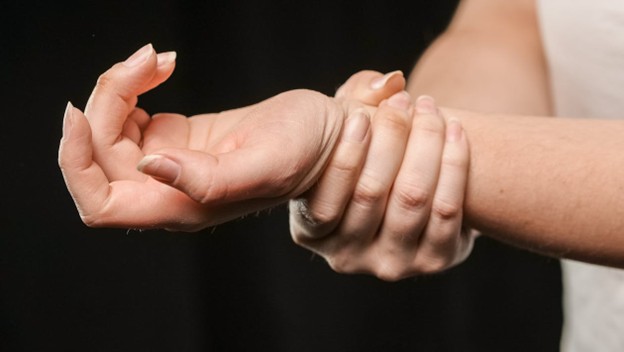
Nerve pain is different from other types of pain. It doesn’t always follow a clear pattern, and it doesn’t always show up the same way. Some days it feels like tingling or numbness. Other days, it’s sharper, almost burning, or a sudden jolt that catches you off guard. It can affect how you move, how you sleep, and even how you focus during the day.
Living with that kind of discomfort can be frustrating. You try to ignore it at first, then you start adjusting your routine without realizing it, walking less, resting more, avoiding certain activities. Over time, it adds up.
The good part is that nerve pain isn’t something you just have to accept. There are ways to manage it, and most of them don’t require drastic changes. It starts with understanding what’s going on and then building small habits that make daily life easier.
Understanding Nerve Pain and Finding the Right Approach
Nerve pain, often called neuropathy, happens when nerves are damaged or irritated. That damage can come from different sources, such as conditions like diabetes, physical injuries, poor circulation, or even long-term pressure on certain areas of the body. The result is a signal problem. Your nerves send messages that don’t match what’s actually happening, and your body responds with discomfort.
Because nerve pain can come from different causes, the way you manage it has to be flexible. What works for one person might not work the same way for someone else. That’s why learning about your options matters.
Many people start by looking for clear, practical guidance for how to relieve neuropathy online. It offers a broad overview of possible approaches, from lifestyle adjustments to supportive treatments that focus on improving circulation and nerve function. Reading through information like this helps you understand that relief isn’t about one quick solution. It’s about combining small changes that support your body over time.
Once you see that, the process becomes less overwhelming. You’re not searching for a single fix. You’re building a plan.
Simple Lifestyle Changes That Can Reduce Nerve Pain
Daily habits play a bigger role than most people expect. Small adjustments can make nerve pain more manageable, especially when they’re done consistently.
What you eat matters. A balanced diet supports nerve health, even if the effects aren’t immediate. Foods rich in vitamins and minerals help your body repair and maintain nerve function. You don’t need a strict plan, just steady improvements.
Hydration also helps more than people realize. When your body is properly hydrated, circulation improves, and that can reduce some of the pressure that contributes to nerve discomfort.
These changes don’t need to happen all at once. Start small, stay consistent, and let your routine adjust over time.
The Role of Movement and Physical Activity
It might seem counterintuitive, but staying still often makes nerve pain worse. When you don’t move enough, circulation slows down, and stiffness increases. That can add to the discomfort.
Gentle movement helps keep things flowing. You don’t need intense workouts. Walking, light stretching, or simple exercises can make a noticeable difference. The goal isn’t to push through pain but to keep your body active in a way that feels manageable.
Start with short sessions. Pay attention to how your body responds. Over time, you may find that movement becomes easier, not harder.
Consistency matters more than intensity here. Even a little movement each day can help reduce the buildup of tension and improve how your body feels overall.
Managing Pain Through Medical and Supportive Treatments
Lifestyle changes are important, but sometimes they’re not enough on their own. That’s where medical and supportive treatments come in.
Doctors may recommend medications to help control nerve pain. These don’t fix the underlying cause, but they can reduce how strongly the pain is felt. Physical therapy is another option. It focuses on improving movement, strength, and flexibility, which can ease pressure on affected nerves.
There are also topical treatments, creams, or patches applied directly to the skin that provide temporary relief. They don’t solve the problem, but they can make daily activities more comfortable.
The key is finding the right combination. It’s rarely just one method. Most people benefit from a mix of approaches that work together.
Patience is part of the process. Progress may feel slow, but small changes add up. Over time, those changes can lead to noticeable improvements in how you feel each day.
Nerve pain can be difficult to deal with, but it doesn’t have to control your life. Understanding what’s causing it and taking small, consistent steps can make a real difference.
You don’t need to solve everything at once. Start with simple changes, build from there, and adjust as needed. Over time, those efforts can improve your comfort and make daily life easier.
Relief isn’t always immediate, but it is possible.