Home repairs are an unavoidable reality of owning a home, but that doesn’t mean the costs have to spiral out of control. With thoughtful planning, consistent attention, and a few smart habits, homeowners can dramatically reduce the financial strain that repairs typically bring. Understanding where money tends to get wasted, and how to sidestep those traps, is the foundation of smarter, more confident home management.
Prioritize Preventive Maintenance Year-Round
Investing in regular preventive maintenance is arguably the most powerful strategy for keeping home repair costs in check. Small problems caught early rarely turn into expensive emergencies, and that distinction alone can save thousands of dollars over time. Most homeowners can handle basic inspection tasks themselves, such as cleaning gutters, checking caulking around windows and doors, looking for water stains on ceilings, and testing smoke detectors. Building a seasonal checklist that covers both interior and exterior tasks ensures that nothing slips through the cracks as the year progresses. Staying consistently attentive to your home’s condition dramatically lowers the odds of being blindsided by a major, unplanned repair bill.
Learn Basic DIY Skills to Handle Minor Repairs
Building a working knowledge of common home repair tasks can save a meaningful amount of money over the years, often more than most homeowners expect. Patching drywall, re-caulking bathroom tiles, swapping out a faulty light switch, or fixing a running toilet are all repairs that most people can learn with a reasonable investment of time. Reputable online tutorials, instructional video channels, and community workshops make it easier than ever for beginners to build real confidence and hands-on competence. That said, knowing when a job genuinely requires a licensed professional is just as important as knowing when it doesn’t, since misjudging that line can affect both safety and your wallet. Even a modest set of DIY skills, developed gradually over time, can translate into hundreds or even thousands of dollars in labor savings.
Get Multiple Quotes Before Hiring Contractors
When professional help is unavoidable, never accept the first estimate that lands in your inbox. Reaching out to at least three licensed contractors gives you a realistic sense of fair market pricing and creates natural leverage when negotiating. Be specific and consistent when describing the scope of work so that each quote covers the same tasks and materials, making side-by-side comparisons straightforward rather than frustrating. Before signing anything, check online reviews, verify licensing and insurance credentials, and ask for references from past clients. Taking the time to vet contractors properly protects your budget and significantly reduces the risk of substandard workmanship that creates a whole new round of costly fixes.
Address Roofing and Structural Issues Promptly
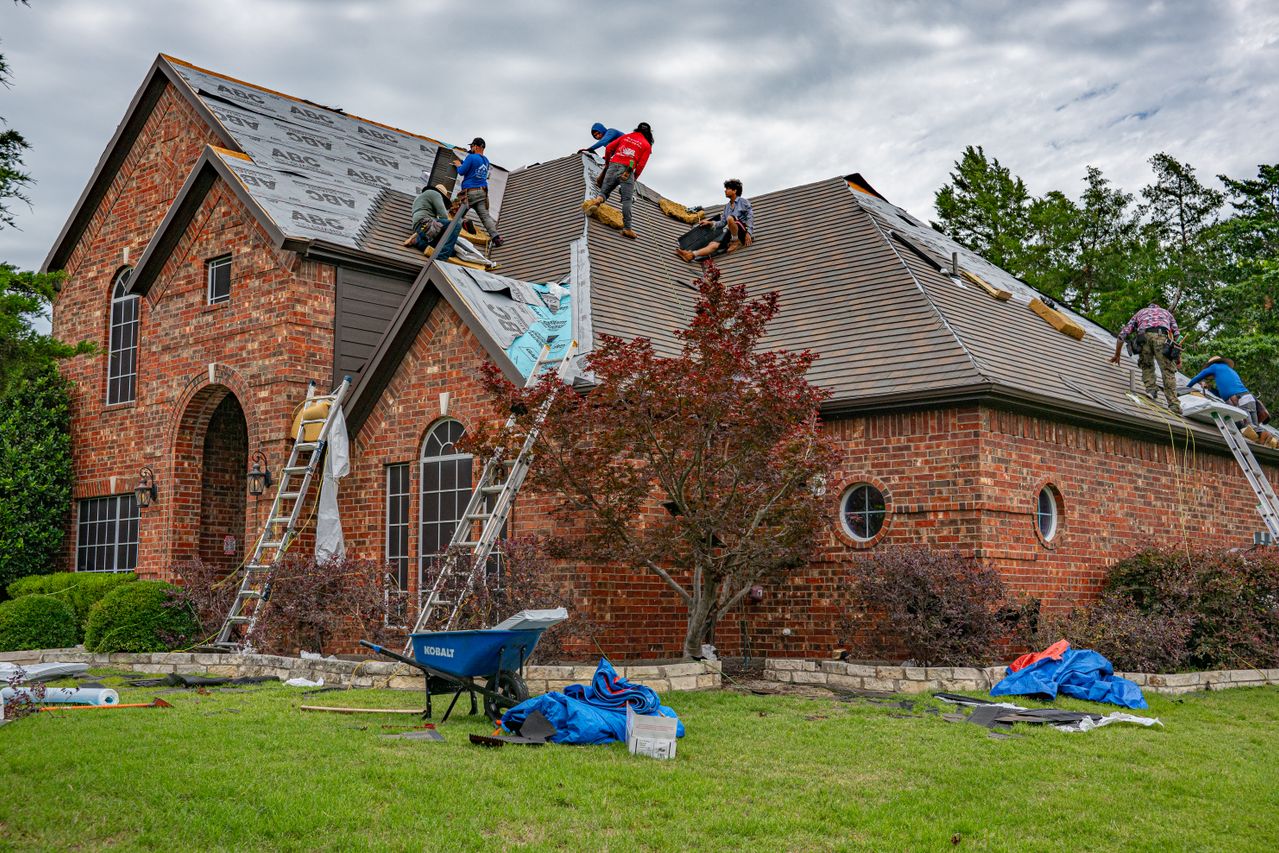
Putting off repairs to critical structural components like your roof, foundation, or framing is one of the costliest mistakes a homeowner can make. Water intrusion from a damaged roof, for instance, can trigger mold growth, rotted framing, compromised insulation, and destroyed drywall, multiplying the original repair bill several times over before anyone realizes how bad things have gotten. Inspecting your roof at least twice a year, especially after major storms, can reveal missing shingles, damaged flashing, or failing sealant while the fixes are still manageable. When damage is extensive and repeated patching is no longer a sensible option, roof replacement may ultimately prove to be the more cost-effective long-term solution compared to ongoing patchwork. Tackling structural concerns promptly protects not just your finances but also the long-term safety and market value of the property.
Use Quality Materials and Avoid Cutting Corners
Choosing higher-quality materials for home repairs can feel counterintuitive when you’re trying to cut costs, but it almost always pays off over time. Budget materials tend to wear out faster, require earlier replacement, and sometimes cause additional damage in the process of failing. Whether you’re repairing flooring, roofing, plumbing fixtures, or exterior siding, it’s worth researching the most durable options within your budget rather than automatically reaching for the cheapest item on the shelf. Many home improvement retailers carry contractor-grade materials at accessible price points that deliver significantly better longevity than entry-level alternatives. Spending a little more upfront on materials built to last reduces repair frequency and keeps long-term maintenance costs noticeably lower.
Build a Home Repair Fund for Financial Readiness
Financial preparedness plays a bigger role in managing home repair costs than many homeowners realize. Setting aside a dedicated repair fund, typically somewhere between one and three percent of your home’s value each year, means that when something unexpected breaks, you won’t be scrambling to put it on a high-interest credit card. Even modest monthly contributions to a separate savings account can build into a meaningful cushion faster than expected. Homeowners who rely on personal loans or revolving credit to handle emergency repairs often end up paying far more in total once interest charges are factored in. Having accessible, earmarked savings gives you both the flexibility to act quickly and the peace of mind that comes with being genuinely prepared.
Conclusion
Keeping home repair costs manageable comes down to a combination of proactive habits, well-informed decisions, and practical financial planning. Addressing problems early, developing useful skills, hiring contractors carefully, and building dedicated savings all work together to protect a property without putting unnecessary pressure on the household budget. A disciplined, attentive approach to home care remains the most dependable way to preserve both the value and comfort of your home while keeping expensive surprises to a minimum.