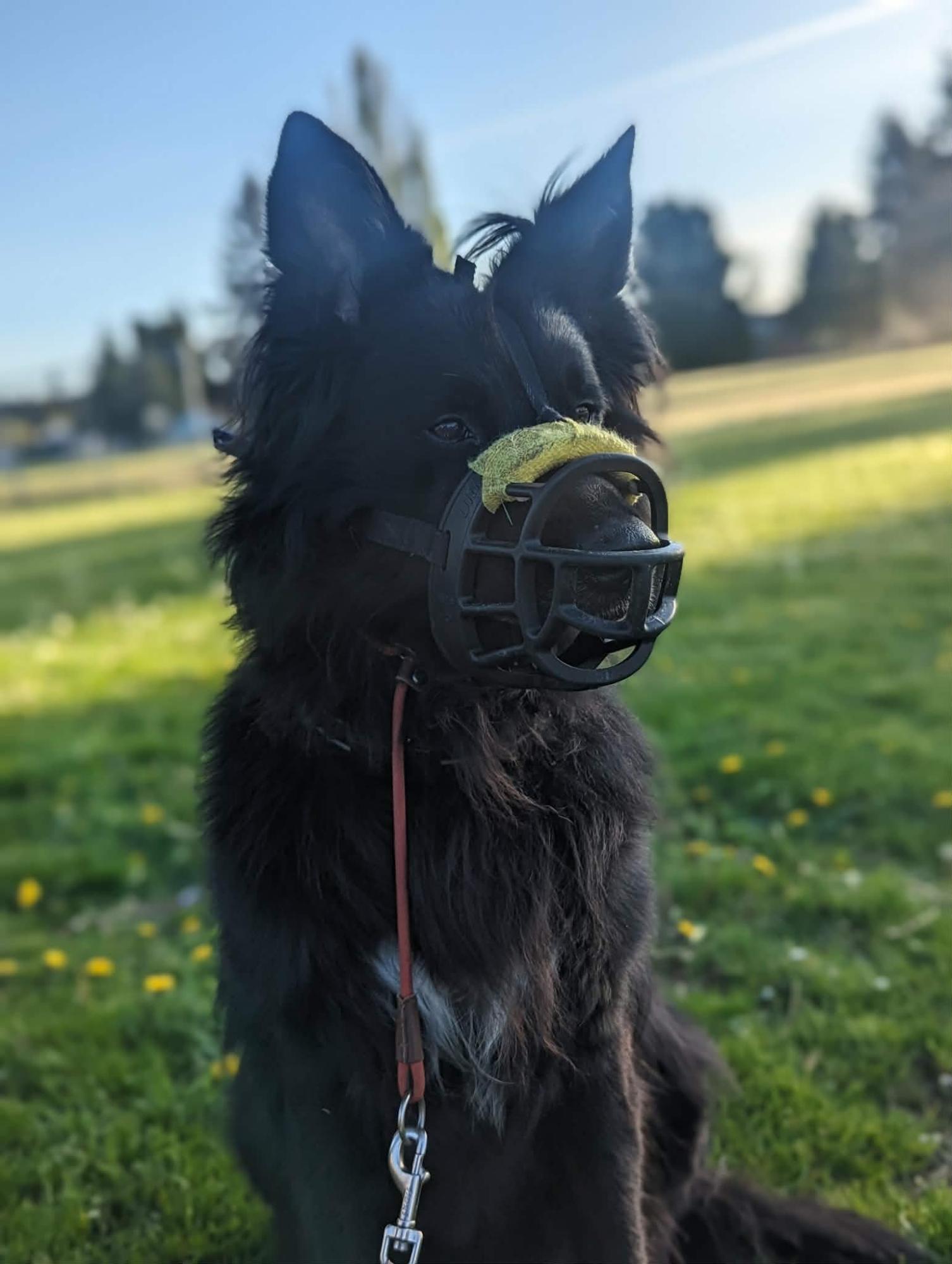
Planning a vacation can be exciting, but for owners of fear-aggressive dogs, it often brings a wave of anxiety. Leaving a beloved companion who struggles with fear-based aggression requires careful consideration. We understand the unique challenges this presents, from finding suitable care to ensuring your dog’s comfort and safety in your absence.
This extensive guide aims to provide practical options and steps for safely boarding a fear-aggressive dog. We’ll explore various boarding solutions, preparation strategies, and how a foundation in balanced dog training can be instrumental in managing these complex behaviors. Developing a strong foundation through balanced training, whether through dedicated board and train private lessons or consistent home practice, can significantly improve your dog’s ability to cope with new environments and caregivers.
Our goal is to help you navigate these decisions, ensuring a low-stress experience for everyone involved.
Understanding the Core Principles of Balanced Dog Training
Balanced dog training represents a comprehensive approach to canine education, drawing upon all four quadrants of operant conditioning to foster clear communication and reliable behavior. At its heart, balanced training recognizes the intricate nature of canine cognition, understanding that dogs learn through consequences—both desirable and undesirable. We aim to provide structured guidance that helps dogs understand expectations, offering clear feedback that reinforces good choices and corrects unwanted behaviors. This approach promotes deep handler engagement, building a stronger bond and a more harmonious relationship. The outcome is a dog that is not merely compliant but understands its role and boundaries within the human world.
Our philosophy emphasizes creating a learning environment where dogs are motivated to succeed, but also understand the parameters of acceptable behavior. This balance between motivation and boundaries is crucial, especially when working with dogs exhibiting fear aggression, as it provides them with a predictable structure that can reduce anxiety. By understanding how dogs process information and react to their environment, we can apply learning theory effectively, shaping behavior in a way that is fair, consistent, and ultimately, humane.
Operant Conditioning Quadrants in Balanced Dog Training
To truly understand balanced training, we must delve into the four quadrants of operant conditioning, which form the bedrock of how dogs learn. These aren’t just abstract concepts; they are practical tools we use with timing precision to communicate effectively with our canine companions.
- Positive Reinforcement (R+): This involves adding something desirable to increase the likelihood of a behavior recurring. Think of it as rewarding a dog with a treat or praise immediately after they sit on command. The dog learns that sitting leads to a pleasant outcome, making them more likely to sit again. Reward markers, such as a verbal “yes” or a clicker, are often used to precisely mark the exact moment of the desired behavior, enhancing the dog’s understanding.
- Negative Reinforcement (R-): This involves removing something undesirable to increase the likelihood of a behavior recurring. An example might be applying gentle leash pressure until a dog sits, and then immediately releasing the pressure as they comply. The dog learns that sitting makes the uncomfortable pressure disappear, thus increasing the likelihood of sitting in the future. The “negative” here refers to the removal of a stimulus, not necessarily something harsh or punitive.
- Positive Punishment (P+): This involves adding something undesirable to decrease the likelihood of a behavior recurring. For instance, a quick, firm leash correction might be used to interrupt a dog lunging at another dog. The “positive” refers to adding a stimulus, and the “punishment” aims to reduce an unwanted behavior. In balanced training, P+ is used judiciously, with minimal force, and always with the goal of clarity and safety, not pain or fear.
- Negative Punishment (P-): This involves removing something desirable to decrease the likelihood of a behavior recurring. If a dog jumps on you for attention, turning your back and walking away, removing the desired attention, is an example of P-. The dog learns that jumping makes the desired outcome (attention) disappear.
Balanced trainers utilize all four quadrants thoughtfully, understanding that different dogs and different behaviors may respond best to various combinations. The key is always to apply these principles with clear communication, excellent timing, and a deep understanding of the individual dog’s temperament and learning style. Our aim is to create a dog that makes good choices because it understands the consequences, not out of blind compliance or fear.
Clarity, Consistency, and Boundary Setting
At the core of effective balanced dog training lies the unwavering commitment to clarity, consistency, and boundary setting. These three pillars are particularly vital for fear-aggressive dogs, as they provide a predictable structure that can significantly reduce anxiety and foster a sense of security.
When we talk about clarity, we mean ensuring our communication with our dogs is unambiguous. This involves using consistent commands, clear body language, and precise timing in our feedback. A fearful dog, prone to misinterpreting signals, thrives on clear directives. Ambiguity can heighten their stress, potentially leading to an aggressive outburst as a self-preservation mechanism.
Consistency is equally paramount. If a rule applies one day, it must apply every day. If a behavior is unacceptable in one situation, it must be unacceptable in all similar situations. This means every family member must be on the same page, enforcing rules and expectations uniformly. Inconsistency creates confusion, eroding a dog’s trust in their handler and making them less likely to generalize learned behaviors. For a fear-aggressive dog, inconsistent boundaries can feel like the ground shifting beneath their paws, leading to increased anxiety and reactivity.
Boundary setting involves establishing clear limits on a dog’s behavior and access. This can manifest through various techniques:
- Spatial Pressure: Using our body language and movement to guide a dog, creating a personal space boundary that they learn to respect. This is a subtle yet powerful form of communication.
- Boundary Control: Teaching a dog to stay in designated areas (e.g., on a “place” cot, behind a gate) or to wait patiently before exiting doors or cars. This builds impulse control and teaches them to defer to our leadership.
- Leash Mechanics: Proper use of the leash is not just for physical restraint but for communication. Effective leash mechanics can guide, correct, and reinforce desired behaviors, offering clear feedback without harshness. It’s about teaching the dog to yield to pressure and walk politely, rather than constantly pulling or reacting.
- Impulse Control: Through exercises like “leave it,” “wait,” and “stay,” we teach dogs to manage their impulses, which is critical for fear-aggressive dogs who might otherwise react instinctively to triggers.
- Handler Leadership: By consistently providing clear expectations and boundaries, we establish ourselves as reliable leaders. This doesn’t mean being dominant or forceful, but rather being a calm, confident guide whom the dog trusts to make good decisions. This trust is invaluable for a fearful dog, as it allows them to relax and rely on their human for guidance in uncertain situations.
Balanced training creates a predictable structure where dogs understand what is expected of them. This predictability is a powerful stress reducer, transforming an anxious, reactive dog into one that feels more secure and confident in its environment, knowing that its handler is a consistent and reliable source of direction.
Key Benefits of Balanced Training for Behavioral Rehabilitation
For dogs struggling with fear aggression, balanced training offers a pathway to profound behavioral rehabilitation. Its comprehensive nature addresses not just the outward symptoms but also aims to foster a deeper sense of security and understanding in the dog. The structured approach inherently leads to significant stress reduction by providing clear expectations and predictable outcomes. This predictability is a cornerstone for dogs whose world often feels chaotic and threatening.
As dogs gain clarity through consistent training, we observe a marked improvement in their behavioral stability. They learn to regulate their emotional responses more effectively, moving away from impulsive, fear-driven reactions. This is particularly evident in reactivity management, where balanced techniques help dogs process triggers without escalating into aggressive displays. The focus on emotional regulation means teaching dogs to exist calmly in the presence of stimuli that once provoked extreme fear or aggression.
Here’s a comparison of how balanced training techniques often differ from single-quadrant methods:
Feature Balanced Training Techniques Single-Quadrant Methods (e.g., Pure Positive) Approach to Behavior Addresses both desired (reinforcement) and undesired (correction) behaviors comprehensively. Primarily focuses on reinforcing desired behaviors; often avoids direct correction. Communication Clarity Utilizes all four quadrants for precise, unambiguous feedback. Relies heavily on reinforcement to shape behavior; correction is often indirect (e.g., removing reward). Boundary Setting Establishes clear, consistent boundaries with both reinforcement and fair correction. May struggle to establish firm boundaries for high-drive or difficult behaviors without direct correction. Problem Solving Offers a broader toolkit for addressing complex behavioral issues like aggression. Can be effective for teaching new behaviors but may lack tools for immediate cessation of dangerous behaviors. Pace of Learning Can often achieve faster, more reliable results, especially for safety-critical behaviors. May require longer periods to extinguish unwanted behaviors through extinction alone. Focus Creates a well-rounded, reliable dog that understands consequences. Primarily focuses on creating a positive association with desired actions. Managing Reactivity and Aggression
Managing reactivity and aggression in dogs, particularly those stemming from fear, is a complex but achievable goal with balanced training. Our approach focuses on understanding the underlying fear and equipping the dog with the tools to cope in a more constructive way.
A key component is trigger desensitization, where we gradually expose the dog to their fear triggers (e.g., other dogs, strangers, loud noises) at a level below their reactive threshold. This is paired with counterconditioning, where we change the dog’s emotional response to the trigger from negative (fear, aggression) to positive (calmness, neutrality). For example, if a dog is fearful of other dogs, we might introduce another dog at a distance where our dog notices but doesn’t react, then reward them for remaining calm. Over time, this distance is slowly reduced.
Threshold management is critical throughout this process. We meticulously observe the dog’s body language to ensure we never push them over their emotional threshold, which would result in a reactive outburst. Staying below this threshold allows the dog to learn and build positive associations without being overwhelmed.
Balanced training also incorporates clear communication and structure to reduce overall stress. When a dog understands what is expected of them and trusts their handler to provide guidance, their fear reactivity often diminishes. They learn that they don’t need to resort to aggressive displays because their human is in control and will manage the situation.
Furthermore, balanced training plays a vital role in bite prevention. By teaching dogs appropriate responses to triggers and providing them with an outlet for their anxiety (e.g., focusing on their handler, performing a known command), we reduce the likelihood of them feeling the need to bite defensively. This also includes teaching owners defensive handling techniques—how to safely manage their dog in potentially triggering situations to prevent incidents, such as using a muzzle when necessary or maintaining appropriate distance. The goal is not to suppress aggression, but to replace fear-driven reactions with calm, controlled responses, fostering a more confident and less reactive dog.
Tailoring Programs: Board and Train vs. Private Lessons in Balanced Dog Training
When addressing the specific needs of a fear-aggressive dog, balanced training offers flexible program structures designed to maximize learning and rehabilitation. Two primary approaches stand out: board and train programs and private lessons. Each offers distinct advantages, and the best choice often depends on the dog’s temperament, the owner’s lifestyle, and the severity of the behavioral challenges. For those exploring these options, resources like board and train private lessons can provide valuable insights into tailored training solutions.
Board and Train Programs: In a board and train setting, your dog lives with a professional trainer for an extended period, typically several weeks. This offers a highly structured immersion experience, where the dog is consistently exposed to training protocols in a controlled environment. The benefits are numerous:
- Intensive Learning: Dogs receive multiple training sessions daily, allowing for rapid progress in foundational obedience and behavior modification.
- Environment Control: Trainers can meticulously manage the dog’s environment, introducing triggers in a controlled, systematic way crucial for desensitization and counterconditioning without overwhelming the dog.
- Consistency: The dog experiences unwavering consistency from the trainer, which is paramount for a fear-aggressive dog to build trust and understand expectations.
- Break from Home Dynamics: Sometimes, the home environment itself contributes to a dog’s anxiety or reinforces unwanted behaviors. A board and train offers a fresh start.
This approach is often ideal for dogs with more severe aggression or reactivity, or for owners who need a significant jumpstart in their dog’s training. It provides a period of intense learning and rehabilitation, setting a strong foundation for future success.
Private Lessons: Private lessons involve the owner and dog working directly with a trainer, typically in their home environment or at a training facility. This format emphasizes owner coaching and lifestyle integration:
- Direct Owner Involvement: Owners learn the techniques and principles alongside their dog, ensuring they understand how to maintain and build upon the training.
- Customized Schedules: Lessons can be scheduled to fit the owner’s availability, offering flexibility.
- Real-World Application: Training occurs in the dog’s natural environment, making skill transfer to everyday life more seamless.
- Addressing Specific Home Triggers: The trainer can observe and address specific triggers and dynamics within the home that contribute to the dog’s fear aggression.
Private lessons are excellent for owners who want to be deeply involved in every step of their dog’s training journey and for dogs whose aggression might be milder or highly situational. They empower owners with the knowledge and skills to become their dog’s most effective trainer.
Both board and train and private lessons aim for customized schedules and ultimately focus on skill transfer back to the owner. A successful board and train program will always include comprehensive owner instruction upon the dog’s return, ensuring that the progress made during structured immersion can be maintained and integrated into the dog’s daily life. The goal is always to equip both dog and owner for long-term success and a harmonious relationship.
Implementing Long-Term Reliability and Real-World Safety
Achieving long-term reliability and ensuring real-world safety are the ultimate objectives of balanced dog training, especially for dogs that have exhibited fear aggression. It’s not enough for a dog to behave perfectly in a controlled training environment; they must be able to maintain their composure and follow commands amidst the unpredictable nature of everyday life. Our training focuses on preparing dogs to navigate various environmental distractions with confidence and calm.
This means building a foundation where reliable recall is not just a command but an ingrained response, ensuring your dog’s safety in off-leash situations. It also involves establishing robust safety protocols that protect both your dog and the public. We understand that a fear-aggressive dog requires a heightened level of predictability and control, and balanced training provides the tools to achieve this, fostering a sense of public safety wherever you go.
The journey from a reactive dog to a reliable companion involves carefully structured steps, designed to gradually expose the dog to increasing levels of real-world complexity while reinforcing appropriate responses.
Off-Leash Reliability and Distraction Proofing
The pinnacle of obedience for many dog owners is achieving off-leash reliability, particularly for a dog with a history of fear aggression. This level of control is not merely a convenience; it’s a critical safety measure that provides both the dog and owner with freedom and peace of mind. Balanced training employs systematic proofing stages to ensure commands hold up under any circumstance.
We begin by establishing strong foundational obedience in a distraction-free environment. Once commands like “sit,” “stay,” and “come” are solid, we gradually introduce distractions, starting small and increasing complexity. This could involve training in different locations, with varying levels of noise, or in the presence of other dogs or people. The goal is to teach the dog to generalize their obedience and respond reliably regardless of what’s happening around them.
For dogs with fear aggression, managing high arousal is paramount. Triggers often lead to a state of heightened excitement or fear, which can override learned behaviors. Balanced training teaches dogs to regulate their arousal levels, helping them to remain calm and focused even when stimulated. This is achieved through consistent reinforcement of calm behavior and carefully timed corrections for over-arousal.
Addressing prey drive is another crucial aspect. In addition to fear aggression, an uncontrolled prey drive can lead to dangerous situations, especially in off-leash environments. Training incorporates exercises that teach dogs to disengage from prey objects on command, prioritizing their handler’s instructions.
Distance commands are essential for off-leash control, allowing owners to direct their dog from afar. This includes commands like “stay,” “come,” and “down” executed at increasing distances. Crucially, we also train for emergency stops, teaching a dog to immediately drop or stop in place, regardless of what they are doing. This is an invaluable safety command that can prevent a dog from running into a road or engaging with an unexpected trigger.
Through these meticulous proofing stages and the consistent application of balanced training principles, we build truly proofed obedience. This means the dog’s responses are ingrained and reliable, allowing them to navigate the world safely and confidently, even when off-leash and faced with distractions that might once have caused a fear-aggressive reaction. It transforms a potentially dangerous situation into an opportunity for controlled, harmonious interaction.
Building Canine Confidence and Mental Clarity
One of the most profound benefits of balanced dog training, particularly for fear-aggressive dogs, is its ability to build genuine canine confidence and foster mental clarity. Fear aggression often stems from insecurity and a lack of understanding about how to navigate the world. By providing clear expectations and consistent feedback, balanced training creates a predictable environment where dogs can thrive.
When dogs understand what is expected of them, they experience less anxiety. They learn that certain actions lead to positive outcomes, and others lead to gentle redirection. This clarity reduces the mental guesswork that often plagues fearful dogs, leading to a calmer and more settled state-of-mind training. We focus on teaching dogs to be thoughtful in their responses rather than reacting impulsively out of fear.
This structured learning directly contributes to anxiety reduction. As a dog’s confidence grows in their ability to understand and respond to commands, their overall stress levels decrease. They learn to trust their handler to guide them through challenging situations, rather than feeling the need to take matters into their own paws. This newfound confidence allows them to engage more positively with their environment and other beings.
We also incorporate engagement games into training. These are not just for fun; they are powerful tools for building a dog’s focus, motivation, and bond with their handler. Games like fetch, hide-and-seek with toys, or structured tug-of-war, when played with rules and boundaries, reinforce the dog’s desire to work with their handler, even amidst distractions. This positive engagement further enhances their confidence and mental clarity, making them more resilient and less prone to fear-driven reactions.
A dog with confidence and mental clarity is better equipped to handle novel situations, unexpected stimuli, and the general ebb and flow of daily life. They are less likely to perceive benign encounters as threats, and more likely to defer to their handler’s guidance, ultimately leading to a happier, more integrated life.
Frequently Asked Questions About Balanced Dog Training
We often encounter common misconceptions about balanced dog training, particularly concerning its application and humane aspects. It’s important to address these directly to highlight the efficacy and safety of our approach. Our goal is always to ensure training safety and the ethical, humane application of all techniques, prioritizing the well-being and understanding of the dog.
What tools are commonly used in a balanced training program?
Balanced training utilizes a range of tools, each chosen for its ability to provide clear communication and effective guidance, depending on the individual dog and the specific training goal. Tools are never a substitute for proper technique or understanding canine behavior; they are aids to communication.
- Training Collars: This category can include various types.
- Flat Buckle Collars/Martingale Collars: Used for basic leash walking and identification.
- Slip Leads: A versatile tool for quick, humane corrections and control, often used for leash training and in agility.
- Prong Collars: When fitted and used correctly, prong collars distribute pressure evenly around the dog’s neck, mimicking a mother dog’s correction. They are often highly effective for teaching leash manners and providing clear communication without excessive force.
- E-Collars (Electronic Collars): These modern tools deliver a mild, consistent stimulation (often described as a tap or vibration) that can be adjusted to the dog’s sensitivity. They are primarily used for off-leash reliability, long-distance communication, and breaking deeply ingrained unwanted behaviors, always introduced gradually and humanely.
- Head Halters: Provide control over the dog’s head, which in turn controls the body, useful for strong pullers or dogs needing more guidance.
- Food Rewards: High-value treats are indispensable for positive reinforcement, motivating dogs and marking desired behaviors.
- Long Lines: Extended leashes (15-50 feet) used for practicing recall and distance commands in a safe, controlled manner before moving to off-leash work.
- Place Cots/Beds: Designated spots where a dog learns to go and stay, building impulse control and providing a “safe zone” for relaxation.
- Toys: Used for engagement, motivation, and as rewards, especially for dogs with high play drive.
The choice of tool is always made with the dog’s temperament, learning style, and specific behavioral challenges in mind. We prioritize humane application and ensure owners are thoroughly educated on the correct and responsible use of each tool.
How does balanced dog training address fear and reactivity?
Balanced dog training addresses fear and reactivity by tackling the root causes of these behaviors, rather than merely suppressing symptoms. We understand that fear-aggressive displays are often a dog’s attempt to create distance from a perceived threat because they lack the coping mechanisms or confidence to do otherwise.
Our approach centers on providing clear structure and predictable boundaries. This predictability significantly reduces a fearful dog’s anxiety, as they learn what to expect and what is expected of them. When a dog feels secure in its environment and trusts its handler to provide guidance, its need to react defensively diminishes.
Key strategies include:
- Emotional Counterconditioning: We systematically change the dog’s emotional response to triggers from negative (fear, anxiety) to neutral or positive. This involves controlled, gradual exposure to triggers paired with positive experiences.
- Confidence Building: Through successful training experiences, the dog develops a sense of competence and self-assurance. Learning new commands, mastering challenges, and receiving consistent, positive feedback all contribute to a stronger, more confident canine.
- Stress Mitigation: We teach dogs coping mechanisms, such as disengaging from triggers, focusing on their handler, or going to their “place.” We also address overall lifestyle factors that contribute to stress, ensuring adequate exercise, mental stimulation, and rest.
- Clear Communication and Consequences: By using all quadrants of operant conditioning, we provide unambiguous feedback. The dog learns that calm, appropriate responses are rewarded, while reactive behaviors are gently but clearly interrupted or corrected, giving them an alternative, more desirable choice.
Balanced training empowers the dog to make better choices by reducing their underlying fear and providing them with the confidence and tools to navigate challenging situations without resorting to aggression.
Is balanced training suitable for puppies and rescue dogs?
Absolutely, balanced training is highly suitable for both puppies and rescue dogs, though the approach will be tailored to their unique circumstances and developmental stages.
For puppies, balanced training provides an excellent foundation during their critical early socialization period. We focus on:
- Early Socialization: Safely exposing puppies to a variety of sights, sounds, people, and other dogs in a controlled, positive manner to prevent future fear-based issues.
- Clear Communication: Establishing clear rules and expectations from the outset, teaching puppies basic manners and obedience using positive reinforcement for desired behaviors and gentle corrections for unwanted ones.
- Impulse Control: Starting early with exercises that teach puppies self-control, crucial for preventing common adolescent behavioral challenges.
This proactive approach helps shape a well-adjusted, confident adult dog.
For rescue dogs, balanced training is often transformative for their rescue rehabilitation. Many rescue dogs come with unknown histories, past traumas, or existing behavioral issues like fear, anxiety, or reactivity. Balanced training offers:
- Temperament Evaluation: A thorough assessment of the dog’s individual temperament, past experiences (if known), and current behavioral challenges is the first step.
- Individualized Plans: Training plans are highly customized to address specific fears, triggers, and learned behaviors. This might involve extensive desensitization and counterconditioning for fear-based issues, or building confidence for shy dogs.
- Structure and Predictability: Many rescue dogs benefit immensely from the clear structure and predictable environment that balanced training provides. This consistency helps them feel safe and understand their new world, reducing anxiety and allowing them to settle into their new homes more easily.
- Building Trust: The consistent, fair feedback inherent in balanced training helps build a strong bond of trust between the rescue dog and their new owner, which is vital for their long-term success.
In both cases, balanced training adapts to the dog’s needs, using humane and effective methods to foster confidence, clear communication, and a harmonious relationship.
Conclusion
Navigating life with a fear-aggressive dog, especially when considering boarding options, can be a daunting journey. However, with the right approach and a solid foundation in balanced dog training, we can transform these challenges into opportunities for growth and deeper understanding.
Balanced training, with its emphasis on clear communication, consistent boundaries, and a comprehensive understanding of canine learning, offers a powerful framework for behavioral rehabilitation. It provides dogs with the structured guidance and predictable structure they need to reduce anxiety, manage reactivity, and build genuine confidence. From the precise application of operant conditioning quadrants to the development of off-leash reliability and mental clarity, every aspect of balanced training contributes to a dog’s ability to cope effectively with their environment.
Our goal is to achieve harmonious companionship—a relationship built on mutual trust and understanding, where your dog feels secure and capable, and you feel confident in their behavior. The long-term results of balanced training are evident in a dog that exhibits reliable behavior in diverse situations, ensuring lifelong stability for both pet and owner. By becoming a proactive handler advocate for your dog’s well-being and education, you empower them to live a fuller, happier life, even when facing the prospect of a temporary separation for boarding.