Introduction to Wearable Fitness Technology
Wearable technology has changed how people monitor their daily activity, sleep, and general wellness. From compact rings to advanced wrist devices, consumers now have several options for tracking personal fitness information. However, choosing the right device can be challenging because each product offers different features, costs, and levels of convenience.
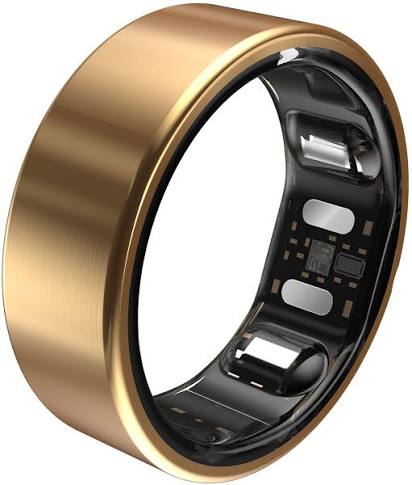
A smart ring without subscription is an appealing option for people who want wellness insights without recurring membership fees. These compact devices can track selected measurements, such as sleep patterns, heart rate, and daily movement, depending on the model.
At the same time, comparing fitness trackers vs smartwatches helps buyers understand which wearable best matches their lifestyle. Fitness trackers generally focus on activity monitoring, while smartwatches combine fitness tools with notifications, applications, and other interactive features.
Understanding these differences can help you select a wearable that fits your budget, supports your goals, and provides useful information without unnecessary complications.
What Is a Smart Ring Without Subscription?
A smart ring without subscription is a wearable device that provides certain tracking features without requiring a recurring membership payment. It contains miniature sensors that collect selected activity and wellness measurements throughout the day or night.
Most smart rings connect to a smartphone through Bluetooth. Their companion applications organize collected information into charts, summaries, and reports.
Depending on the model, features may include sleep-duration estimates, heart rate monitoring, activity tracking, and temperature trends. Some devices also provide recovery-related insights based on multiple measurements.
The biggest attraction is the potential to avoid ongoing software costs. Users may purchase the ring once and continue accessing its core features without monthly payments.
However, not every smart ring includes all features permanently. Some manufacturers charge for advanced analytics or personalized reports. Before buying, check whether essential measurements, historical records, and app access are available without a subscription.
What Are Fitness Trackers?
Fitness trackers are wearable devices designed primarily to monitor physical activity and selected wellness indicators. Most models are worn on the wrist, although clip-on and other designs are also available.
A typical fitness tracker may count steps, estimate calories burned, monitor heart rate, and record exercise sessions. Many models also offer sleep tracking and reminders to move after long periods of inactivity.
Their main advantage is simplicity. Fitness trackers often provide straightforward information that helps users understand their daily activity without requiring an extensive set of applications.
Some include small displays that show step counts, workout duration, and notifications. Others focus on collecting information that users review later through a smartphone app.
Fitness trackers are often suitable for beginners, walkers, and people who want to establish consistent exercise habits. They can also appeal to experienced athletes who prefer a lightweight device focused on basic measurements.
What Are Smartwatches?
Smartwatches are wrist-worn electronic devices that combine fitness tracking with smartphone-style features. In addition to recording selected health and activity measurements, many models provide notifications, applications, music controls, and communication tools.
Depending on the model, a smartwatch may include built-in GPS, workout modes, contactless payments, and access to calls or messages. These functions make it useful for people who want more than a traditional fitness tracker.
Smartwatches also offer displays that allow users to review information immediately. During a workout, someone might check their pace, distance, heart rate, or elapsed time without opening a smartphone.
However, additional features can increase the price and complexity of the device. Smartwatches may also require more frequent charging, particularly when users enable GPS, continuous monitoring, or an always-on display.
For consumers who value versatility, a smartwatch can be a practical all-in-one wearable.
Fitness Trackers vs Smartwatches: Key Differences
Although fitness trackers and smartwatches share several functions, their main purposes differ.
| Feature | Fitness Tracker | Smartwatch |
| Main purpose | Activity and wellness monitoring | Fitness plus smart features |
| Display | Basic screen or none | Usually a more advanced screen |
| Notifications | Limited on many models | Often extensive |
| GPS | Available on selected models | Available on many models |
| Battery life | Often longer | Varies; some require frequent charging |
| Applications | Usually limited | Often supports additional apps |
| Typical complexity | Simple and focused | More versatile |
| Best suited for | Everyday activity tracking | Fitness and broader digital tasks |
Actual capabilities depend on the device, so specifications should always be checked before purchase.
Smart Ring vs Fitness Tracker
A smart ring and a fitness tracker can both help users understand their daily activity, but their designs offer different advantages.
A smart ring is compact and discreet. Many models focus on automatic monitoring, sleep insights, and general wellness trends. Because it does not usually have a large screen, it can be convenient for people who prefer fewer distractions.
A fitness tracker typically provides a more direct way to view steps, activity goals, and workout information. Wrist-based devices may also offer dedicated exercise modes and easier access to controls during physical activity.
Comfort is another important consideration. Some people prefer wearing a ring, while others find wristbands more comfortable. Rings may also be unsuitable during certain activities, including heavy weightlifting or contact sports, where finger injuries are a concern.
Choose a smart ring if discreet monitoring is your priority. Consider a fitness tracker if you want straightforward activity information and accessible workout controls.
Smart Ring vs Smartwatch: Which Is Better?
The choice between a smart ring and a smartwatch depends on the features you value most.
A smartwatch is generally better suited to users who want an interactive screen, GPS navigation, exercise controls, notifications, and access to applications. It can be especially useful for runners, cyclists, and people who want to review workout statistics while exercising.
A smart ring is more suitable for people who prefer a compact design and automatic wellness tracking. It may be particularly appealing to users who want to review sleep and activity trends without wearing a screen throughout the day.
Price is another consideration. Some smart rings require a higher initial investment and may charge subscriptions for advanced insights. Smartwatches also vary widely in price, and some offer extensive features without a separate membership.
Neither device is universally superior. The best choice depends on comfort, budget, tracking needs, and preferred features.
Benefits of Choosing a Smart Ring Without Subscription
A subscription-free smart ring can offer several advantages for people who want to monitor their wellness without recurring payments.
First, predictable costs make budgeting easier. Once the device is purchased, users may be able to access essential tracking features without paying monthly membership fees.
Second, its compact design can make it less noticeable than a wrist-worn wearable. Many people appreciate a device that fits naturally into everyday clothing and accessories.
Third, automatic data collection can reduce the need for manual tracking. Users can review sleep and activity summaries when convenient instead of constantly checking a display.
Finally, a smart ring can support long-term habit awareness. Reviewing activity and sleep patterns may encourage more consistent routines.
Before purchasing, verify that the ring’s core features are genuinely subscription-free. Check whether advanced reports, data history, and future software features require additional payments.
How to Choose the Right Wearable for Your Lifestyle
Selecting the right wearable begins with understanding your personal goals.
If you mainly want to count steps and monitor basic workouts, a fitness tracker may provide everything you need. If you want notifications, GPS, applications, and detailed workout controls, a smartwatch may be more appropriate.
A smart ring may be the better option if you prioritize discreet wear and wellness insights, especially during sleep.
Consider these factors before buying:
- Budget: Compare the purchase price and any recurring fees.
- Battery life: Find out how frequently the device needs to be charged.
- Comfort: Make sure the design suits your everyday activities.
- Compatibility: Confirm that the companion app works with your smartphone.
- Tracking features: Choose measurements that support your actual goals.
- Privacy: Review how personal data is collected, stored, and shared.
- Durability: Check water resistance, warranty coverage, and care instructions.
Avoid paying for features that you are unlikely to use. A simpler device can provide better value when it matches your routine.
Can These Wearables Replace Medical Devices?
Smart rings, fitness trackers, and smartwatches can provide useful information about selected wellness measurements. However, consumer wearables are not automatically equivalent to medical equipment.
Heart rate, sleep-stage, calorie, and recovery measurements may be estimates. Accuracy varies by device, sensor quality, fit, movement, and individual circumstances.
These products are generally best used to observe broad patterns rather than diagnose medical conditions. A change in a wearable’s reading does not necessarily indicate a health problem.
If you experience persistent symptoms or have concerns about a measurement, consult a qualified healthcare professional. Use clinical testing when recommended rather than relying entirely on consumer technology.
Frequently Asked Questions
1. Which smart ring is the best without a subscription?
The best option depends on your budget, desired features, smartphone compatibility, and comfort preferences. Confirm which features remain available without recurring payments.
2. Are fitness trackers better than smartwatches?
Fitness trackers may be better for simple activity monitoring, while smartwatches offer broader digital features. Your priorities determine which is more suitable.
3. Can a smart ring track workouts?
Some smart rings record activity and exercise-related measurements, but their workout features vary. Check the manufacturer’s specifications before purchasing.
4. Which wearable has the best battery life?
The model, settings, and usage all affect battery life. Basic fitness trackers often last longer than feature-rich smartwatches, but individual products vary.
5. Do smart rings work without a smartphone?
Most smart rings rely on a compatible application for setup and detailed reports. Offline functions and data synchronization depend on the specific model.
6. Can I wear a fitness tracker and smart ring together?
Yes, but the devices may duplicate some measurements. Consider whether using both provides enough additional value to justify the cost.
Conclusion
Choosing between a smart ring without subscription, a fitness tracker, and a smartwatch depends on your lifestyle and priorities. Each option offers a different balance of comfort, features, convenience, and cost.
A subscription-free smart ring may suit people who prefer discreet wellness monitoring and want to avoid recurring fees. A fitness tracker is a practical choice for straightforward activity tracking, while a smartwatch provides more interactive features and digital convenience.
Before buying, compare battery life, compatibility, tracking capabilities, privacy policies, and long-term expenses. The wearable with the most features is not always the best. It is the one that fits comfortably into your routine and helps you work toward your personal wellness goals.