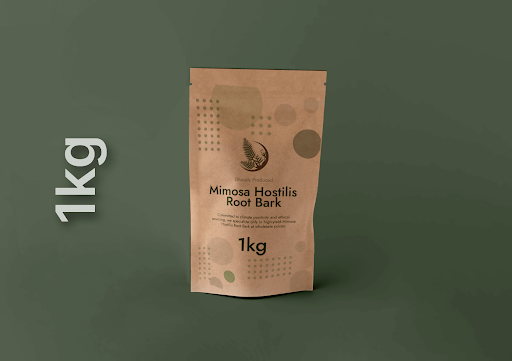
Mimosa hostilis, commonly associated with the botanical name Mimosa tenuiflora, is a resilient woody plant native to regions of Central and South America. It is particularly well known for its ability to grow in dry and challenging environments. The species has attracted attention in botanical, ecological, and ethnobotanical discussions because of its distinctive structure and long history of traditional applications.
The root bark is one of the plant’s most recognizable parts. When dried and mechanically processed, it produces a fibrous botanical powder with a characteristic earthy appearance. Exploring the plant’s classification, habitat, physical structure, and natural characteristics provides useful background for understanding this material.
The Botanical Identity of Mimosa Tenuiflora
Mimosa tenuiflora belongs to the Fabaceae family, one of the largest plant families in the world. The family includes trees, shrubs, herbs, and numerous economically important plants.
The species has historically been referred to as Mimosa hostilis, which explains why both names continue to appear in botanical literature and general discussions. The name Mimosa tenuiflora is widely recognized in modern taxonomic references.
This distinction is useful when researching botanical materials because common names and older scientific names can sometimes create confusion between related species.
Where This Resilient Tree Grows
The plant is strongly associated with northeastern Brazil, especially the Caatinga region. This ecosystem experiences periods of intense heat, seasonal rainfall, and relatively dry conditions.
Mimosa tenuiflora has also been documented in Mexico and other parts of Latin America. Its distribution reflects its ability to tolerate environmental conditions that can be difficult for many other plant species.
The surrounding environment can influence the physical characteristics of individual plants. Soil composition, rainfall, temperature, age, and local growing conditions may all contribute to differences between specimens.
Recognizing the Plant in Its Natural Form
Mimosa tenuiflora is generally a thorny shrub or small tree with a woody structure. Its branches can develop protective thorns, while its leaves are divided into numerous small leaflets.
The plant produces small flowers that can appear in clustered formations. Its bark develops a darker, rough exterior as the plant matures.
The combination of thorny branches, finely divided foliage, woody stems, and characteristic bark makes the species relatively distinctive within its natural environment.
What Makes the Root Bark Distinctive
Root bark serves several biological functions within the plant. It forms protective tissue around the root and contributes to the structural integrity of underground plant parts.
When harvested and dried, the bark typically develops a brown, reddish-brown, or darker coloration. Its texture may remain fibrous because of the structural materials found within woody plant tissues.
Factors such as plant maturity, growing conditions, drying practices, and storage can affect the appearance of dried root bark. Consequently, visual characteristics can vary between different botanical samples.
From Dried Bark to Fine Botanical Powder
Dried root bark can undergo mechanical processing that reduces it into smaller particles. The resulting material is commonly described as root bark powder.
The particle size may depend on the equipment and processing method used. Fine powders generally have a more uniform appearance, while less finely processed material may contain visible fibrous particles.
Those researching mimosa hostilis root bark powder 1kg may encounter descriptions based on color, texture, or particle size. These characteristics can provide general information about the material but should not be considered a substitute for botanical identification or laboratory testing.
Naturally Occurring Components in the Bark
Like other woody plant materials, Mimosa root bark contains a complex mixture of naturally occurring substances. Structural components can include cellulose, hemicellulose, and lignin.
Plant bark may also contain tannins, pigments, minerals, and various secondary metabolites. The concentration of these constituents is not necessarily consistent across every plant.
Differences can result from genetics, geographical location, soil conditions, climate, plant age, harvesting practices, and post-harvest handling.
For this reason, broad statements about the chemical composition of a species should not be treated as an analysis of a particular batch or sample.
The Role of Roots in Plant Survival
Roots are essential to the survival of woody plants. They anchor vegetation in the soil while supporting the uptake of water and minerals.
For plants growing in dry environments, an effective root system can be particularly important. Mimosa tenuiflora’s ability to persist in semi-arid landscapes demonstrates its strong environmental adaptability.
The underground structure also interacts with surrounding soil and vegetation. These relationships contribute to the plant’s ecological role within its native habitat.
Why Researchers Study This Species
Mimosa tenuiflora has received attention from botanists and ethnobotanical researchers for several reasons. Its ability to tolerate difficult environmental conditions makes it relevant to ecological studies.
The species also has a history of interaction with communities in Latin America. Traditional knowledge surrounding plants can provide valuable insight into their historical significance and cultural context.
Scientific research, however, needs to be considered separately from traditional practices. Historical use does not by itself establish the safety, effectiveness, or suitability of a particular preparation.
Historical Names and Modern Taxonomy
Botanical names can change as scientific understanding develops. Mimosa hostilis is a particularly familiar historical name for this species, while Mimosa tenuiflora is widely used as its accepted scientific designation.
Both names can therefore appear in books, online resources, research discussions, and descriptions of botanical materials.
Checking the scientific name is one of the simplest ways to improve accuracy when researching the plant. It also helps distinguish the species from other members of the Mimosa genus.
Environmental Characteristics of the Species
The natural resilience of Mimosa tenuiflora is one of its most interesting botanical features. The species can establish itself in areas characterized by seasonal dryness and challenging soil conditions.
Its woody growth, root development, and ability to withstand periods of environmental stress contribute to its persistence.
In regions where vegetation faces recurring drought, species with strong adaptive characteristics can become important components of local ecosystems.
Traditional Knowledge and Cultural Importance
Mimosa tenuiflora has a documented history of traditional use in parts of Latin America. Different communities have recognized various properties and practical applications of the plant over generations.
The bark and other plant parts have appeared in traditional contexts, as well as in discussions of natural materials and plant-based dyes.
When examining these historical applications, it is helpful to separate cultural records from modern scientific evidence. Traditional knowledge and laboratory research answer different questions and should be evaluated within their appropriate contexts.
Factors That Can Affect Botanical Material
The characteristics of dried root bark are not determined by the plant’s species name alone. Several factors can influence its physical and chemical profile.
These may include:
- Geographic growing region
- Soil conditions
- Seasonal rainfall
- Plant maturity
- Genetic variation
- Harvesting methods
- Drying conditions
- Storage environment
- Processing techniques
This natural variation explains why two samples from the same species may not look or behave identically.
Identifying Quality Through Responsible Research
Visual inspection can provide basic information about a botanical material, but it has limitations. Color, texture, and particle size cannot independently confirm species identity or chemical composition.
More reliable identification can involve botanical references, authenticated plant material, and appropriate laboratory analysis.
Researchers should also distinguish between established scientific findings and unsupported claims found in informal sources. This approach makes botanical research more accurate and helps prevent assumptions based solely on commercial descriptions.
Frequently Asked Questions About Mimosa Hostilis
What is Mimosa Hostilis?
Mimosa Hostilis is a commonly used historical name associated with Mimosa tenuiflora, a woody plant native to parts of Latin America.
What is the scientific name of Mimosa Hostilis?
The species is widely recognized today as Mimosa tenuiflora.
Which plant family does it belong to?
It belongs to the Fabaceae family, commonly called the legume family.
Where is Mimosa Tenuiflora found?
It is particularly associated with northeastern Brazil and is also found in parts of Mexico and other Latin American regions.
What does the root bark look like?
Dried root bark generally has a fibrous texture and may range from reddish-brown to dark brown.
How is root bark powder produced?
Dried root bark can be mechanically ground into smaller particles to create a powdered botanical material.
Why can the powder’s color vary?
Color can be affected by plant age, growing conditions, drying practices, processing, and storage.
Are Mimosa Hostilis and Mimosa Tenuiflora different plants?
They generally refer to the same species, with Mimosa hostilis being a widely recognized historical name.
Why is this plant important botanically?
Its drought tolerance, ecological adaptability, distinctive structure, and ethnobotanical history make it an interesting species for research.
A Broader View of Mimosa Hostilis
Mimosa tenuiflora is more than the powdered root bark often discussed in botanical contexts. It is a highly adaptable woody species with a distinctive place in the ecosystems where it naturally occurs.
Its relationship with dry environments, unusual root and bark characteristics, traditional history, and changing botanical nomenclature all contribute to its scientific interest.
Understanding these elements provides a more balanced perspective on mimosa hostilis root bark and its powdered form. Rather than relying on isolated claims, responsible research considers taxonomy, geography, plant biology, processing, and documented evidence together.