After a deadly crash, families are often left with grief, confusion, and very little information. They may know where the collision happened, but not why it happened. They may hear one version from the police, another from the insurance company, and another from witnesses. This is where evidence becomes everything. Aa fatal car accident lawyer can help preserve, collect, and analyze the proof needed to show who caused the crash and how the loss has affected the surviving family.
Fatal car accident cases in California are different from ordinary injury claims. The injured person is no longer here to explain what happened. Insurance companies know this. They may try to blame the deceased driver, minimize the value of the case, or argue that there is not enough evidence to prove liability. Strong evidence helps stop that from happening.
California recorded 4,061 traffic fatalities in 2023, according to the California Office of Traffic Safety. That number shows how often families are forced into these cases, but every fatal crash still comes down to the details of what happened, who was responsible, and what proof can support the claim.
The Police Report
The police report is usually one of the first major documents in a fatal car accident case. It may include the responding officer’s observations, driver information, witness names, statements, diagrams, citations, road conditions, and sometimes a preliminary opinion about fault.
A police report does not automatically prove a case by itself. It can contain errors or incomplete information. Still, it often gives attorneys a starting point for the investigation.
In fatal crashes, the California Highway Patrol or a local police department may conduct a more detailed investigation. Some cases may involve collision reconstruction, measurements from the scene, photos, vehicle inspections, toxicology results, and interviews with witnesses.
Families should try to obtain the report, but they should also understand that it may take time, especially if the crash involved a death, suspected DUI, commercial vehicle, or criminal investigation.
Scene Photos and Videos
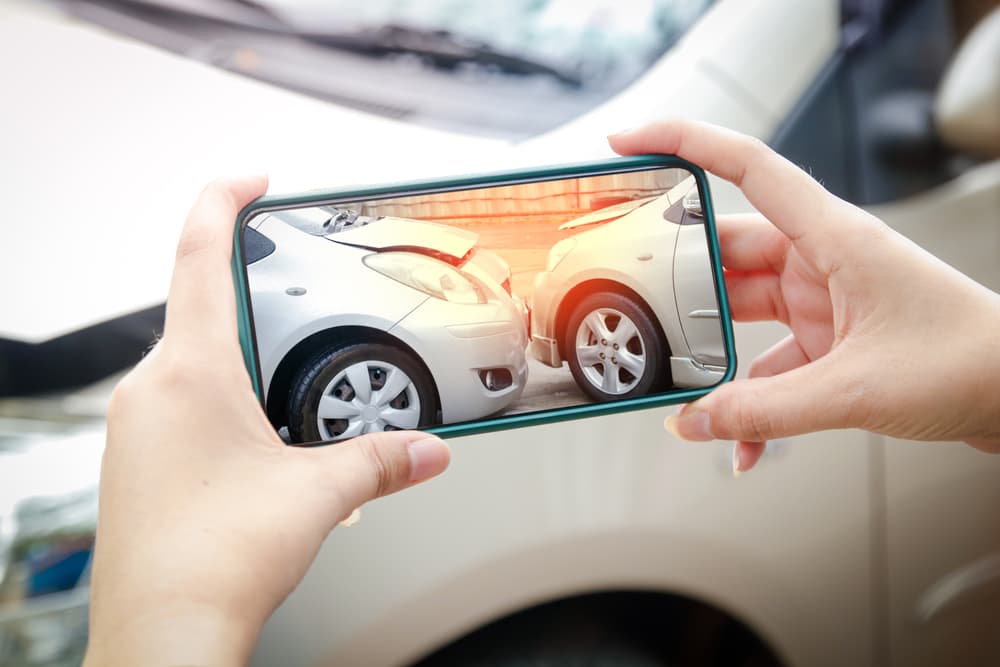
Photos and videos from the crash scene can be powerful evidence. They can show vehicle positions, skid marks, debris fields, traffic signals, weather conditions, visibility, road defects, construction zones, and the severity of the impact.
Important visual evidence may include:
- Photos taken by witnesses
- Police scene photos
- Dashcam footage
- Surveillance video from nearby businesses
- Doorbell camera footage
- Traffic camera footage
- News footage
- Photos of the vehicles before they are moved or repaired
This evidence can disappear quickly. Many surveillance systems overwrite video within days. Traffic footage may not be saved unless someone requests it quickly. That is why early investigation matters.
Vehicle Damage and Black Box Data
The vehicles involved in a fatal crash often tell part of the story. The location and severity of damage can help experts determine speed, direction of travel, point of impact, and whether one driver braked or tried to avoid the crash.
Many modern vehicles also contain event data recorders, often called black boxes. These systems may record information such as speed, braking, steering input, seat belt use, throttle position, and airbag deployment.
This data can be critical in cases involving speeding, sudden lane changes, rear end collisions, head on crashes, and disputed fault. If the vehicle is repaired, destroyed, sold, or released to an insurance company too soon, valuable evidence may be lost.
Witness Statements
Witnesses can help fill in the gaps. They may have seen the other driver speeding, running a red light, drifting between lanes, using a phone, driving aggressively, or appearing impaired.
In fatal car accident cases, witness testimony can be especially important because the deceased person cannot give their own account. A neutral witness can help challenge false claims made by the other driver or the insurance company.
However, witnesses can become harder to find over time. Their memories may also fade. Attorneys often move quickly to contact witnesses, record statements, and preserve their version of events before details are lost.
Cell Phone Records
Distracted driving is a major issue in serious and fatal crashes. Cell phone records may show whether a driver was texting, calling, using an app, or otherwise distracted around the time of the collision.
This evidence usually cannot be obtained just by asking. It may require subpoenas, litigation, or a formal discovery process. In rideshare, delivery, or commercial vehicle cases, app data may also show whether the driver was actively working, accepting a ride, navigating, or communicating through a platform at the time of the crash.
Toxicology Reports and DUI Evidence
If alcohol or drugs may have contributed to the crash, toxicology evidence becomes extremely important. Police may investigate whether the driver was impaired, and criminal charges may follow.
DUI related evidence may include:
- Breath test results
- Blood test results
- Officer observations
- Body camera footage
- Field sobriety test notes
- Bar or restaurant receipts
- Witness statements
- Prior driving history
Even if a driver is criminally charged, the family may still have a separate civil wrongful death claim. The criminal case and civil case are different, but evidence from one may affect the other.
Commercial Driver and Company Records
If the fatal crash involved a semi truck, delivery van, work vehicle, bus, or rideshare driver, the case may involve more than the individual driver.
Company records may show whether the driver was properly trained, whether the vehicle was inspected, whether the driver was working at the time, and whether the company ignored safety risks.
In truck accident cases, important evidence may include driver logs, maintenance records, inspection reports, hiring files, GPS data, dispatch records, and electronic logging device data. These records can help show whether fatigue, poor maintenance, unsafe scheduling, or company negligence played a role.
Medical, Funeral, and Financial Records
Evidence is not only about proving fault. It is also about proving damages.
In a California wrongful death claim, surviving family members may seek compensation for financial and non financial losses. Evidence may include funeral bills, burial expenses, income records, tax returns, employment benefits, household contributions, and proof of the support the deceased person provided.
For families, this part can feel painful. But it is necessary to show the full impact of the death. A person’s value is not limited to a paycheck. Their care, guidance, companionship, and daily role in the family matter too.
Expert Analysis
Fatal crash cases often require expert support. Accident reconstruction experts may analyze the crash scene, vehicle damage, speed, braking, and impact forces. Medical experts may explain cause of death. Economic experts may calculate lost financial support. Life care or family impact experts may help explain long term losses.
Expert analysis can be especially important when the insurance company disputes fault or argues that another factor caused the crash.
Why a Fatal Car Accident Lawyer Matters When Evidence Is at Risk
The most important evidence in a fatal crash case is often the evidence that disappears first. Video gets deleted. Vehicles get repaired. Witnesses move on. Companies lose or replace records. Insurance companies start building their defense immediately.
That is why families should speak with a fatal car accident lawyer as soon as possible after a deadly collision. Bojat Law Group helps families preserve evidence, investigate liability, identify every available insurance policy, and pursue full compensation under California law.
If your loved one was killed in a crash, call Bojat Law Group at (818) 877-4878 for a free consultation. You pay no fee unless the firm wins your case.