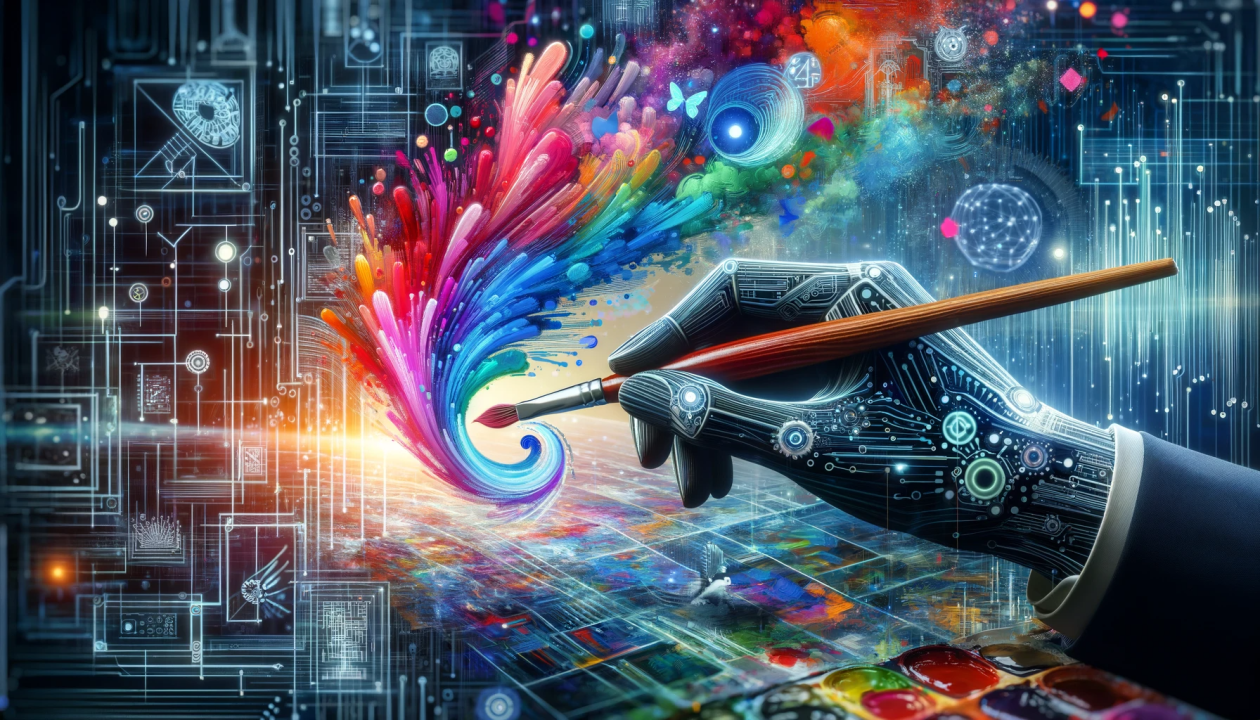
Artificial intelligence has revolutionized digital creativity, but the quality of its output depends on one critical factor: the prompt. Whether you’re creating artwork, marketing assets, product concepts, or social media visuals, learning how to write an effective ai prompt can dramatically improve the results you receive.
As AI models continue to advance, prompt engineering is becoming an essential skill for designers, marketers, entrepreneurs, and content creators. A well-structured prompt provides clear direction, helping AI understand exactly what you want to create while minimizing the need for repeated revisions.
Why AI Prompts Matter More Than Ever
Many people assume AI automatically understands every request. In reality, AI performs best when it receives detailed instructions.
A strong ai prompt acts like a creative brief. Instead of simply asking for “a mountain landscape,” you might describe the lighting, atmosphere, color palette, camera angle, artistic style, and mood. The additional context enables AI to generate visuals that align much more closely with your vision.
The more descriptive and intentional your prompt, the more professional and consistent the final output becomes.
How an AI Image Generator Interprets Your Prompt
Every prompt for ai image generator serves as a set of instructions that guides the model through the image creation process. Modern AI systems analyze keywords, context, artistic references, composition, textures, and object relationships before generating an image.
For example, these two prompts produce very different outcomes:
Basic Prompt
A futuristic city.
Detailed Prompt
A futuristic cyberpunk city at sunset, glowing neon streets, reflective skyscrapers, cinematic lighting, ultra-detailed architecture, realistic atmosphere, wide-angle composition, highly detailed, 8K.
Although both prompts describe the same subject, the second provides significantly more creative direction, resulting in richer and more visually compelling imagery.
Characteristics of the Best AI Prompts for Images
Creating exceptional visuals starts with writing clear and descriptive prompts. Many professional creators follow a structured format that includes several important elements.
The best ai prompts for images typically include:
- Main subject
- Environment or background
- Lighting conditions
- Artistic style
- Camera perspective
- Color palette
- Level of detail
- Desired mood
Combining these elements gives AI a much clearer understanding of the desired result while reducing ambiguity.
Tips for Writing a Better Prompt for AI Image Generator
If you want consistently high-quality outputs, keep these best practices in mind when writing a prompt for ai image generator:
Be Specific
Instead of writing:
A dog.
Try:
A golden retriever sitting beside a peaceful lake during sunrise, soft golden lighting, ultra-realistic photography, shallow depth of field.
Describe the Style
Mention artistic influences such as:
- Photorealistic
- Watercolor
- Oil painting
- Anime
- 3D render
- Minimalist illustration
- Cinematic concept art
Style descriptions help AI match the visual direction you’re aiming for.
Include Lighting
Lighting significantly impacts image quality.
Examples include:
- Golden hour
- Studio lighting
- Neon glow
- Soft ambient light
- Dramatic shadows
- Moonlight
- Volumetric lighting
These details often make images feel more realistic and visually engaging.
Common Mistakes When Creating AI Prompts
Even experienced users sometimes write prompts that are too vague.
Common mistakes include:
- Using very short descriptions
- Mixing unrelated artistic styles
- Forgetting to specify the desired mood
- Ignoring composition and camera angle
- Adding conflicting instructions
Avoiding these issues helps AI produce more accurate and polished results with fewer iterations.
How Prompt Engineering Is Changing Creative Workflows
Prompt engineering is quickly becoming an important skill across industries. Marketing teams use AI to generate advertising concepts, designers create rapid prototypes, educators build custom illustrations, and businesses develop branded visual content more efficiently than ever before.
Rather than replacing creativity, AI expands creative possibilities by allowing professionals to explore multiple ideas within minutes. As creators become more skilled at writing an effective ai prompt, they spend less time revising outputs and more time refining their ideas.
Conclusion
Artificial intelligence is making creative work faster and more accessible, but great results begin with great instructions. Learning how to write a clear ai prompt, understanding what makes the best ai prompts for images, and mastering the art of creating an effective prompt for ai image generator can significantly improve the quality of AI-generated content.
As AI technology continues to evolve, prompt writing will remain one of the most valuable skills for anyone looking to create professional-quality visuals, accelerate production, and unlock the full potential of artificial intelligence.