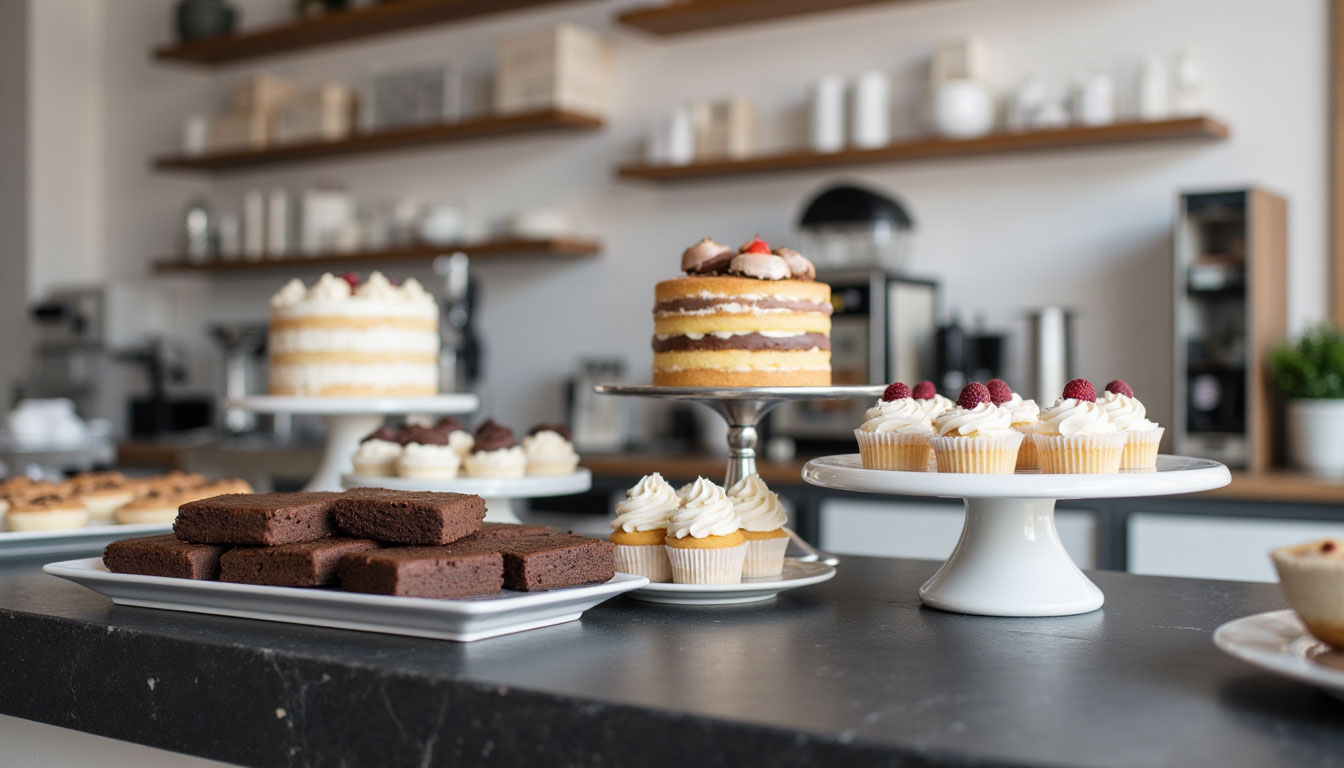
For café owners and restaurant operators across Australia, the decision between sourcing from dessert wholesale suppliers and producing desserts in-house is one that directly shapes labour costs, kitchen capability, product consistency, and ultimately, profitability. Both approaches have genuine merit in the right context, but the financial and operational realities of each deserve an honest assessment.
What In-House Baking Actually Costs
On the surface, baking your own desserts appears to offer control and a point of difference. Operators who bake in-house can customise their recipes, differentiate their brand, and serve products made on the premises. Those are real advantages for certain venue types.
The true cost of in-house baking, however, extends well beyond ingredients. Skilled baking staff in Australia earn between $71,000 and $80,000 annually on average, and that figure does not account for penalty rates, casual loadings, or the cost of covering absences. Labour typically accounts for 25 to 35 per cent of revenue in hospitality operations, and in-house baking adds to that pressure without necessarily increasing revenue in proportion.
Equipment is another significant consideration. Commercial ovens, mixers, proofing cabinets, and storage equipment require capital outlay and ongoing maintenance. Kitchen space allocated to baking is space not available for other food preparation or storage. For venues with limited kitchen footprints, this is a genuine constraint.
Consistency is also harder to achieve in-house than it appears. Staff turnover means recipes change over time. A product that performs brilliantly when made by an experienced baker may be inconsistent when that baker is replaced. For customers who return specifically for a dessert they loved, inconsistency erodes loyalty.
The Case for Dessert Wholesale Suppliers
Working with dessert wholesale suppliers addresses all of the above challenges in one supply arrangement. Products are produced at scale by specialist manufacturers, which delivers consistency that individual café kitchens cannot easily replicate. The same cheesecake from the same supplier tastes identical across every batch, every service, and every season.
Labour savings are direct and significant. When desserts arrive ready to display or with minimal preparation required, kitchen staff can focus on the core menu rather than on baking. For cafés where the chef or head cook is already managing a full kitchen brief, removing dessert production from their workload has a measurable impact on efficiency.
Cost predictability is another advantage. Dessert wholesale suppliers provide fixed per-unit pricing, which makes food cost calculations straightforward. There are no surprise ingredient price fluctuations, no waste from failed batches, and no cost overruns from the time and materials associated with in-house production.
What Quality Looks Like in the Wholesale Category
The concern operators most commonly raise about sourcing from dessert wholesale suppliers is quality. The assumption that wholesale means lower quality is outdated, particularly in the premium foodservice segment.
Priestley’s Gourmet Delights has been manufacturing premium desserts for Australian foodservice since 1996 and has built a customer base of over 27,000 venues nationally. Their product range covers everything from classic New York cheesecake and layered gateaux to individually portioned serves, slices, and the award-winning Grab & Go cookie range. These are products that appear on café cabinets across the country every day and are chosen by operators who care about quality.
The feedback from Priestley’s customers is consistent. Kerri Reynolds from Chapters Books Shop Café and Wine Bar describes the quality as “always of the highest standard” and notes that product rarely lasts long in their cabinet. That kind of commercial performance is the real measure of wholesale dessert quality.
When In-House Baking Still Makes Sense
There are venue types where in-house baking continues to make commercial sense. A patisserie whose entire brand identity is built around house-made product, or a restaurant with a pastry chef position integrated into a broader fine-dining kitchen, may find the investment worthwhile. In those cases, the baking is part of the customer proposition and can command pricing that offsets the cost.
For the majority of Australian cafés, QSRs, catering operators, and convenience foodservice venues, however, the economics point clearly toward sourcing from quality dessert wholesale suppliers. The labour savings, consistency gains, product range, and supply reliability that a good wholesale supplier provides are difficult to match through in-house production.
Making the Transition
Operators who are considering moving from in-house production to wholesale sourcing typically find the transition simpler than expected. The adjustment period is primarily about selecting the right products for the existing cabinet and customer profile, rather than a complex operational change.
Experienced dessert wholesale suppliers can guide that selection process based on venue type, trading volume, and customer demographics. Priestley’s Gourmet Delights works with operators directly through their sales team and national distributor network to identify the right product mix for each business.
To explore Priestley’s full wholesale dessert range and discuss what is right for your business, visit Priestley’s Gourmet Delights.