Exterior painting is more than a cosmetic enhancement; it is a critical investment in the protection, longevity, and aesthetic appeal of a property. A well-executed exterior paint job improves curb appeal, shields surfaces from weather-related damage, and contributes to the overall value and maintenance of residential and commercial buildings. Unlike interior painting, exterior painting must withstand the challenges of varying climates, UV exposure, moisture, temperature fluctuations, and environmental pollutants. As such, achieving a professional and long-lasting finish requires careful planning, proper surface preparation, high-quality materials, and skilled application. Understanding these elements, along with common challenges, techniques, and maintenance considerations, provides a comprehensive view of the exterior painting process and its long-term benefits.
The success of an exterior painting project begins with proper preparation and material selection. Different surfaces, including wood, brick, stucco, concrete, and metal, require specific primers, paints, and application methods to achieve optimal adhesion and durability. Surface preparation is arguably the most important step, as it determines how well the paint adheres and how long the finish will last. This process may include cleaning the exterior walls to remove dirt, mildew, and chalking, scraping and sanding peeling paint, repairing cracks or damaged areas, caulking joints, and applying appropriate primers. Neglecting preparation can result in premature paint failure, uneven coverage, and costly repairs, emphasizing the importance of thorough groundwork before any paint is applied.
Understanding Exterior Painting
Exterior painting involves more than applying color to a building’s surface; it is a comprehensive process aimed at protection, longevity, and visual appeal. High-quality exterior paint provides a barrier against weather conditions, including rain, snow, wind, and sun exposure, which can degrade unprotected surfaces over time. Paint also helps prevent moisture infiltration that can lead to rot, mold, or corrosion, especially on wood and metal structures. Additionally, exterior paint contributes to energy efficiency by reflecting UV rays, reducing heat absorption, and potentially lowering cooling costs in warmer climates.
Choosing the right type of paint is crucial for exterior applications. Acrylic latex paints are popular for their flexibility, durability, and resistance to fading, cracking, and peeling. Oil-based paints may be preferred for specific wood surfaces or trim due to their adhesion and smooth finish, but they require longer drying times and more intensive cleanup. In addition to the paint type, selecting appropriate finishes, such as satin, semi-gloss, or flat, affects not only the aesthetic outcome but also durability, maintenance, and resistance to dirt and weathering.
Planning and Preparation for Exterior Painting
A successful exterior painting project starts with detailed planning. Assessing the condition of the building’s exterior surfaces helps identify areas that need repair, such as rotting wood, cracked stucco, or corroded metal. This evaluation guides the selection of primers, paints, and application methods to ensure proper adhesion and longevity. Measuring the surface area accurately allows for estimating the required amount of paint, primer, and other materials, avoiding delays and cost overruns during the project.
Surface preparation is an essential component of exterior painting. Cleaning the walls to remove dirt, dust, mildew, and other contaminants ensures a clean surface for paint adhesion. Pressure washing is commonly used to clean large areas efficiently, but care must be taken to avoid damaging surfaces. Scraping and sanding peeling or loose paint improves adhesion for new coats, while caulking cracks and gaps prevents moisture penetration and enhances the smoothness of the finish. Applying a suitable primer not only improves paint adhesion but also provides a uniform base color, especially when covering stains or transitioning between colors. Thorough preparation is a critical factor in achieving a professional, long-lasting exterior paint finish.
Techniques and Application Methods
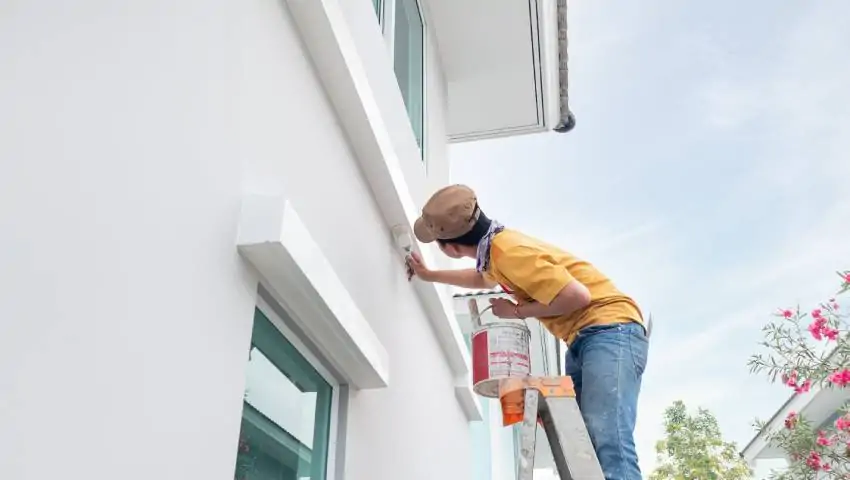
Exterior painting requires a combination of techniques and tools to achieve a uniform, durable finish. Brushes, rollers, and spray equipment each have specific advantages depending on the surface type, size, and desired finish. Brushes are ideal for trim, corners, and small details, providing precision and control, while rollers are effective for large flat surfaces, ensuring even coverage. Spray equipment can accelerate the painting process for expansive surfaces but requires skill to avoid overspray and maintain consistent thickness.
Applying multiple thin coats rather than a single thick coat is a key technique for long-lasting results. Thin coats dry more evenly, adhere better, and reduce the risk of cracking or blistering. Allowing sufficient drying time between coats ensures optimal adhesion and finish quality. Color selection and layering can also impact the visual outcome; lighter colors may require fewer coats over primed surfaces, whereas darker colors may need additional layers to achieve uniformity. Attention to detail during application, including proper cutting in at edges and maintaining consistent pressure, contributes significantly to the overall quality and durability of exterior paint.
Benefits of Exterior Painting
Exterior painting offers numerous benefits beyond mere aesthetics. A professionally painted exterior protects the building from environmental damage, including sun, rain, wind, and pollutants, reducing the risk of surface deterioration and structural issues. Paint acts as a barrier that prevents moisture infiltration, which can cause wood rot, mold growth, or rust, particularly in regions with high humidity or rainfall. Regular painting also allows for early detection and repair of surface damage, preventing costly structural repairs in the future.
From an aesthetic perspective, exterior painting enhances curb appeal, giving the building a fresh, attractive appearance. Color choices can reflect personal style, complement architectural features, and improve neighborhood cohesion. A well-maintained exterior conveys a sense of care and pride, which can increase property value and appeal to potential buyers or tenants. Furthermore, modern exterior paints often include additives that improve durability, resist fading, and facilitate cleaning, reducing maintenance efforts and prolonging the life of the finish.
Challenges in Exterior Painting
Despite its advantages, exterior painting presents several challenges that must be addressed to achieve a successful outcome. Weather conditions are a primary concern, as rain, high humidity, extreme temperatures, or strong winds can affect paint adhesion, drying time, and overall finish quality. Scheduling the project during optimal weather windows is essential to prevent premature paint failure.
Surface imperfections, such as cracks, rot, or uneven textures, require careful repair and preparation before painting. Failure to address these issues can result in visible flaws, uneven coverage, and reduced durability. Additionally, working on multi-story buildings or hard-to-reach areas poses logistical challenges, often necessitating scaffolding, ladders, or specialized equipment to ensure safety and efficiency. Color consistency, proper primer selection, and compatibility between different types of paints or coatings also require attention to detail and expertise. Addressing these challenges effectively ensures a high-quality, long-lasting exterior paint finish.
Maintenance and Longevity
Exterior painting is not a one-time task but part of an ongoing maintenance strategy. Regular inspections, cleaning, and touch-ups help maintain the appearance and protective qualities of painted surfaces. Washing walls to remove dirt, mildew, and pollutants prevents buildup that can compromise the paint’s durability. Addressing small cracks, chips, or peeling areas promptly prevents further damage and prolongs the life of the paint.
High-quality paints combined with proper surface preparation and application can extend the interval between repainting to ten years or more, depending on environmental conditions and surface type. Routine maintenance reduces long-term costs, preserves curb appeal, and ensures the building remains protected from environmental stressors. By integrating exterior painting into a broader property maintenance plan, homeowners and facility managers can safeguard their investment, enhance the property’s value, and enjoy the benefits of a visually appealing and durable exterior.
Conclusion
Exterior painting is a vital component of property maintenance, combining aesthetics, protection, and long-term value. A successful exterior paint project requires careful planning, thorough surface preparation, appropriate material selection, skilled application, and ongoing maintenance. Properly executed exterior painting protects surfaces from weather-related damage, prevents moisture infiltration, enhances curb appeal, and contributes to the overall lifespan and value of a property.
The process demands attention to detail, including evaluating surface conditions, selecting compatible paints and primers, using the correct application techniques, and considering environmental factors. Addressing challenges such as weather variability, surface imperfections, and accessibility ensures a professional and long-lasting result. Through careful execution and regular upkeep, exterior painting provides both immediate visual benefits and long-term protection, making it an essential investment for homeowners, property managers, and business owners who seek to preserve and enhance the appearance, functionality, and value of their properties.