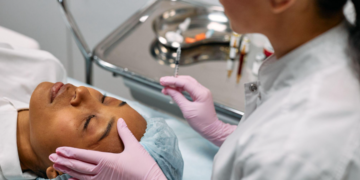
Nursing is a profession defined by dedication, compassion, and unwavering commitment to patient care. It demands far more than technical expertise, requiring individuals to balance emotional sensitivity with clinical precision. Nurses serve as the backbone of healthcare systems, offering comfort, administering treatment, and advocating for the well-being of those in need.
As the demands of modern healthcare continue to evolve, aspiring nurses must cultivate a diverse set of competencies that prepare them to deliver exceptional care. Developing these essential skills not only ensures professional success but also empowers nurses to make a meaningful difference in the lives of their patients.
Building a Strong Academic Foundation
A successful nursing career begins with a solid educational foundation that prepares aspiring professionals for the realities of patient care. Before entering clinical environments, nurses must gain a thorough understanding of medical principles, ethical responsibilities, and patient-centered practices. Structured learning strengthens technical competence while instilling confidence, discipline, and professionalism. This preparation ensures that future nurses are equipped to navigate complex healthcare settings with clarity and compassion.
Choosing accredited nursing programs is an essential step in this journey, as they provide comprehensive instruction aligned with established professional standards. These programs combine theoretical knowledge with practical experience, enabling students to develop the expertise required to deliver safe and effective care. A well-designed curriculum also fosters analytical thinking, adaptability, and a strong sense of responsibility, all of which are indispensable in modern nursing.
Institutions that emphasize academic rigor alongside student support play a vital role in nurturing these qualities. William Paterson University’s online programs provide a supportive and challenging environment that gives students the skills needed for success. With a broad portfolio of flexible and accessible options, these programs enable learners to make a smart investment in their future while balancing their academic and personal commitments.
Effective Communication Skills
Clear and compassionate communication lies at the heart of exceptional nursing practice. Nurses interact daily with patients, families, physicians, and fellow healthcare professionals, making the ability to convey information accurately and empathetically indispensable. Effective communication builds trust, reduces misunderstandings, and enhances the overall patient experience.
Active listening is equally important, as it allows nurses to understand patient concerns and respond appropriately. Whether explaining treatment plans or offering reassurance during difficult moments, strong communication skills foster confidence and emotional comfort. By mastering both verbal and nonverbal communication, nurses ensure that patients feel respected, informed, and cared for throughout their healthcare journey.
Critical Thinking and Sound Judgment
Nurses frequently encounter situations that require quick, informed decision-making. Critical thinking enables them to assess patient conditions, interpret medical information, and determine appropriate courses of action. This skill ensures that nurses can respond effectively to changes in a patient’s health and provide timely care.
Sound judgment also involves prioritizing tasks and evaluating potential risks in demanding environments. By applying logic and clinical insight, nurses safeguard patient safety and contribute to positive health outcomes. Continuous learning and practical experience further refine these abilities, empowering nurses to make confident and responsible decisions in complex scenarios.
Emotional Intelligence and Compassion
Emotional intelligence is fundamental to building meaningful connections with patients and colleagues. Nurses often care for individuals experiencing pain, fear, or uncertainty, requiring empathy and understanding in every interaction. Compassion allows them to provide comfort while maintaining professionalism and composure.
Self-awareness and emotional regulation help nurses manage stress and respond thoughtfully in challenging situations. By recognizing and addressing the emotional needs of others, they foster trust and create a supportive atmosphere. Emotional intelligence not only enhances patient care but also strengthens teamwork and promotes a positive work environment.
Attention to Detail and Accuracy
Precision is essential in nursing, where even minor oversights can have serious consequences. Attention to detail ensures the accurate administration of medications, proper documentation, and adherence to treatment protocols. This skill plays a critical role in maintaining patient safety and preventing errors.
Careful observation also enables nurses to detect subtle changes in a patient’s condition. Early recognition of symptoms allows for timely intervention, improving outcomes and enhancing the quality of care. Through diligence and consistency, nurses uphold the highest standards of professionalism and reliability.
Time Management and Organizational Skills
Balancing multiple responsibilities is a daily reality for nurses. Strong time management and organizational abilities enable them to prioritize tasks, meet deadlines, and maintain efficiency without compromising patient care. These skills are essential for managing workloads in fast-paced clinical settings.
An effective organization ensures that patient information, schedules, and treatments are handled accurately and promptly. By allocating time wisely and maintaining a structured approach to their duties, nurses enhance productivity while reducing stress. Mastery of these skills supports both professional performance and personal well-being.
Commitment to Lifelong Learning
The healthcare field continues to advance, making continuous education essential for nursing success. A commitment to lifelong learning enables nurses to stay informed about evolving practices, emerging technologies, and improvements in patient care. Ongoing professional development strengthens competence and enhances career opportunities.