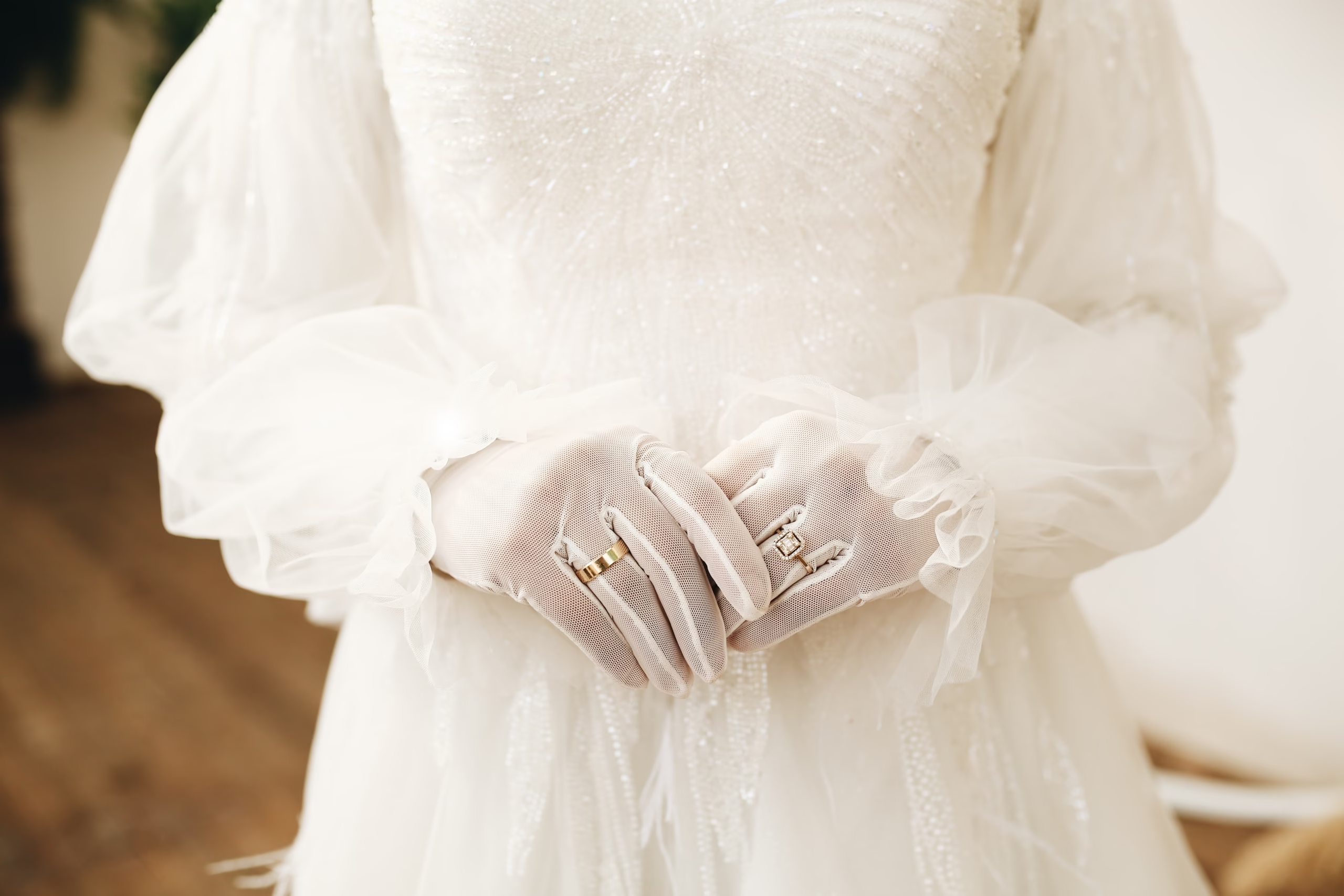
What if the traditional diamond engagement ring is no longer the only symbol of love and commitment? For decades, diamonds dominated the wedding jewelry market, marketed as the ultimate expression of devotion. Yet today, engaged couples are exploring a wider range of gemstones that reflect personal values, aesthetic preferences, and practical considerations. This shift represents a meaningful change in how people approach one of life’s most significant purchases.
The Rise of Personal Expression in Engagement Jewelry
Modern couples prioritize authenticity over tradition in ways previous generations often did not. Wedding jewelry has become an extension of individual identity rather than a checkbox on a conventional list. Gemstone selection now centers on what resonates personally with the couple, not on what society expects. This emphasis on personal expression has opened doors to sapphires, emeralds, moissanite, and countless other beautiful options that were previously overlooked or considered unconventional.
The shift reflects broader cultural changes about individuality and self-determination. When celebrities and influencers display non-traditional engagement rings, it normalizes alternatives for everyday people. Social media platforms have amplified visibility of unique ring designs, exposing audiences to possibilities they might never have encountered through traditional jewelry stores. As conversations around weddings have become more inclusive and flexible, gemstone choices have followed suit.
Ethical and Environmental Concerns Drive Consumer Decisions
Many engaged couples now research the origins and production methods of their gemstones before making purchases. Diamond mining has long been associated with environmental disruption, labor concerns, and complex supply chain issues. Lab-created diamonds and alternative gemstones appeal to environmentally conscious consumers who want their wedding jewelry to reflect their values. This ethical dimension has become a primary factor in decision-making, particularly among younger buyers.
Alternative gemstones often come with transparent sourcing information and lower environmental footprints than mined diamonds. Moissanite, for example, is created in laboratories under controlled conditions, eliminating many of the environmental impacts associated with large-scale mining operations. Emeralds, sapphires, and other precious stones sourced responsibly from established mines also offer ethical alternatives. Couples who prioritize responsible sourcing often rely on montana sapphires, which are domestically mined under regulated conditions and carry transparent origin stories that align with contemporary ethical values. For couples who view their purchase as a reflection of their principles, these options provide genuine peace of mind alongside beautiful jewelry.
Cost Considerations Make Quality Gemstones More Accessible
Budget plays a significant role in gemstone selection, and alternative stones often provide superior value without compromising quality or appearance. A high-quality moissanite or lab-created diamond costs considerably less than a mined diamond of comparable size and clarity. This price difference allows couples to allocate resources toward other aspects of their wedding or future together. For many people, the financial savings represent an opportunity to prioritize what truly matters.
Beyond engagement rings, alternative gemstones make fine jewelry more accessible across income levels. A beautiful sapphire or ruby center stone can deliver visual impact and durability at a fraction of diamond pricing. Couples can invest in quality settings and complementary pieces while staying within realistic budgets. This democratization of fine jewelry has expanded the market to include people who might otherwise feel priced out of engagement ring purchases entirely.
Durability and Practicality of Alternative Gemstones
Concerns about durability should not deter couples from considering alternatives, as many gemstones prove remarkably resilient for everyday wear. Sapphires and rubies, both varieties of corundum, rank only slightly below diamonds on the Mohs hardness scale and have been used in jewelry for centuries without issue. Moissanite exceeds diamond in hardness and resists scratching and clouding under normal conditions. These gemstones have proven track records of longevity when properly cared for, making them practical choices for heirloom-quality rings.
The practical benefits extend to maintenance and care requirements as well. Some alternative gemstones require less frequent professional cleaning than diamonds, which can accumulate oils and become dull over time. Colored gemstones also offer the advantage of more forgiving appearances regarding minor inclusions, whereas diamond clarity becomes a significant cost factor. For couples seeking low-maintenance jewelry that maintains its appearance with simple home care, alternatives often deliver superior results.
Aesthetic Appeal and Emotional Connection
Color plays a powerful role in why couples choose alternative gemstones for their engagement rings. While diamonds are prized for colorlessness, many people find the rich hues of sapphires, emeralds, or rubies more emotionally resonant. A deep blue sapphire might connect to a meaningful memory, while an emerald could represent renewal or growth. These colored stones allow couples to infuse personal meaning into their jewelry in ways that clear stones cannot replicate.
The visual distinctiveness of colored gemstones also appeals to those seeking rings that stand out from conventional designs. A colored center stone immediately communicates individuality and breaks from tradition in an elegant way. Jewelers have responded to this trend by creating increasingly sophisticated settings that showcase alternative gemstones beautifully. The combination of stunning color, unique appearance, and personal significance makes these stones emotionally meaningful in ways that transcend their monetary value.
Conclusion
The shift toward alternative wedding gemstones reflects evolving priorities among engaged couples who value personal expression, ethical responsibility, financial practicality, and emotional connection. What was once considered unconventional or risky is now recognized as a thoughtful, intentional choice that aligns with contemporary values. Whether motivated by environmental concerns, budget constraints, or aesthetic preferences, couples increasingly find that the right engagement stone is one that feels authentic to their relationship. As this trend continues, the jewelry industry adapts to meet diverse needs and expectations, confirming that there is no single path to selecting meaningful wedding gemstones.